A Gentle Light: The Table That Holds Warmth
In winter, light slows. It moves gently across a room, settling on the surfaces that gather us—on a flame, a bowl, a piece of metal warmed by the hand.
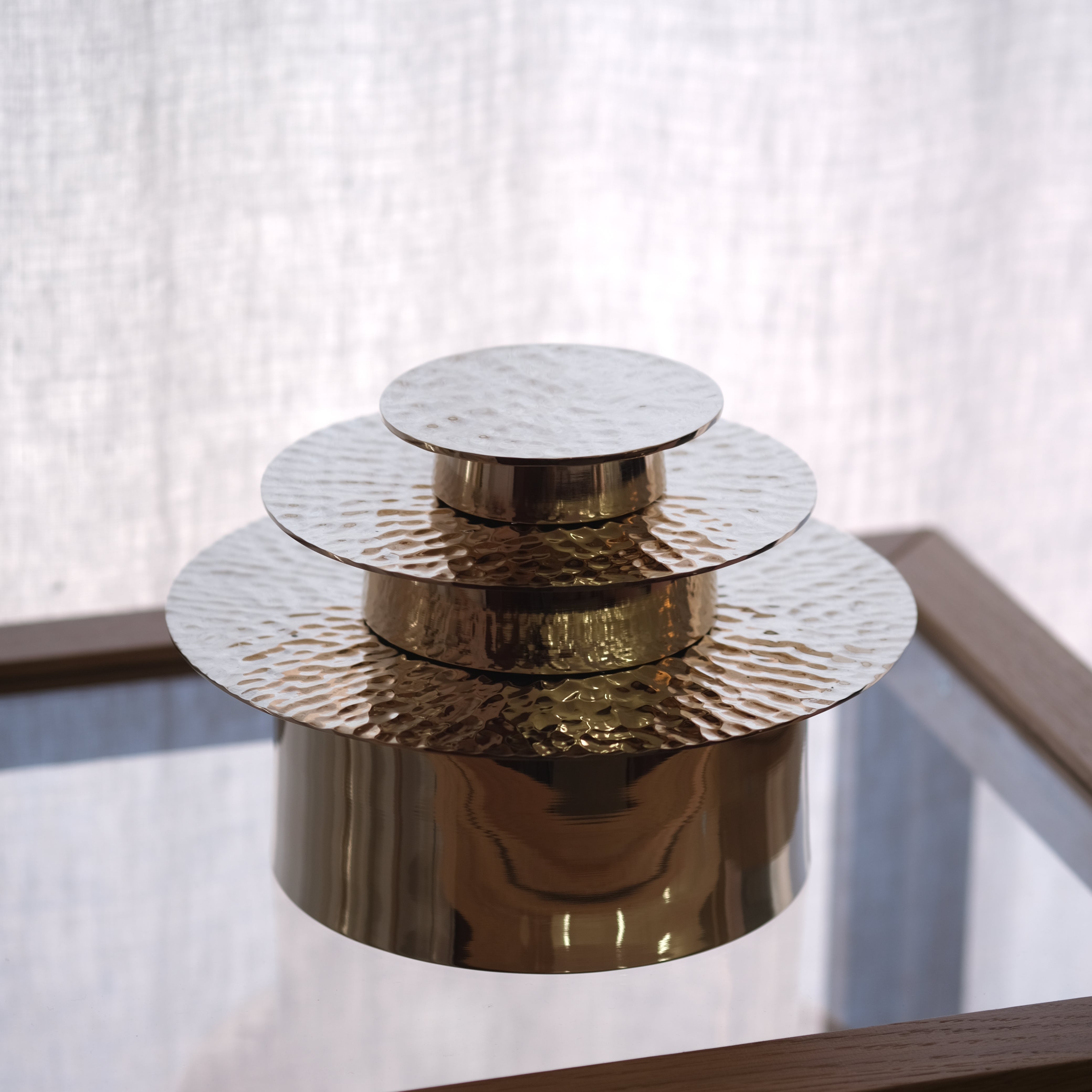
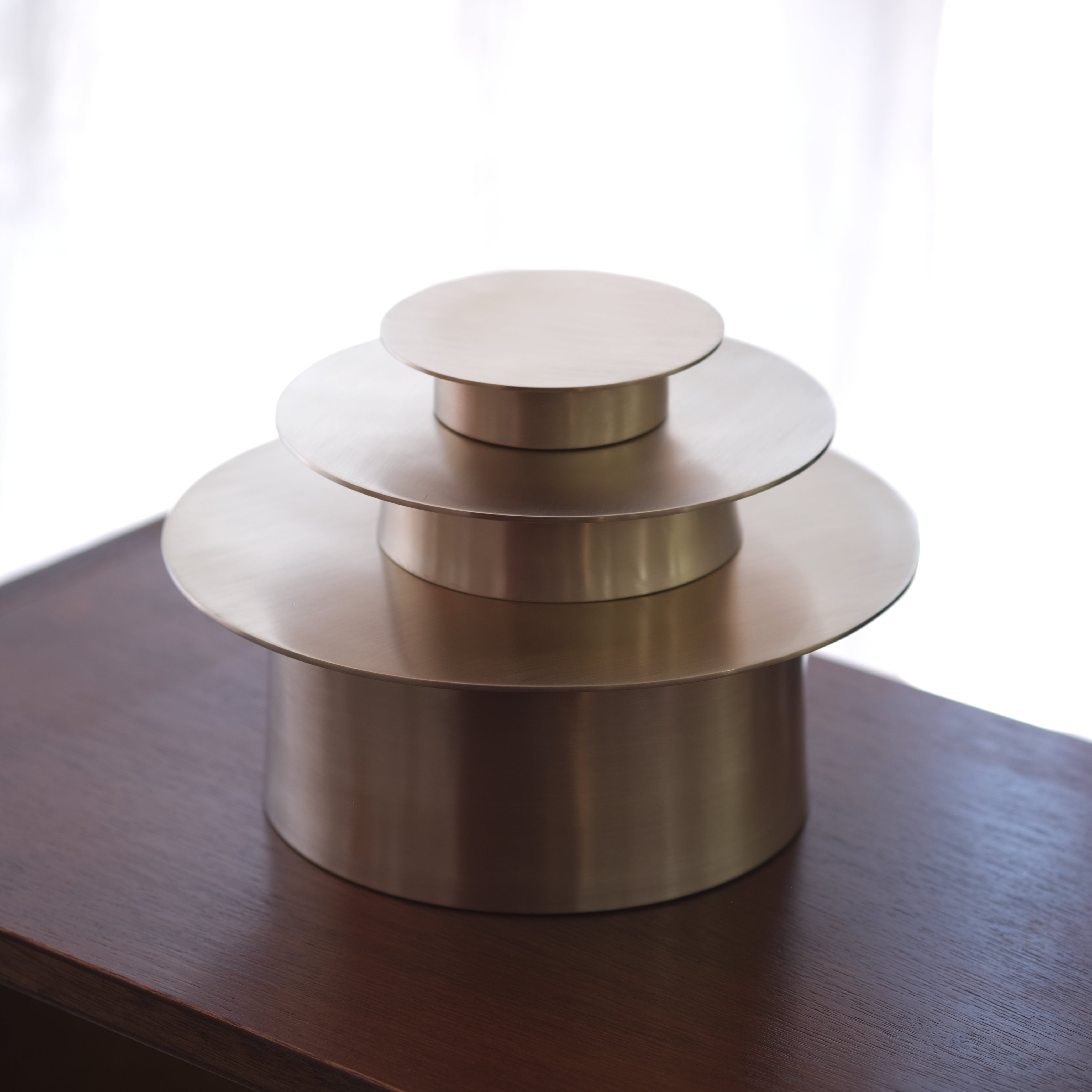
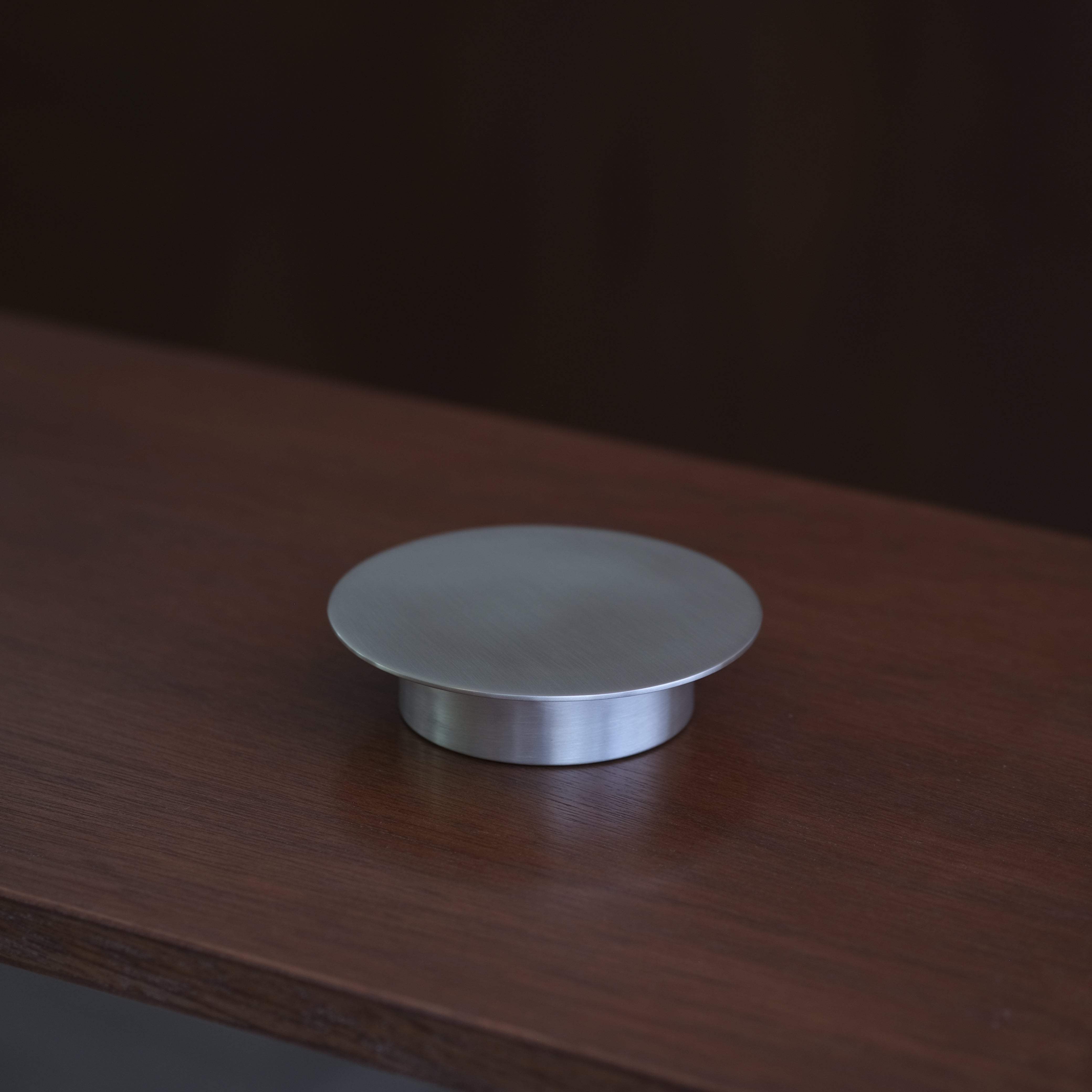
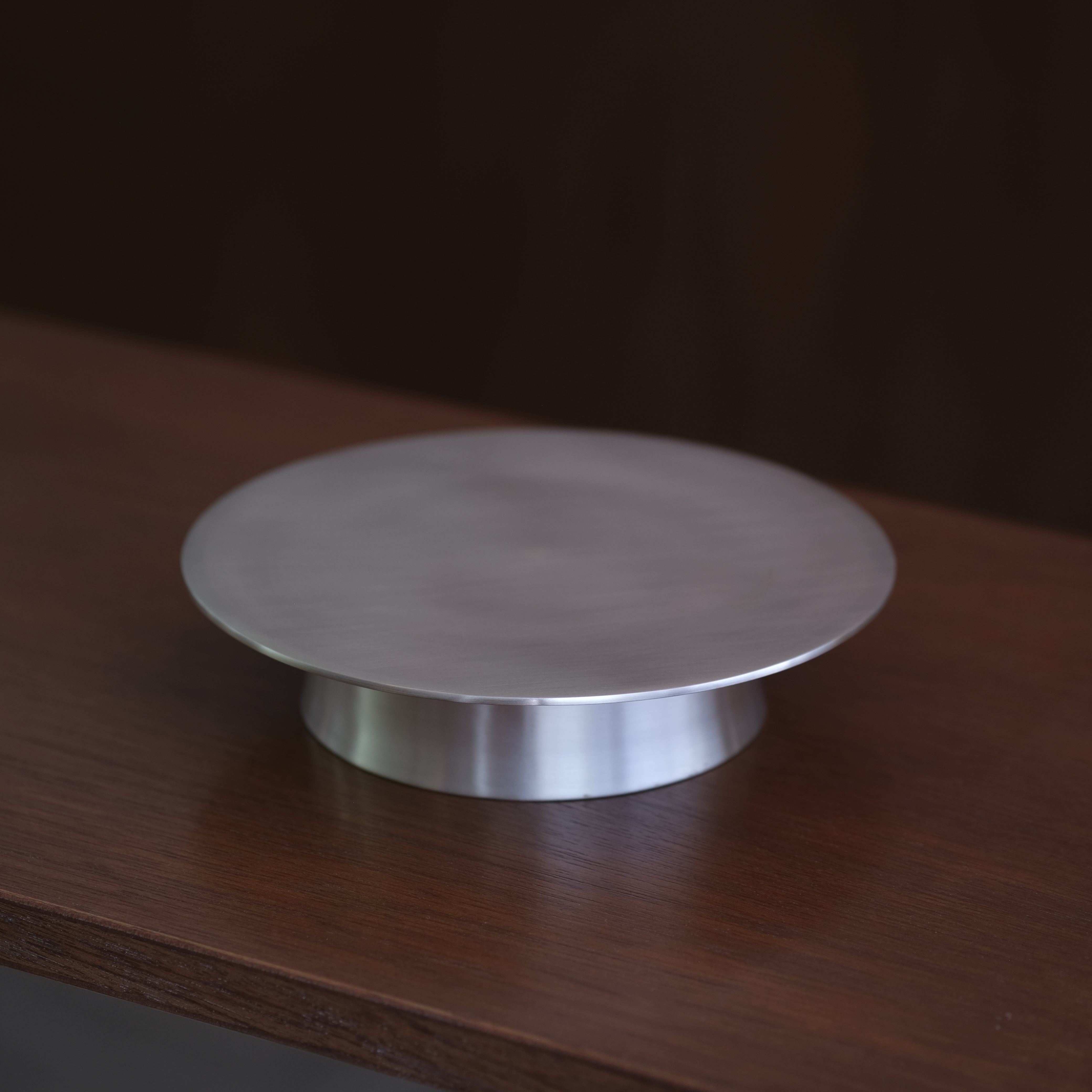
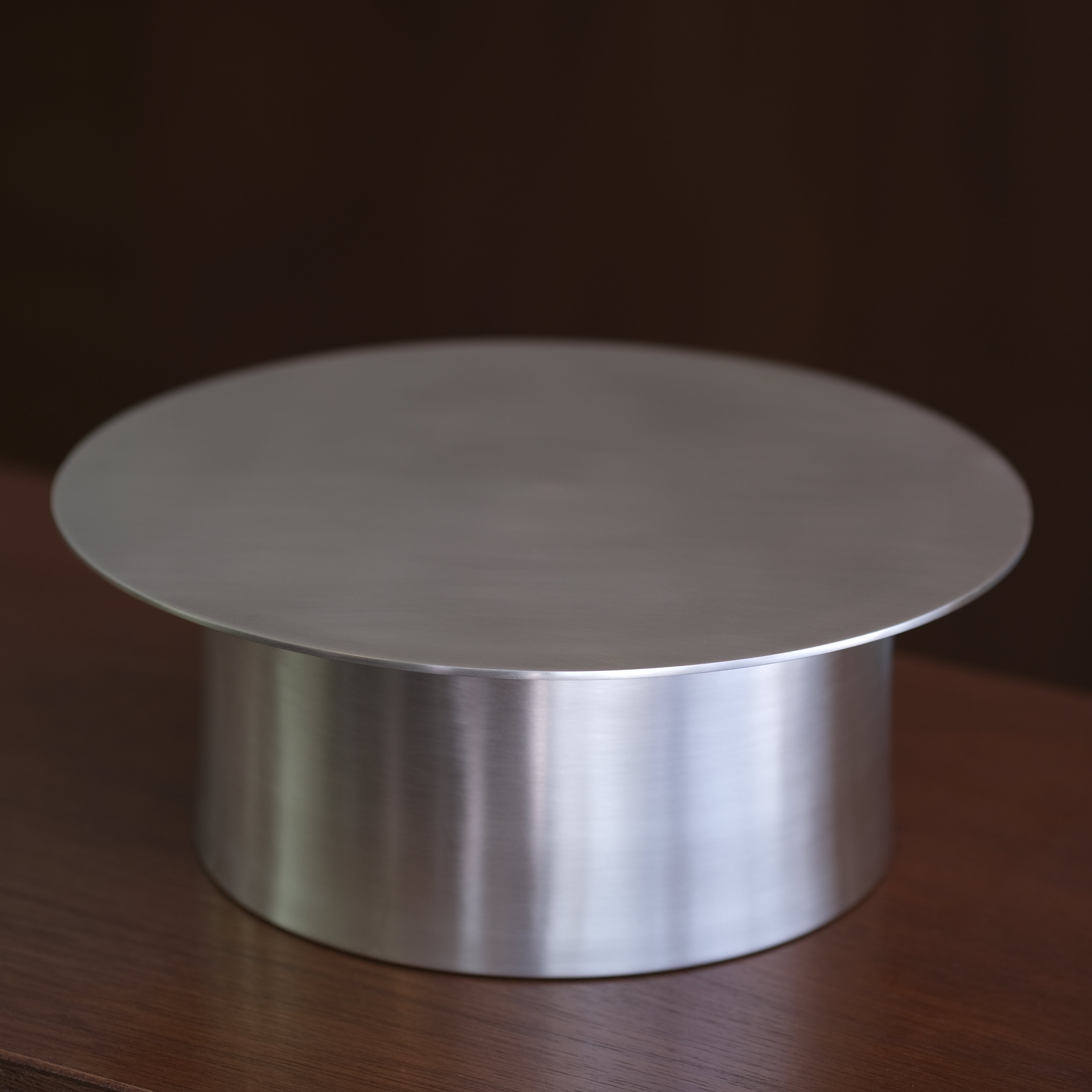
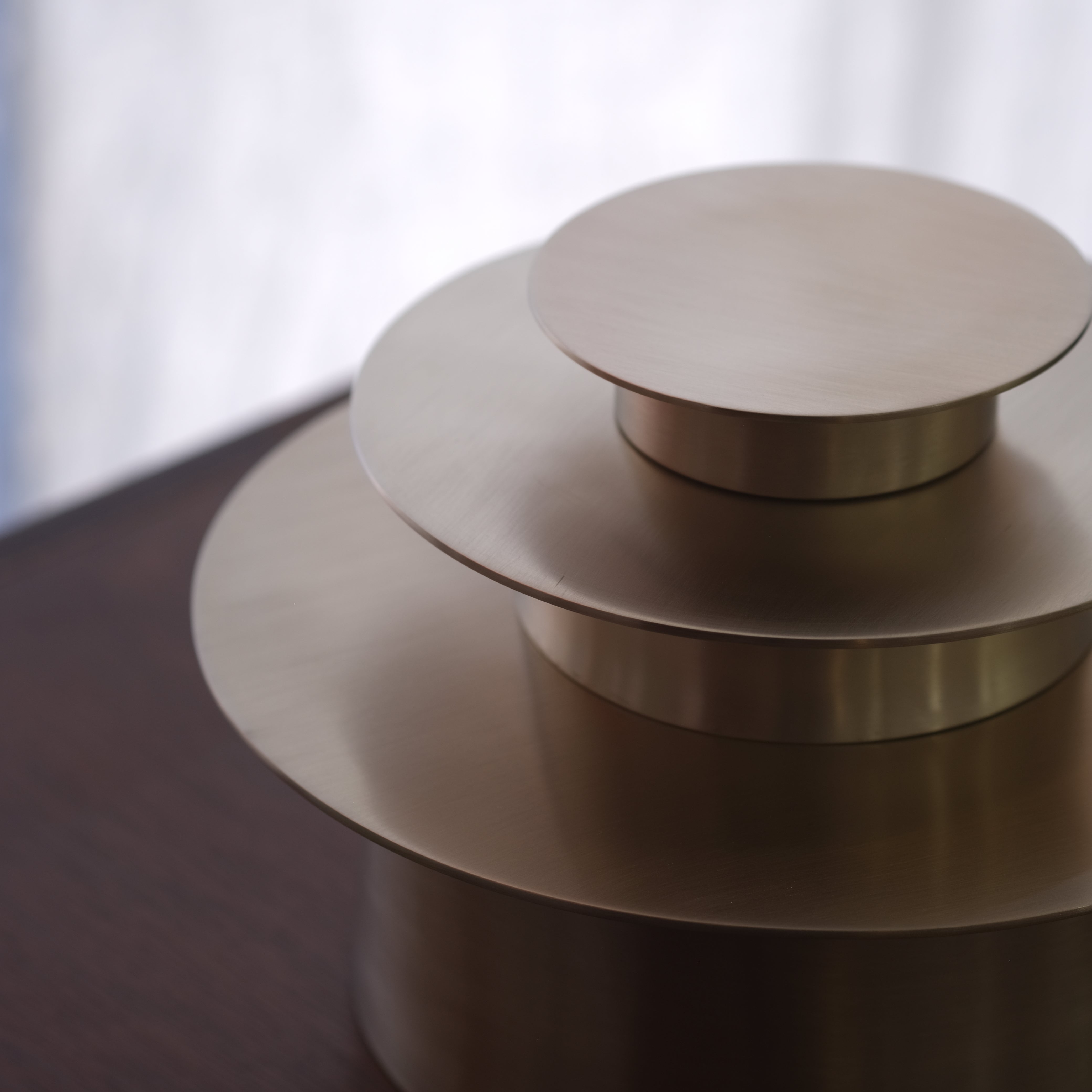
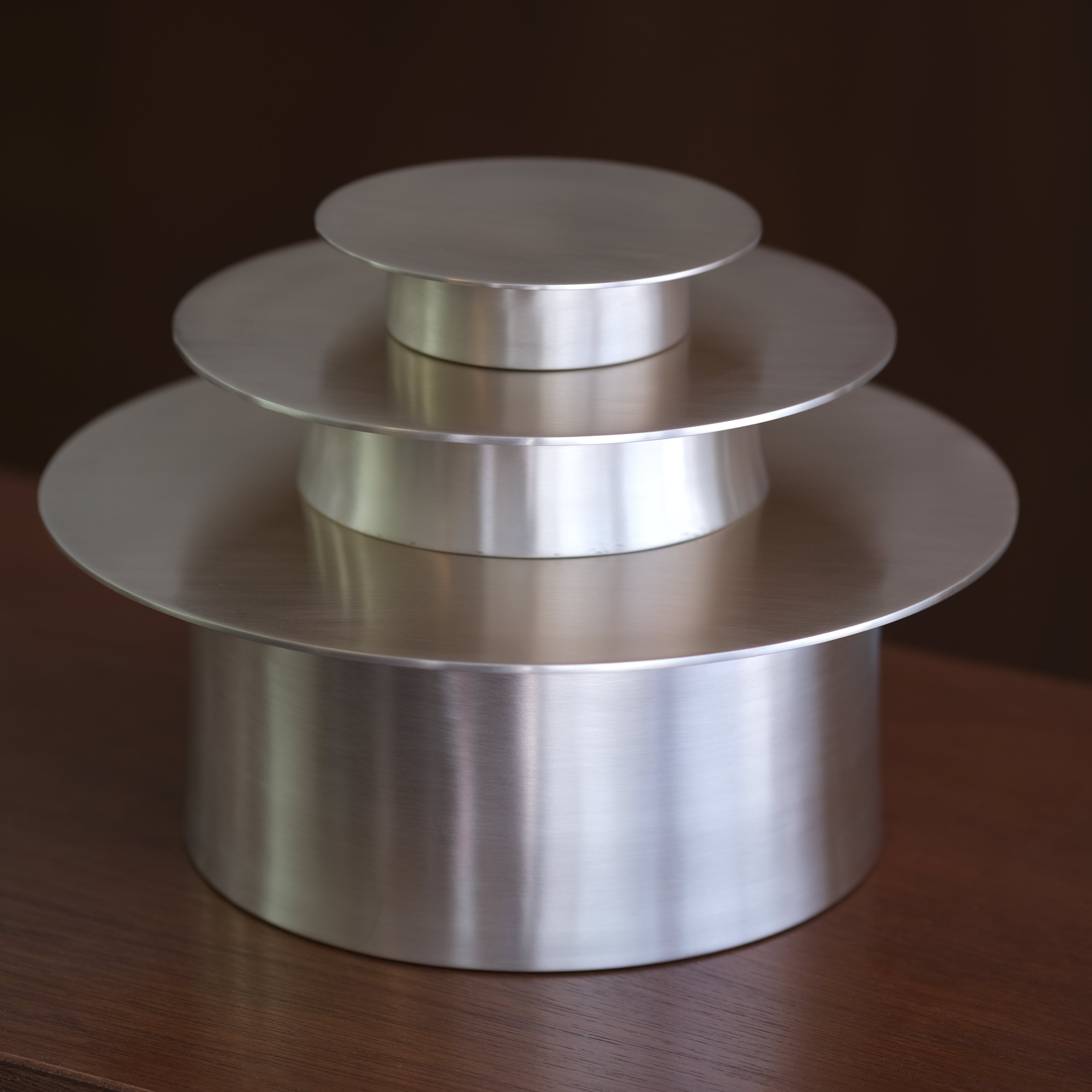
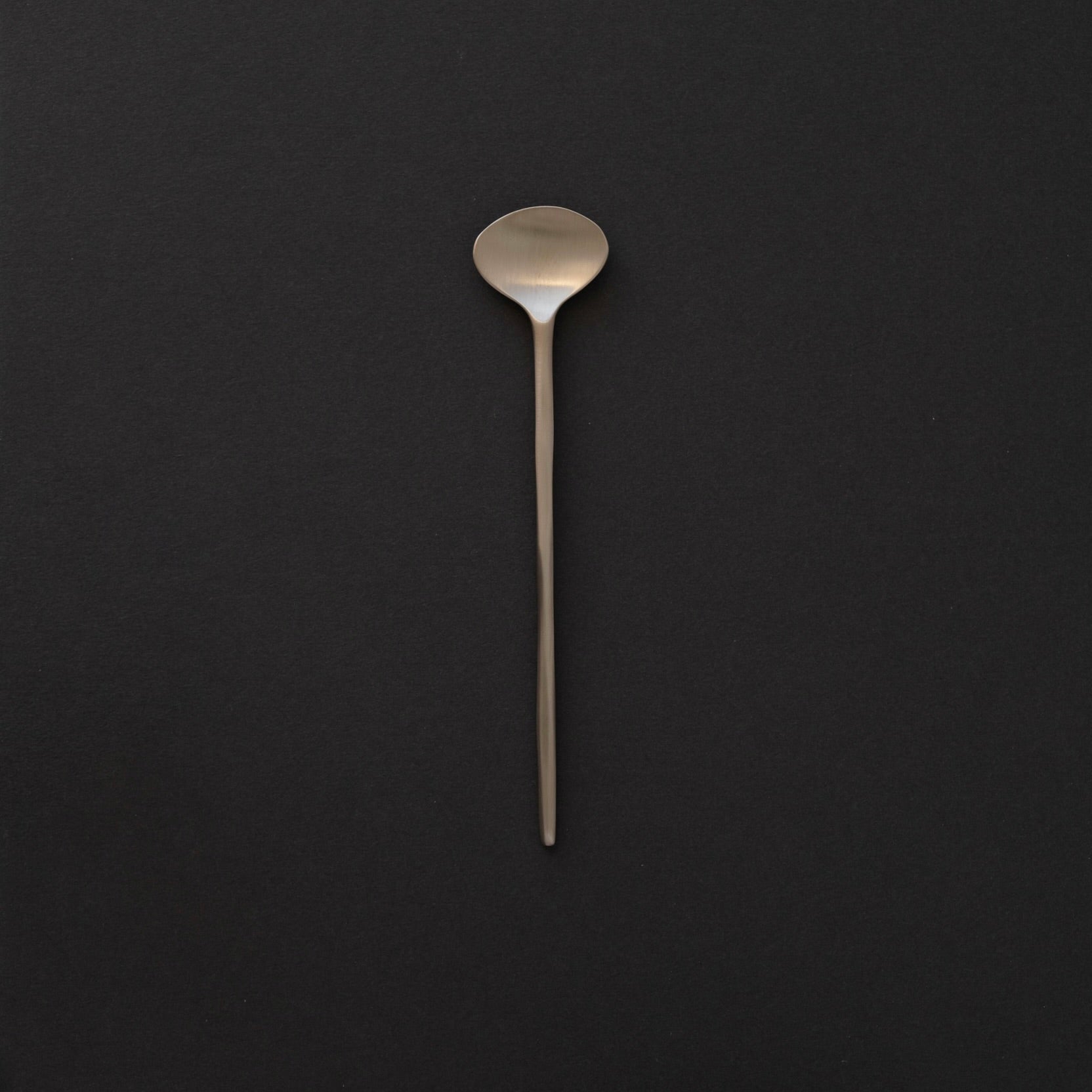
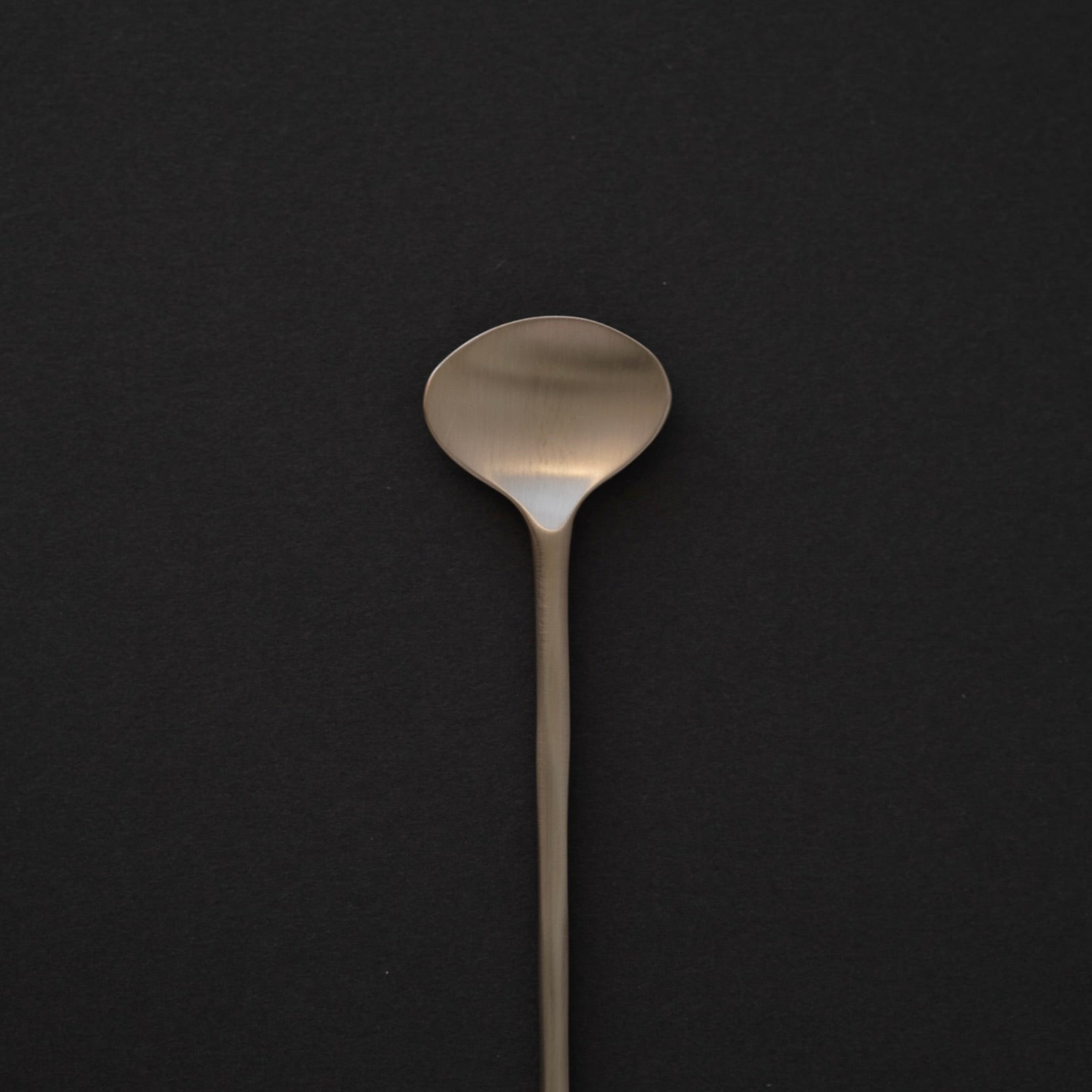
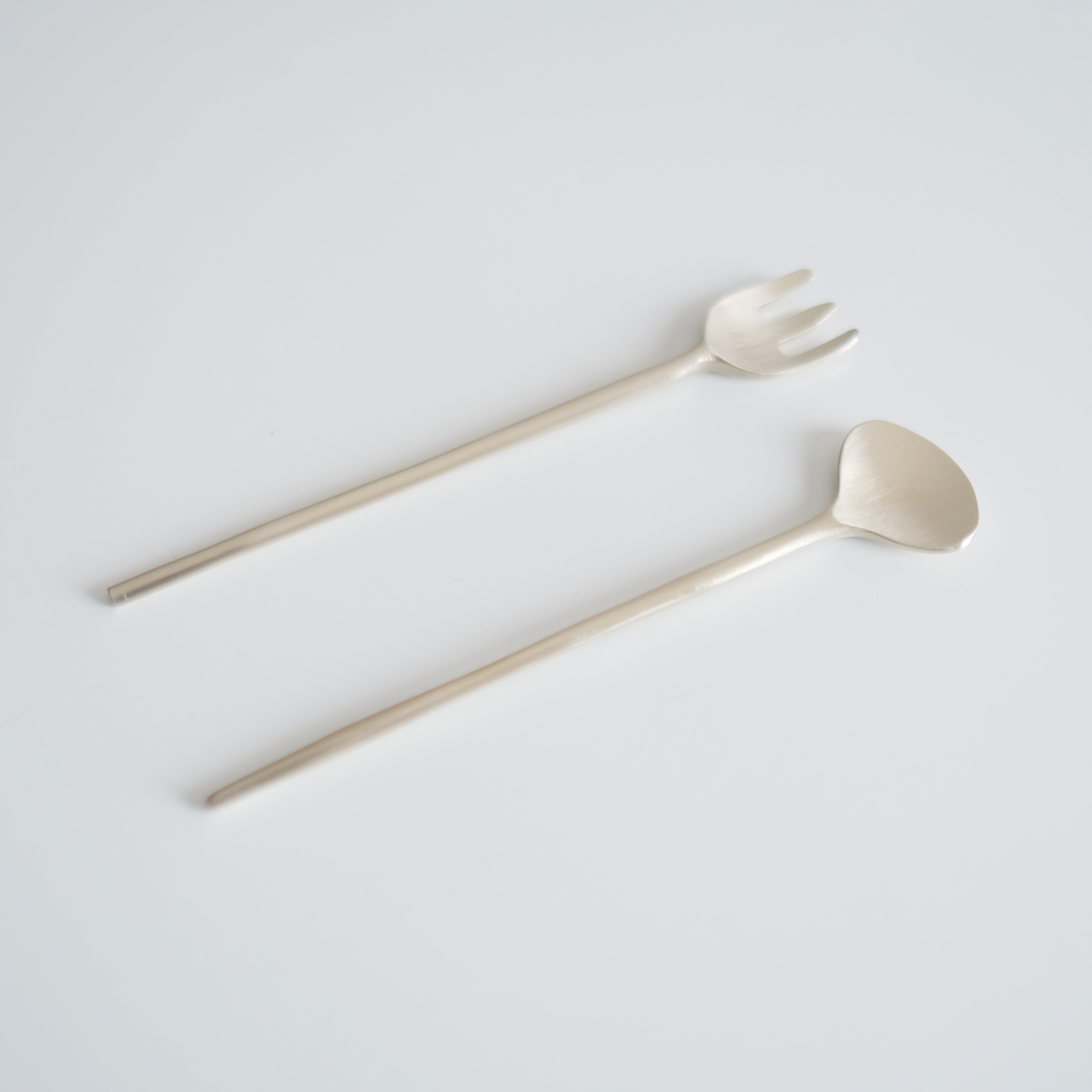
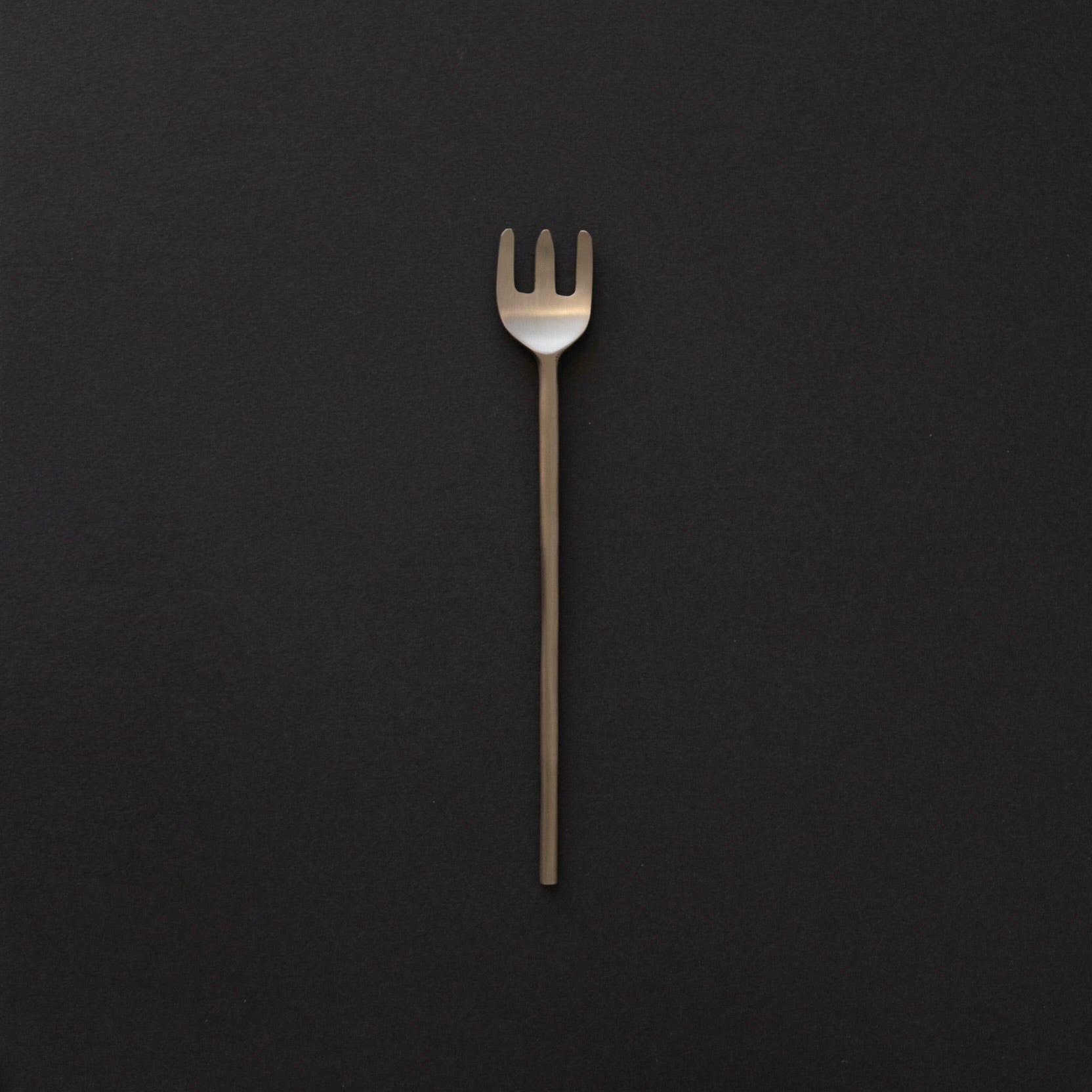
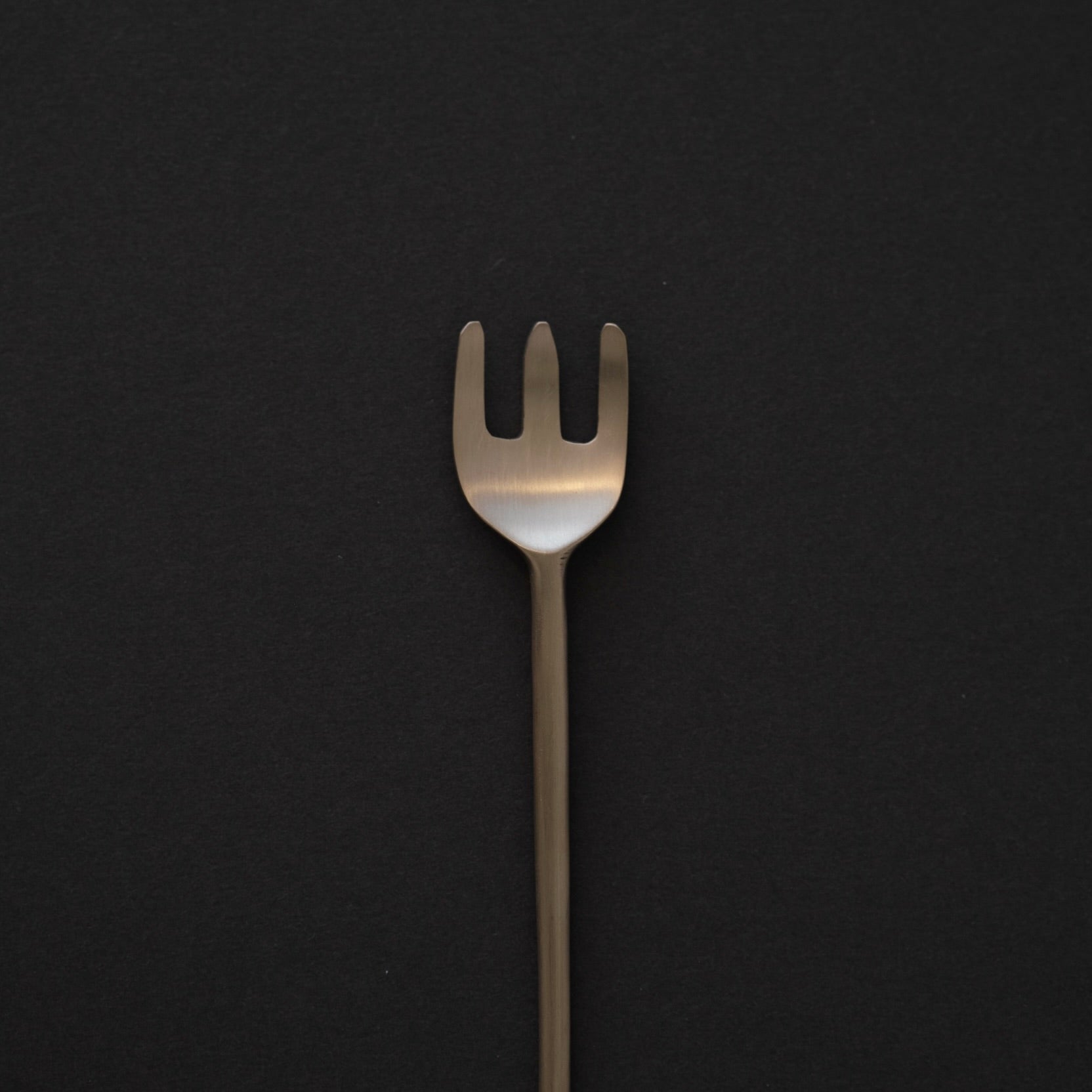
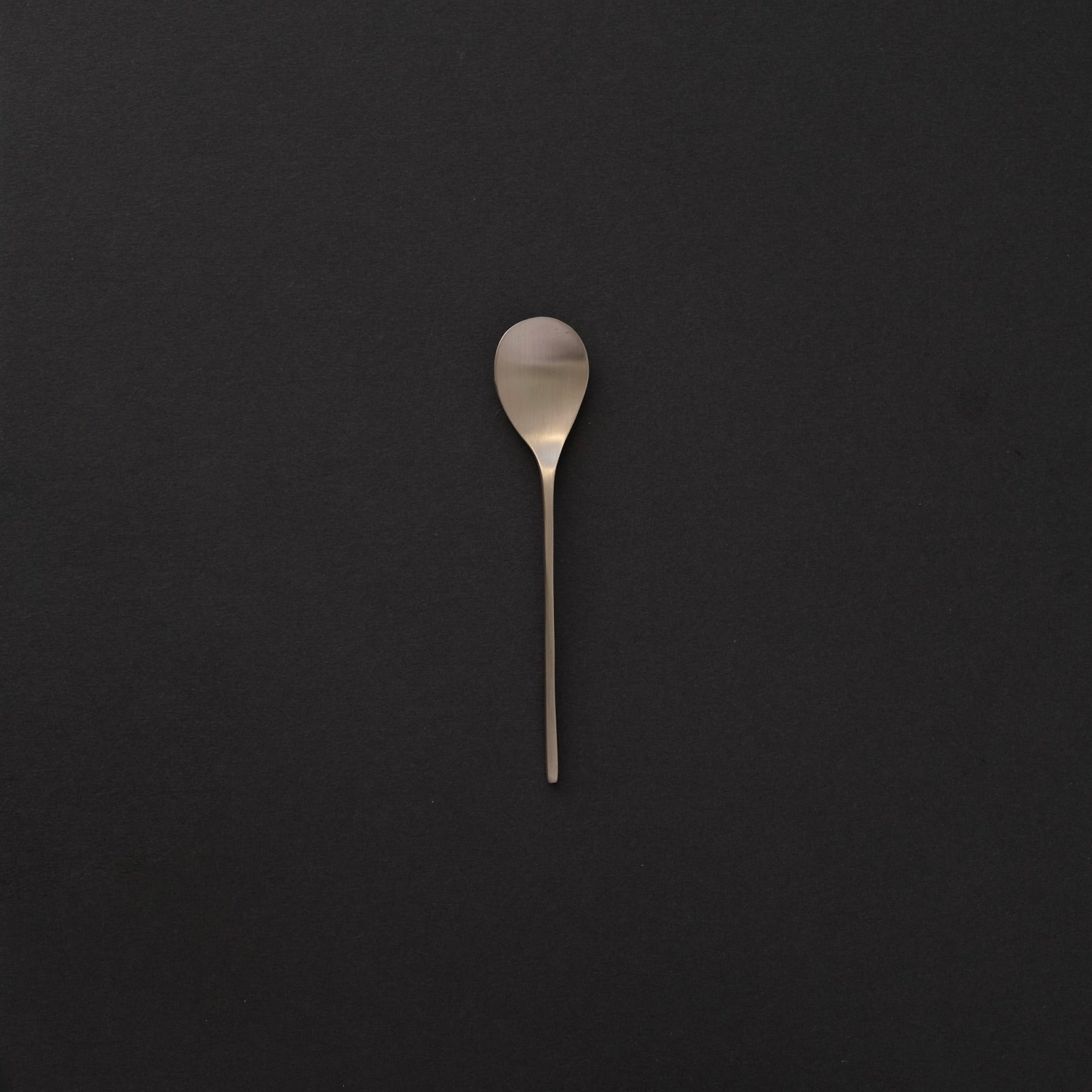
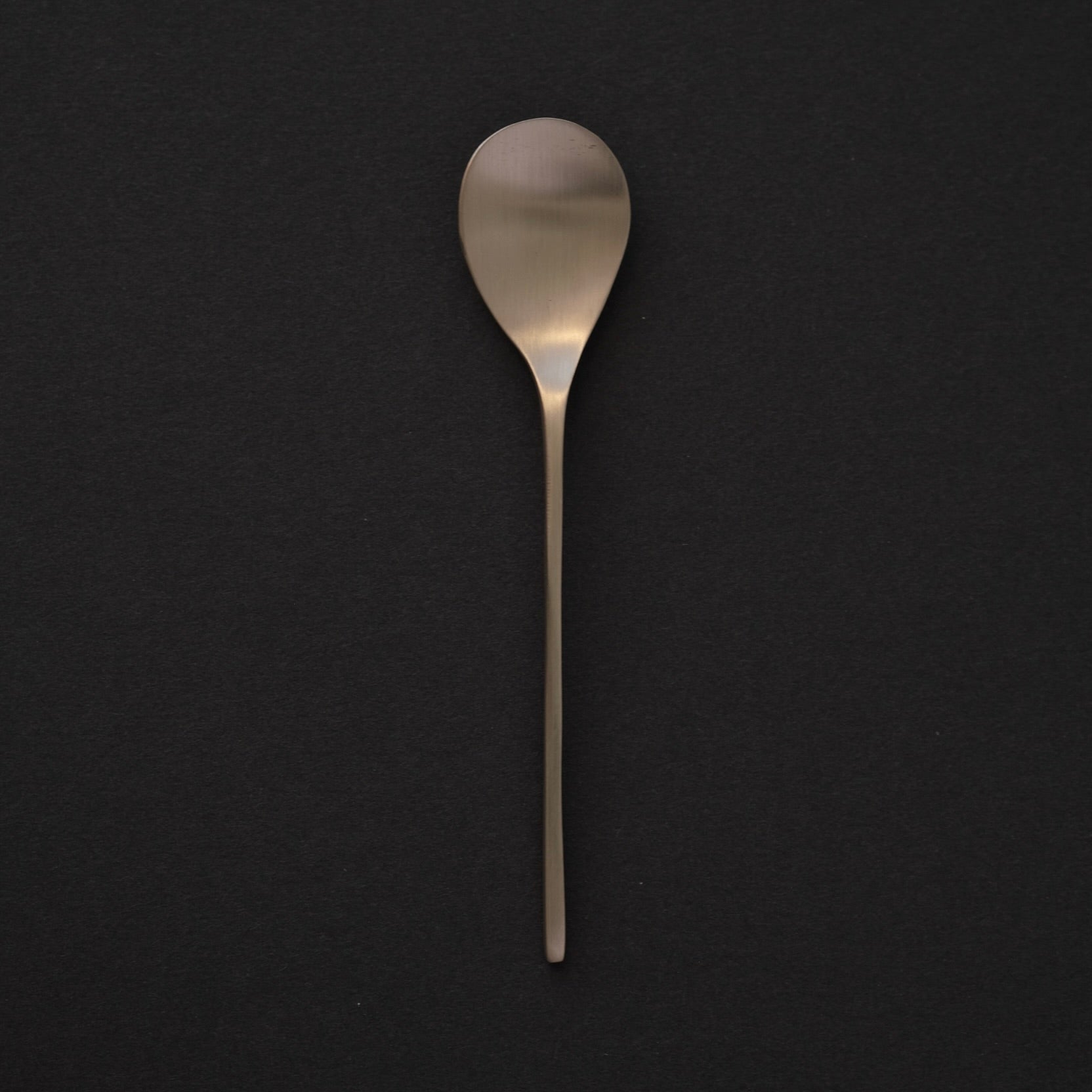
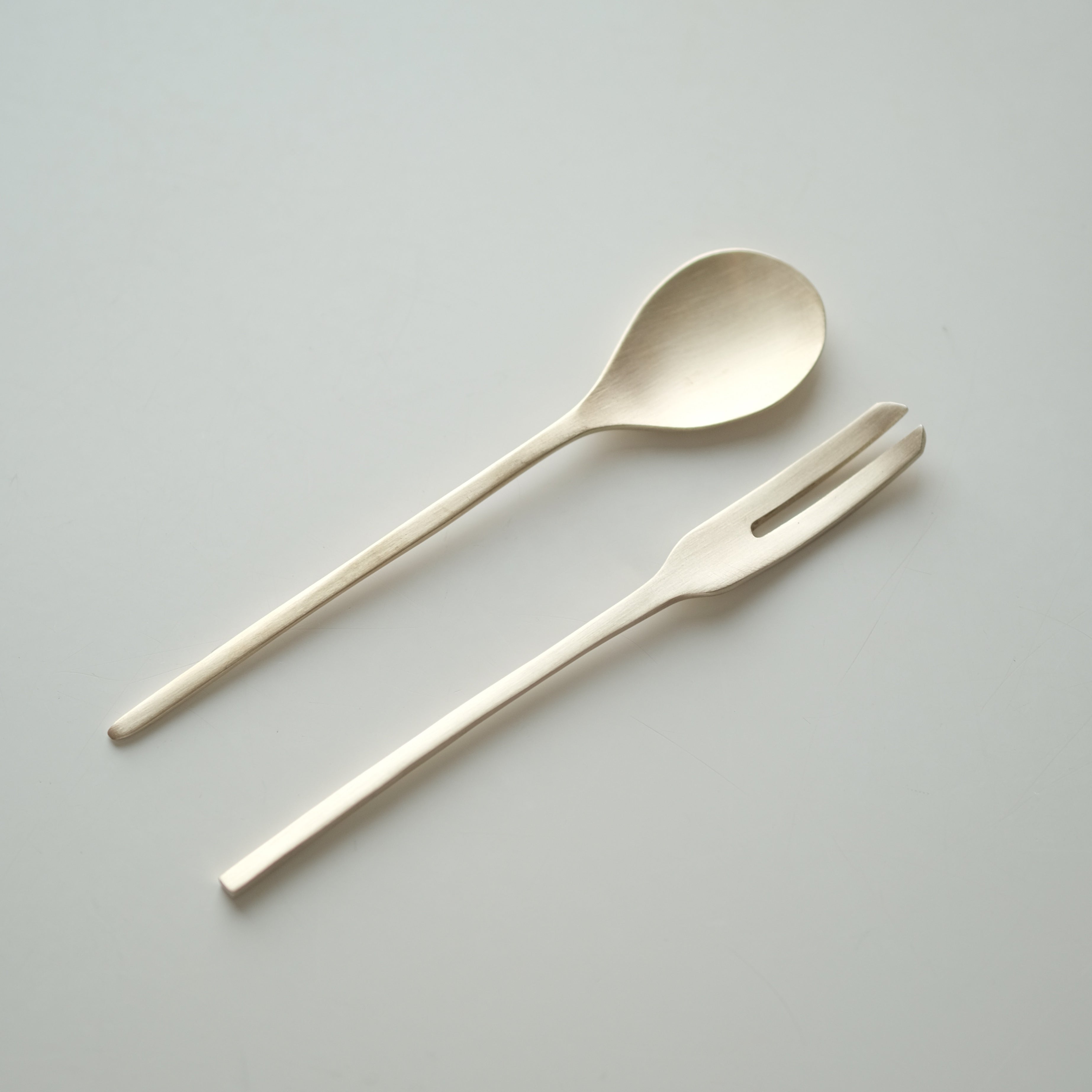
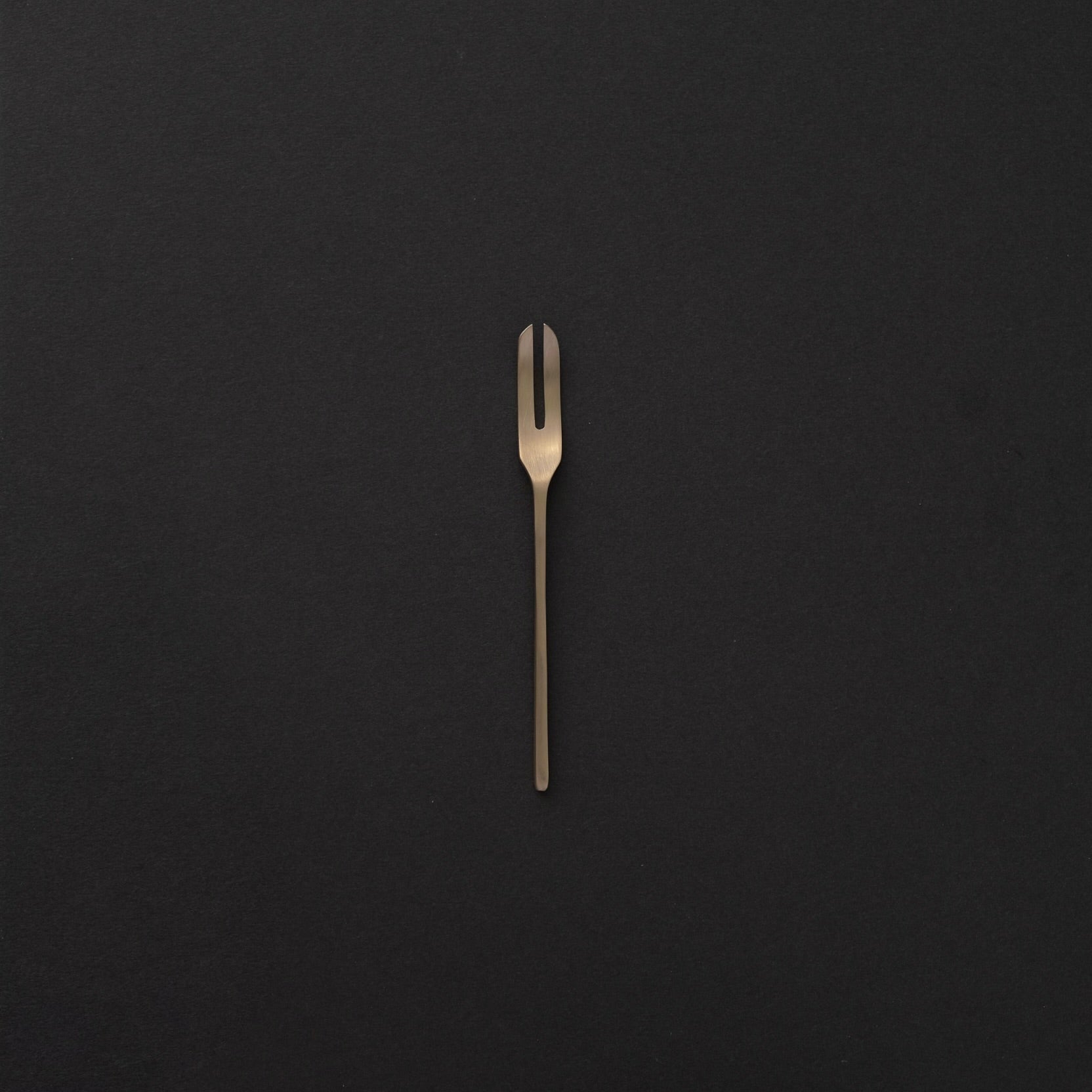
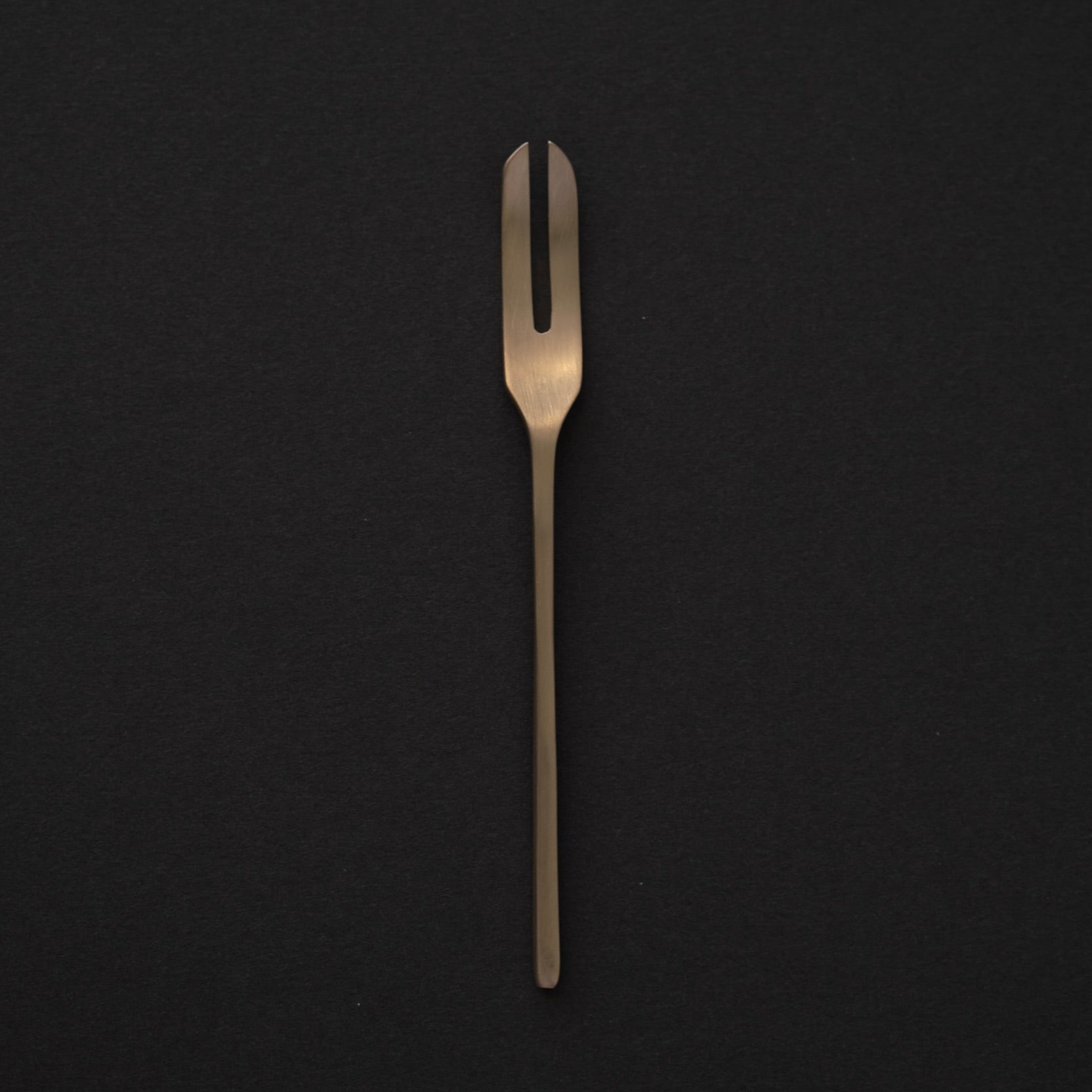
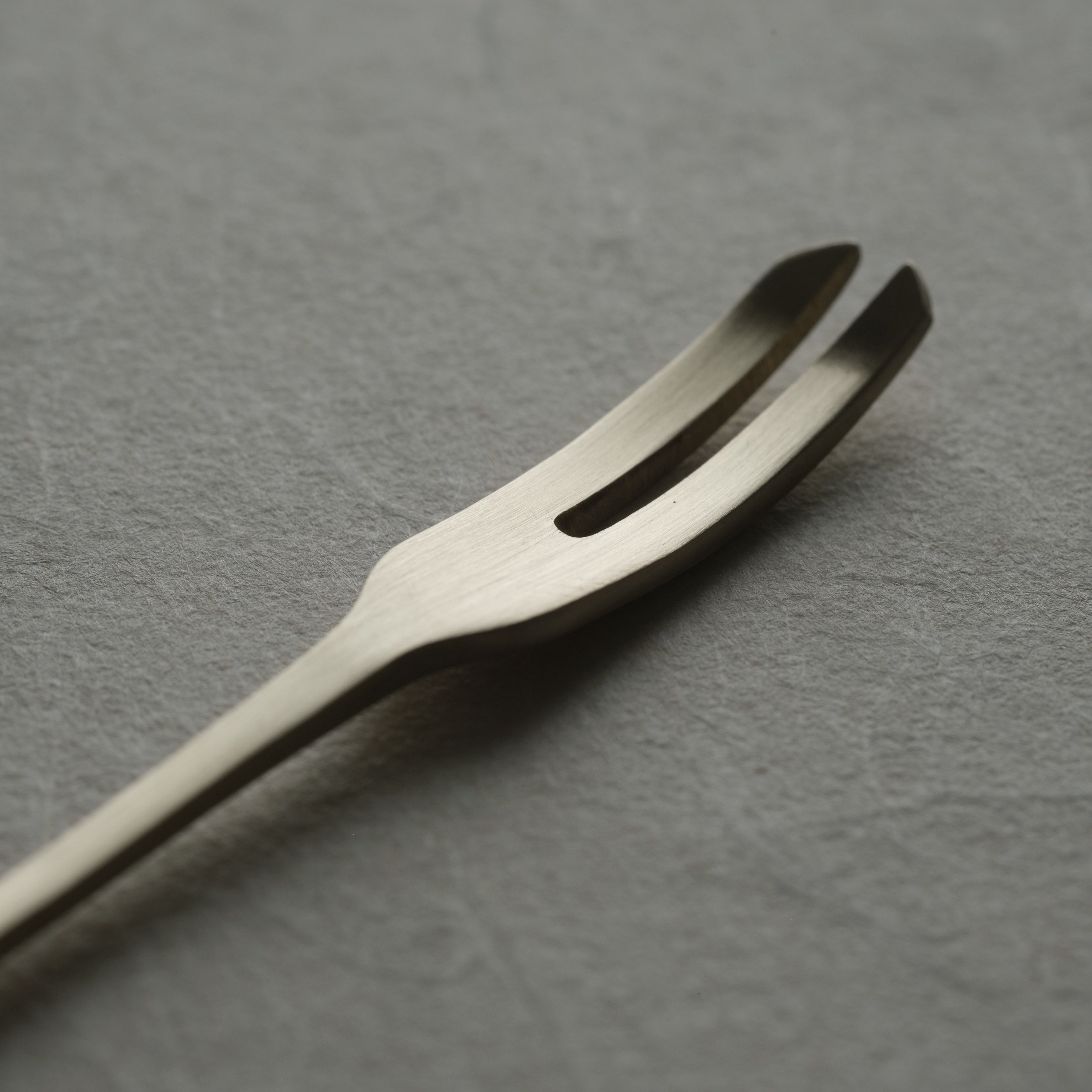
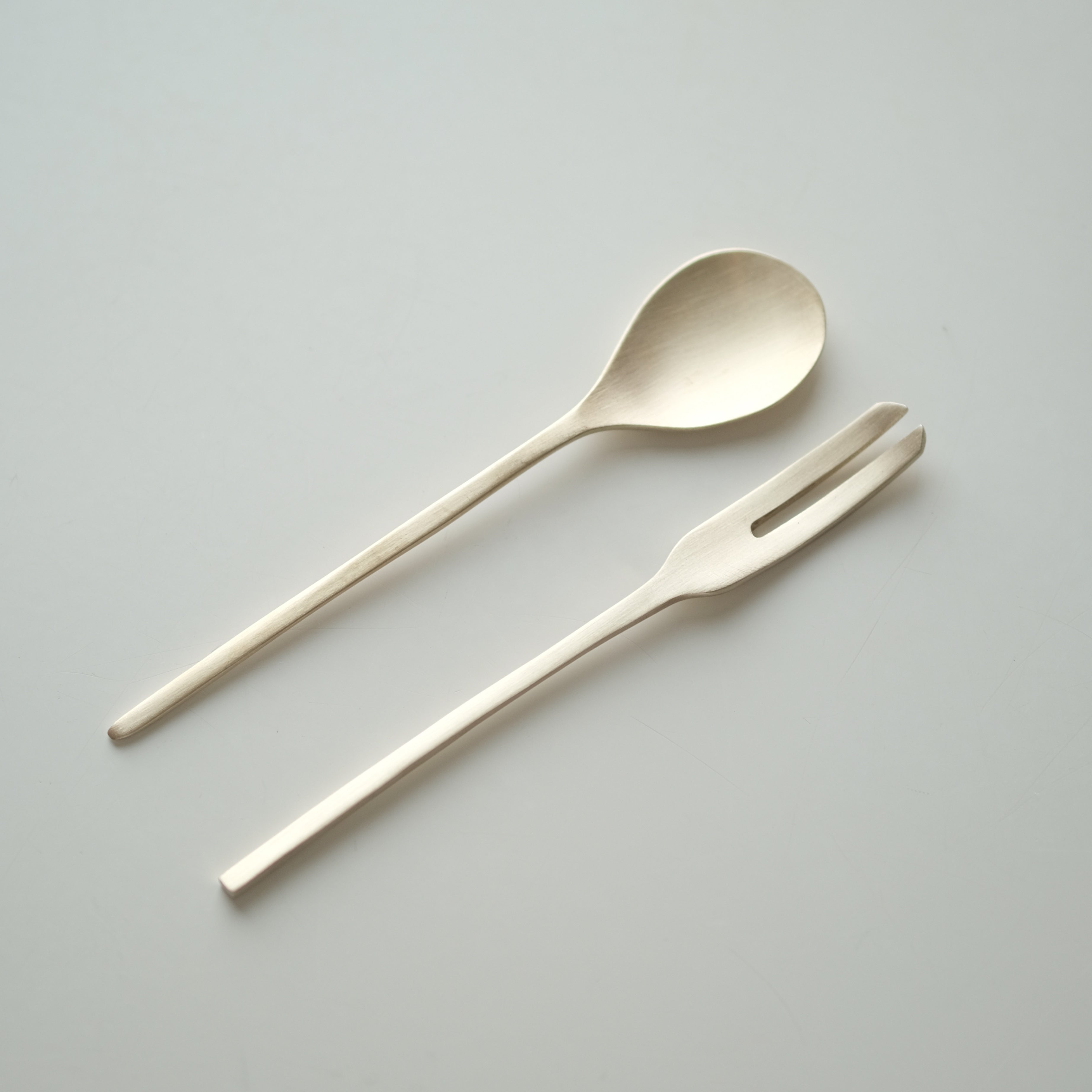
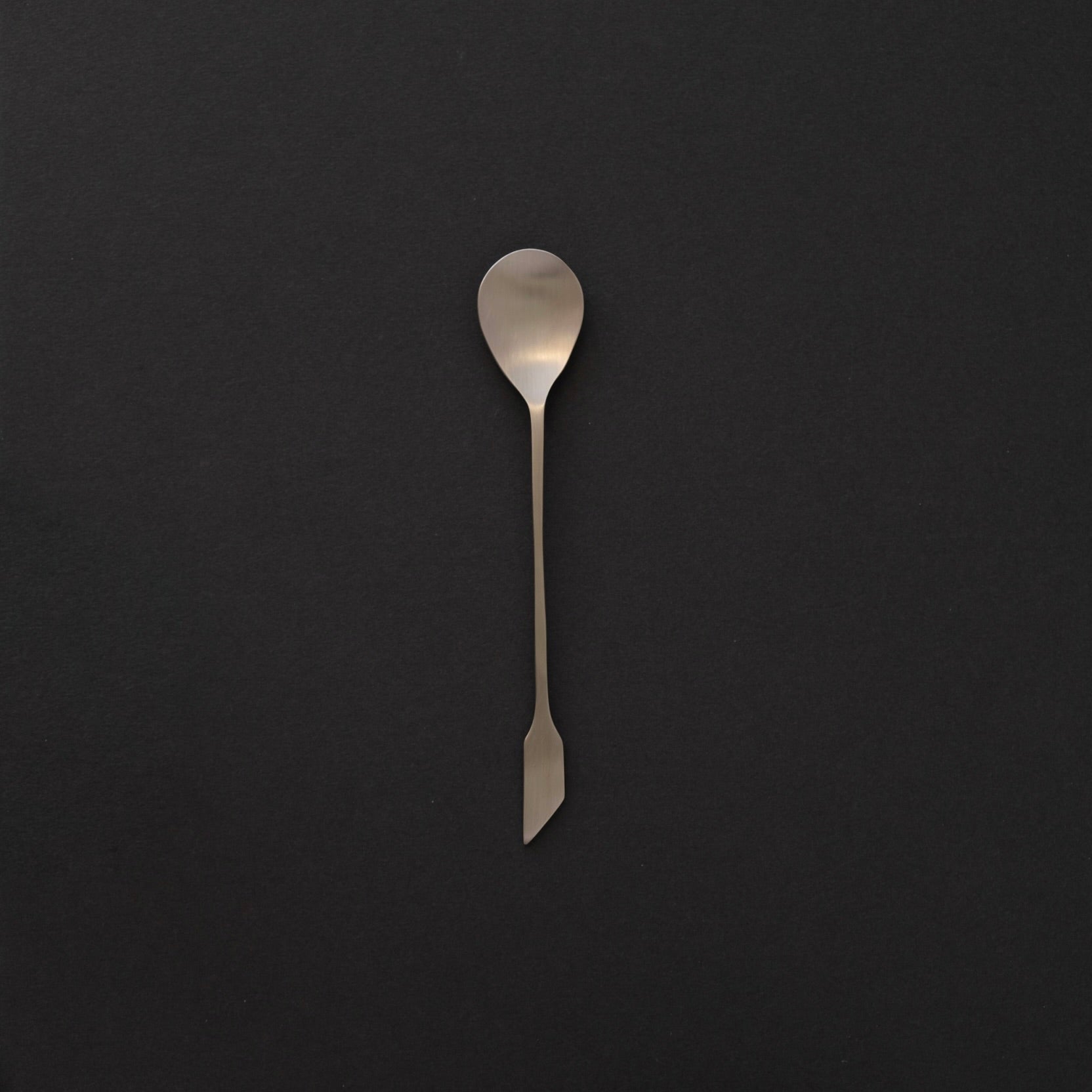
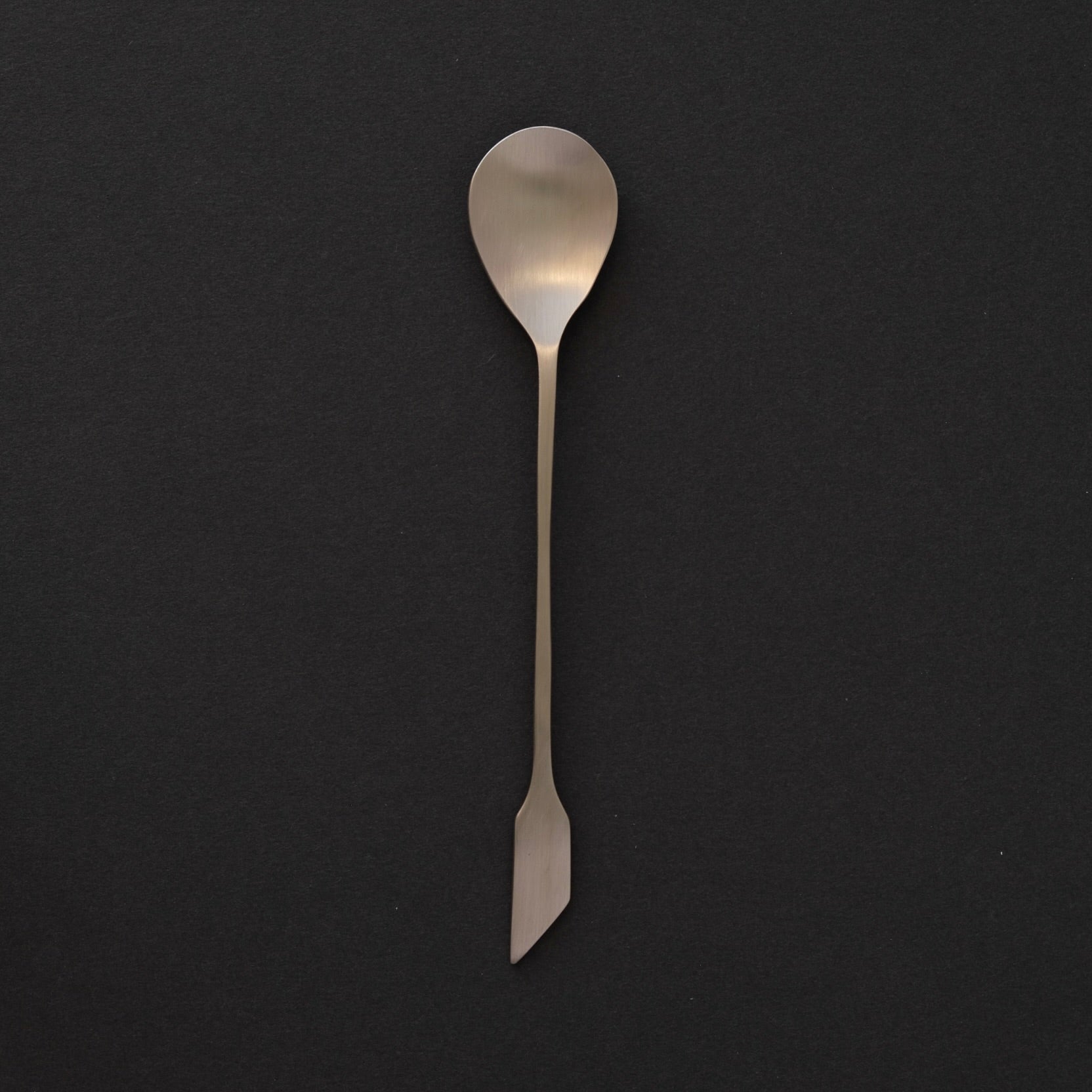
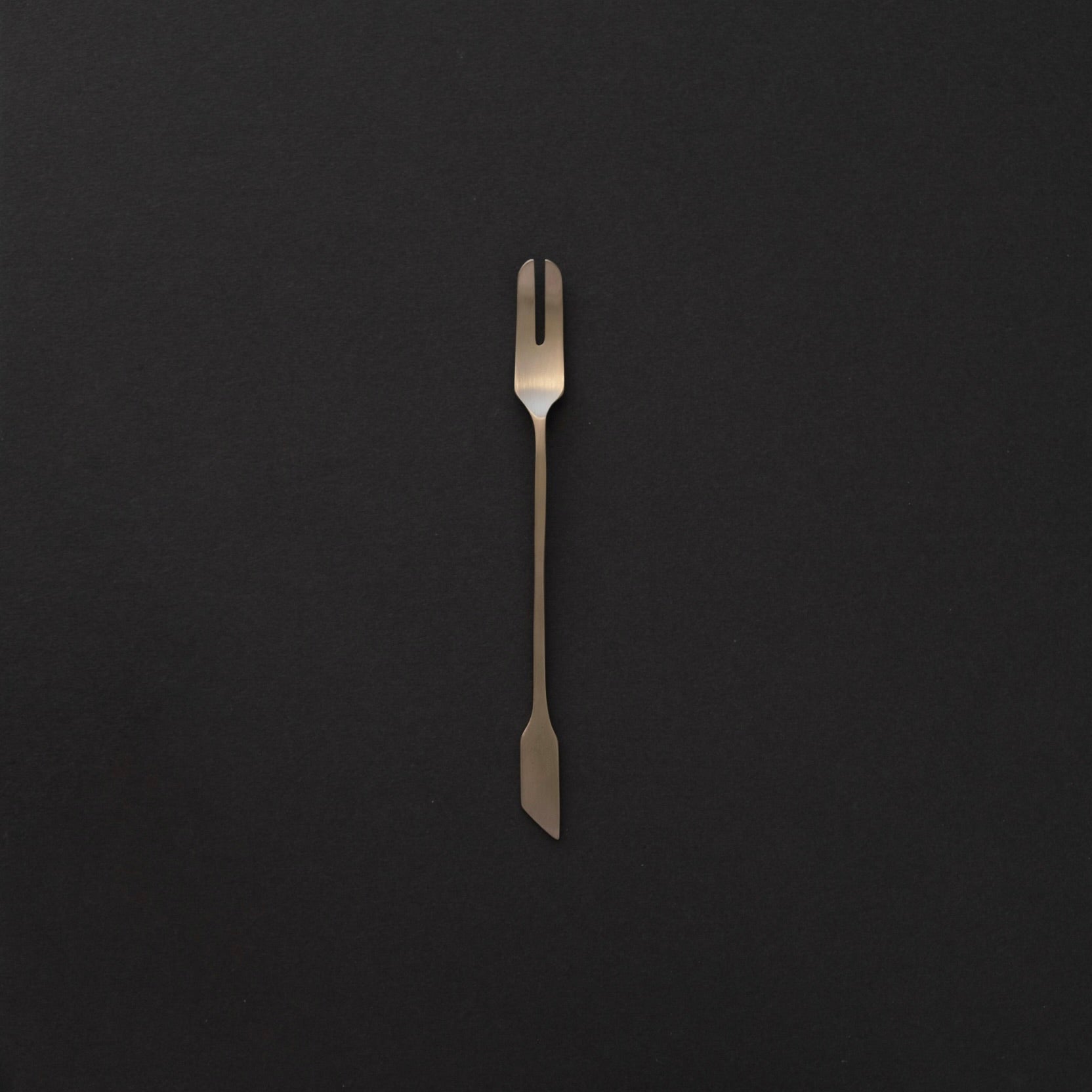
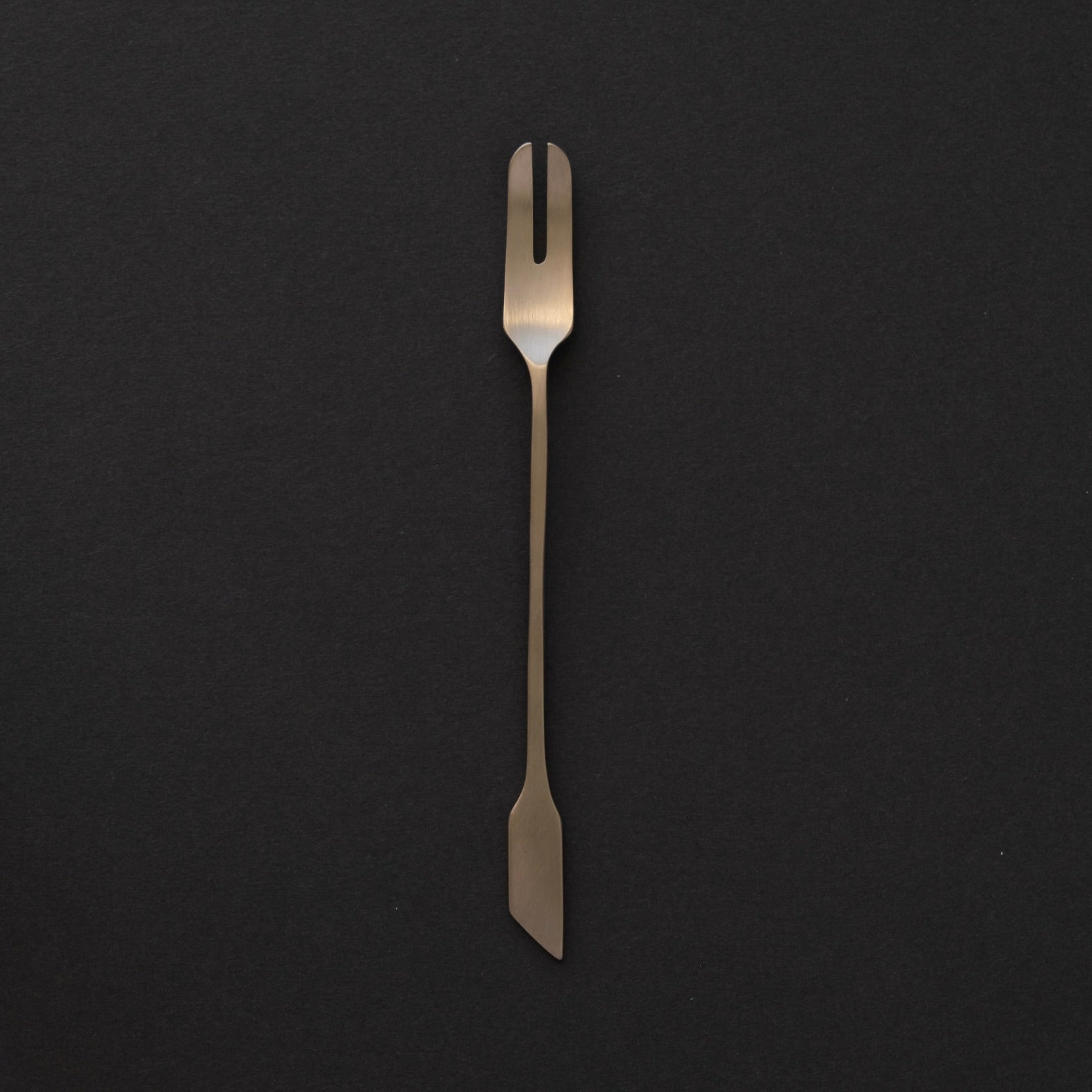
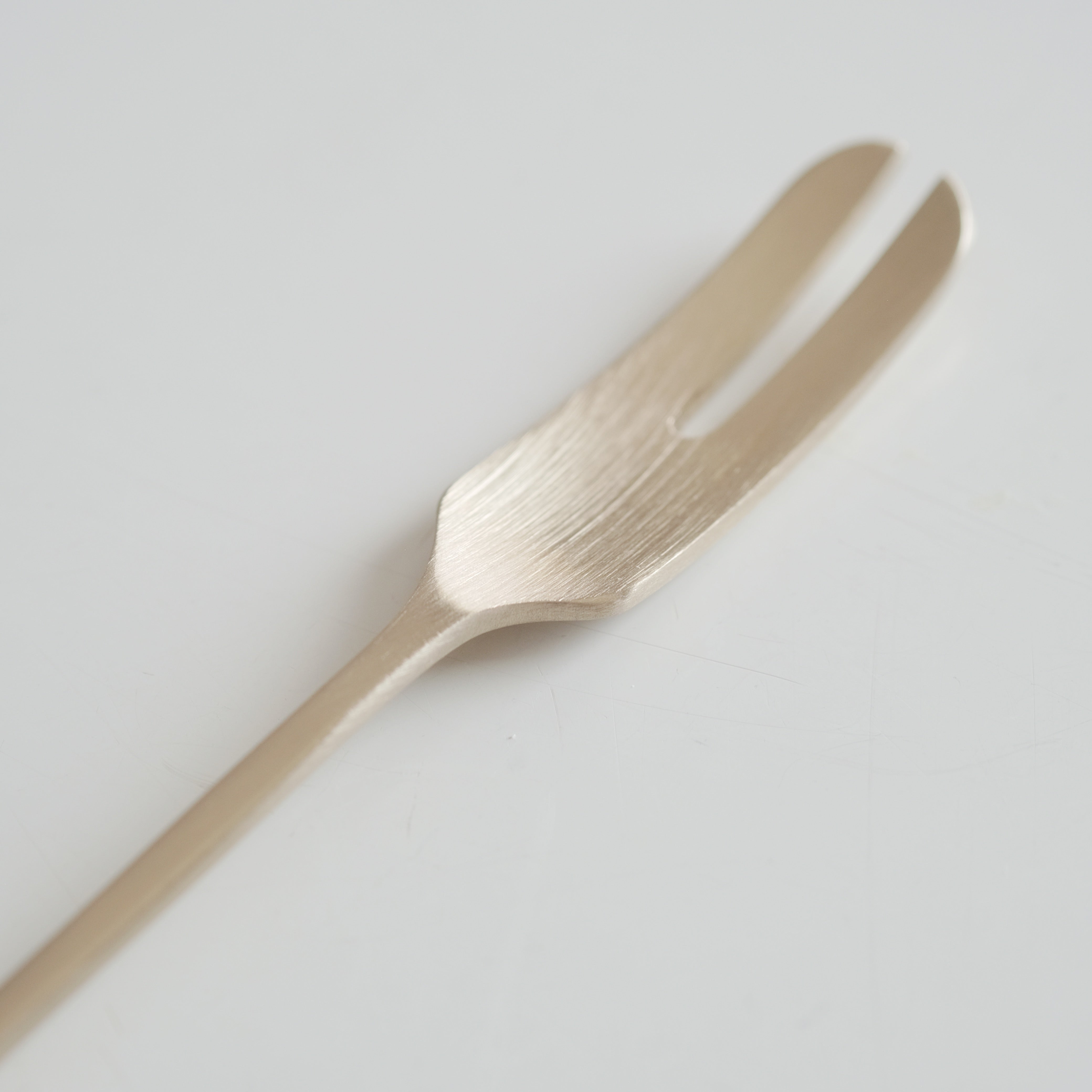
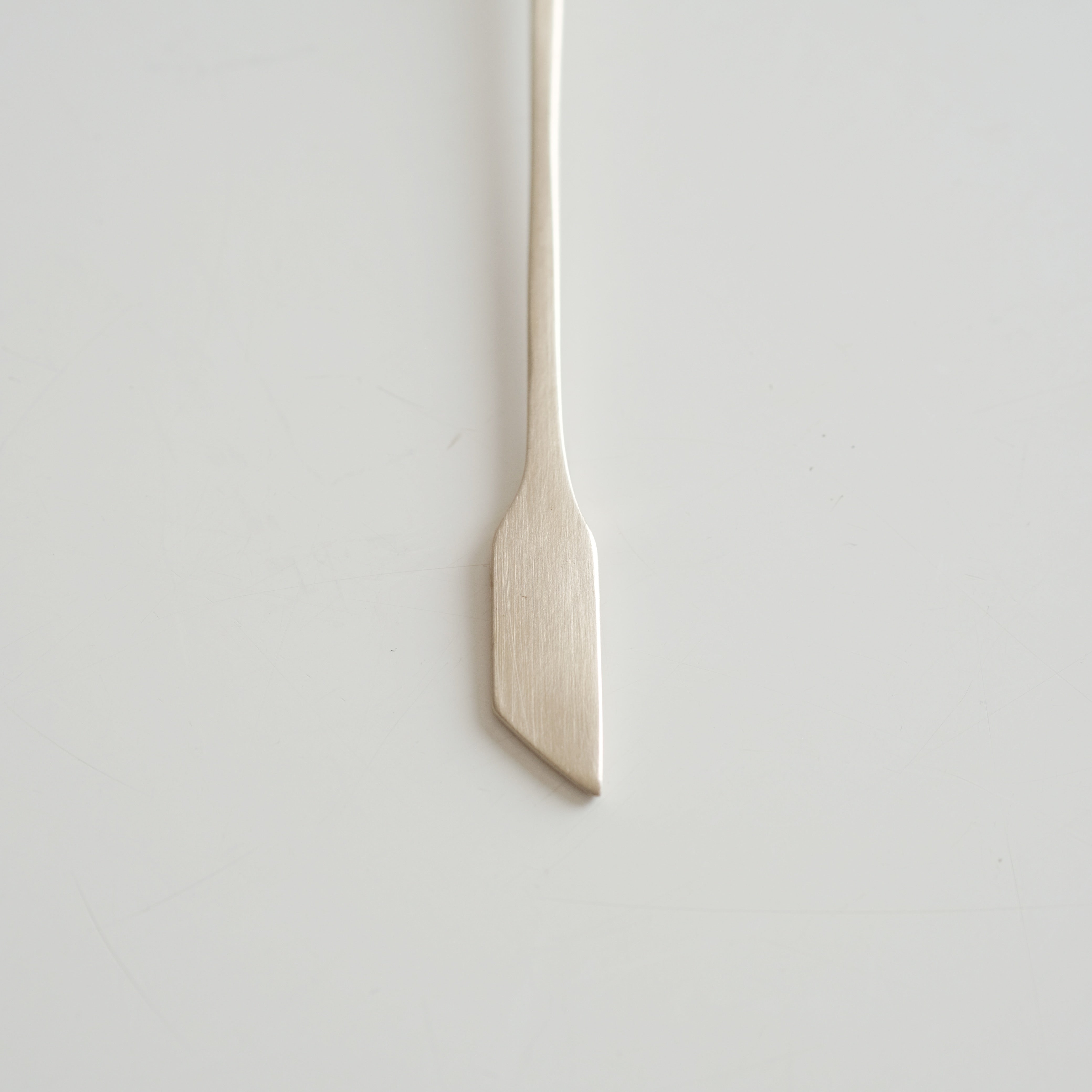
A Gentle Light: The Table That Holds Warmth reflects this quiet shift, focusing on the atmosphere shaped by objects that accompany the colder season: candlesticks, cutlery, bowls, and hand-forged bangjja vessels. These pieces carry warmth, brightness, and presence—softly accompanying the colder season.
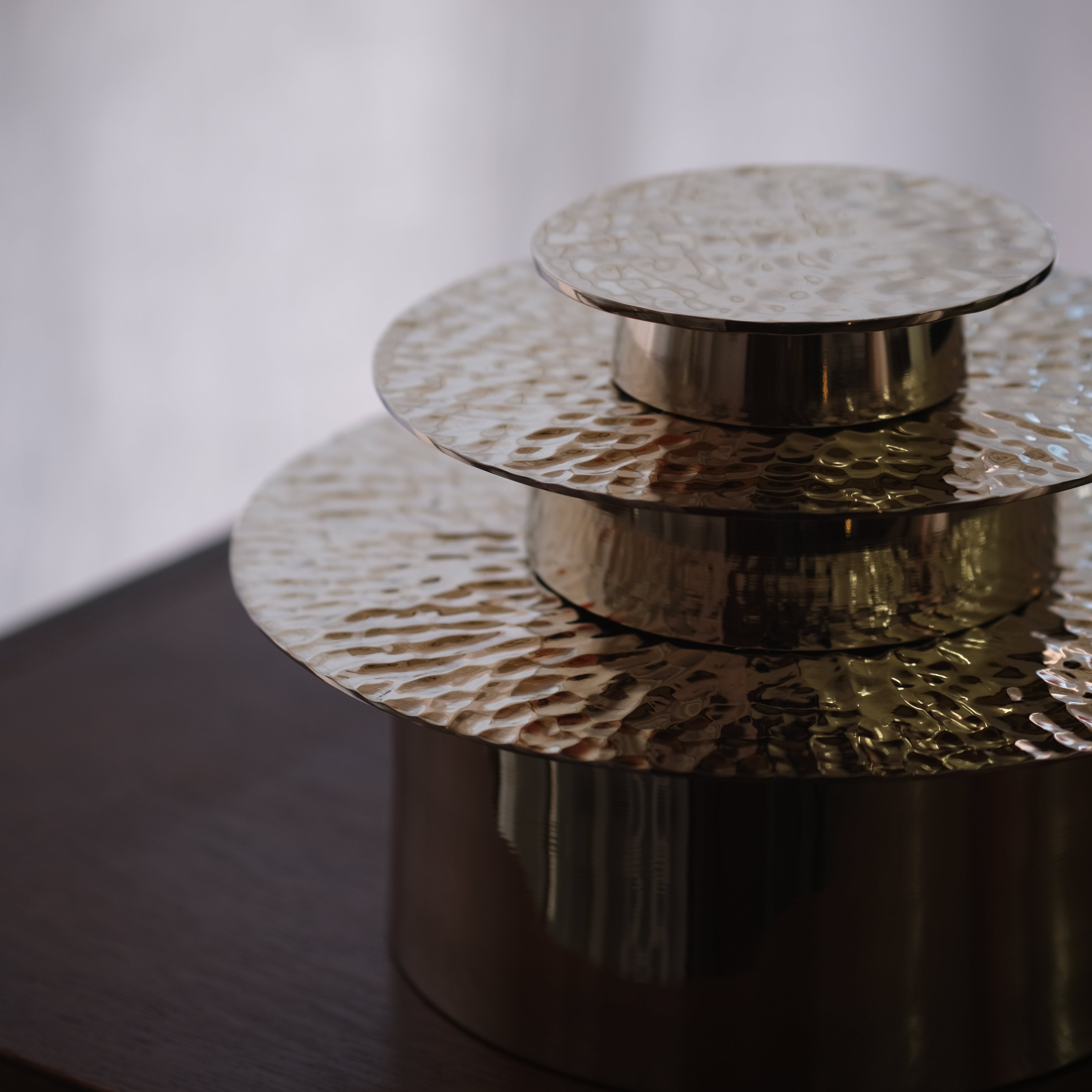
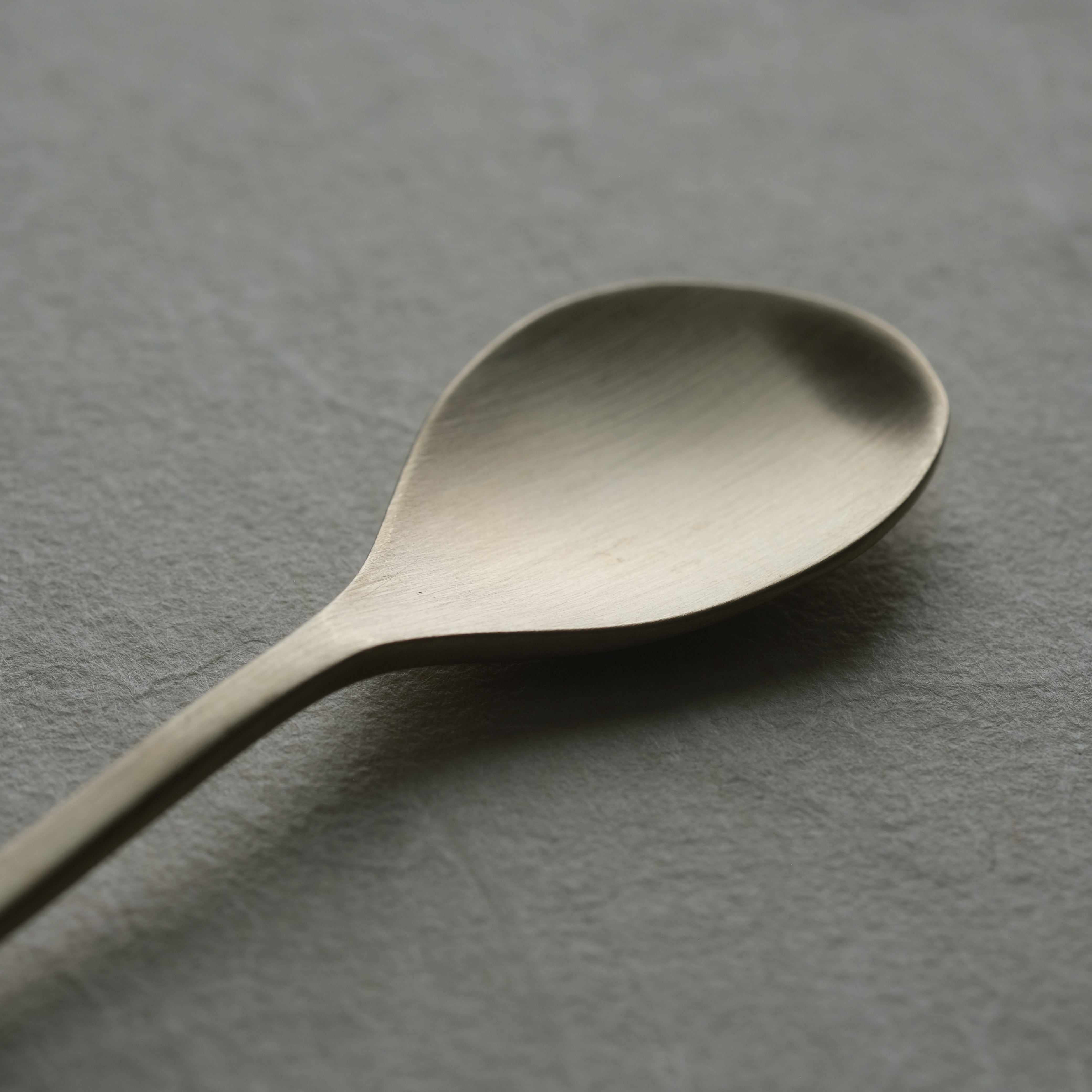
As a candle is lit and food is set at the center of the table, the space softens. Bronze reflects the glow with subtle variation—sometimes a gentle haze, sometimes a quiet shimmer—turning the table into a place where time stretches and lingers. As time passes, the surface of bangjja slowly absorbs the warmth of touch and the traces of use, revealing deeper tones and a quiet patina that grows richer with every season. In this season of gathering, these hand-forged vessels bring a quiet sense of stillness, presence, and soft brightness—making the moments we share feel warmer and more meaningful.
This exhibition looks toward the warmth, gathering, and stillness that winter brings, and reveals how handmade objects—shaped by touch, rhythm, and light—can bring depth and meaning to the moments we share.
Studio Ko
3107 W 6th St, Los Angeles, CA 90020
Exhibition Dates
December 4 (Thu) — 21 (Sun), 2025


Could you briefly introduce yourself?
Hello, my name is Jiho Lee, and I am a certified artisan of bangjja yugi, Korea’s traditional hand-forged bronze craft. I am the third generation in my family to carry on this practice, following my grandfather and father.
You’re continuing a craft that began with your grandfather. How did you decide to take on the family tradition?
When I was young, I actually didn’t have much interest in the family business. Like many others, I went to college, graduated, and found a stable job at a bank.
But over time, the repetitive routine of daily banking work began wearing me down. Around that time, I often remembered how my grandfather and father talked about their work. Even after dedicating their entire lives to this craft, they spoke about it with such joy—almost like children. Watching them, even just in memory, pulled me in. I found myself wanting to do something that could make me feel that same lifelong happiness. That’s when I decided to return home and continue the craft.
Napcheong Yugi has been passed down for three generations. What philosophy has guided the brand, and how has your involvement shaped its direction?
Napcheong Yugi has always held one core value: to preserve our traditions the right way. Our goal is to maintain traditional techniques while creating pieces that fit comfortably into modern life. In my own work, I often draw from older forms of yugi that are no longer commonly used—objects like basins or chamber pots that once existed throughout the home. Using traditional forging methods, which are sometimes rougher or more textured, I reinterpret those older pieces into forms that feel suitable for how we live today.
Today, most people associate bangjja yugi mainly with tableware. But historically, it appeared in all kinds of household objects. I’m interested in expanding yugi back into different parts of the home so that it can hold both traditional value and contemporary practicality.


What do you see as the greatest appeal of bangjja yugi?
For me, its beauty lies in its understated presence and longevity.
Bangjja brings a quiet refinement to any space—it never feels flashy, yet it enhances what’s around it. Its simple forms don’t follow trends, so the pieces never feel dated. And because they don’t break or deform easily, they can be used across generations.
Could you walk us through the process of making one piece?
Everything begins with the exact alloy ratio of copper and tin—this is fundamental to bangjja. At our workshop, we handle every step in-house, from melting the metal to the final finishing, to ensure consistent quality.
The shaping process involves hot forging, repeatedly heating and hammering the metal. After shaping, the piece is heated again and quenched in cold water so it becomes stable at room temperature. The final step, gajil(shaving/polishing), involves removing the surface layer to reveal the characteristic golden tone of bangjja.
What distinguishes bangjja from other metalworking techniques?
Bangjja requires extremely precise temperature control. If it becomes too hot, it melts; if it cools too much, it cracks. The artisan can only hammer the piece for 30 seconds to a minute before reheating it again—this cycle repeats countless times. This demanding rhythm of heating and forging is unique to bangjja.
Also, during the final gajil process, the piece is refined on a rotating wheel, in a method reminiscent of woodturning. Because of this, bangjja vessels tend to take on rounded, symmetrical silhouettes. And since the alloy cannot be welded or soldered, each form must be shaped from a single block of metal. These technical limits naturally lead to the restrained, harmonious forms characteristic of bangjja.
When designing and making your pieces, what do you focus on most?
Before I make anything, I spend a lot of time researching—old documents, academic papers, museum archives. I want to understand how certain objects were made, how they were used, and what stories they carried. Studying the past helps me understand what a piece needs in order to live well in the present. That process guides me toward making work that truly belongs in today’s daily life.
I also constantly ask myself, “Is this genuinely easy to use?” There’s a perception that bangjja can be difficult to maintain, so I try to design my pieces so they feel approachable and satisfying in everyday use.

You honor traditional techniques while also pushing for new ideas. What does “continuing tradition” mean to you?
I believe that tradition was once someone’s “today” and someone’s “tomorrow.” If we hold onto tradition rigidly and it ends up forgotten, then it loses its meaning. So I try to preserve the core values and methods of the craft, while creating things that fit naturally into contemporary life. For tradition to truly continue, it has to be something people can still live with.
How do you find balance between tradition and modernity?
For me, the focus is simple: make objects that fit comfortably into everyday life today. Because I follow traditional methods as faithfully as possible, the balance between past and present tends to form organically.
Was there anything you especially wanted to explore or emphasize for this exhibition?
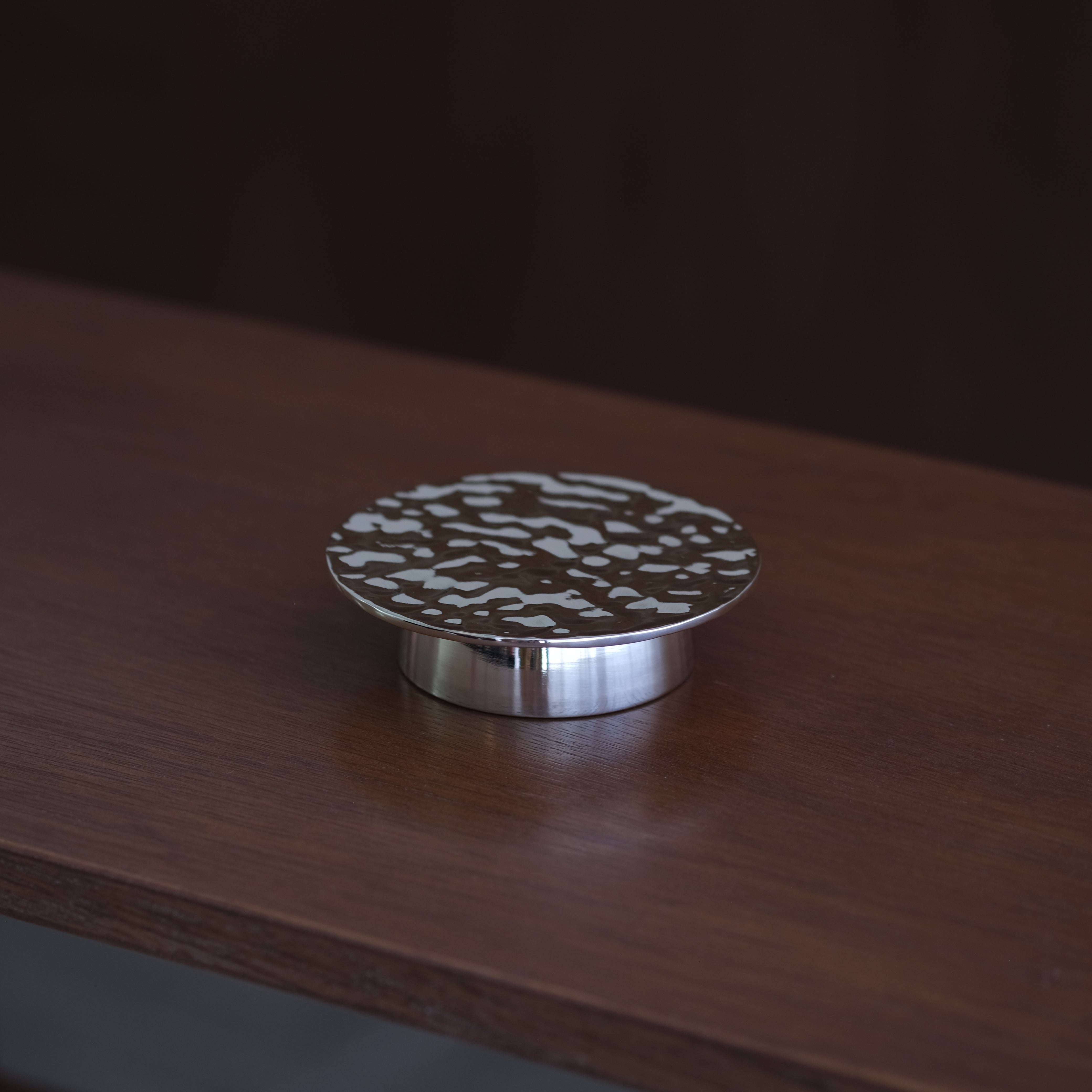
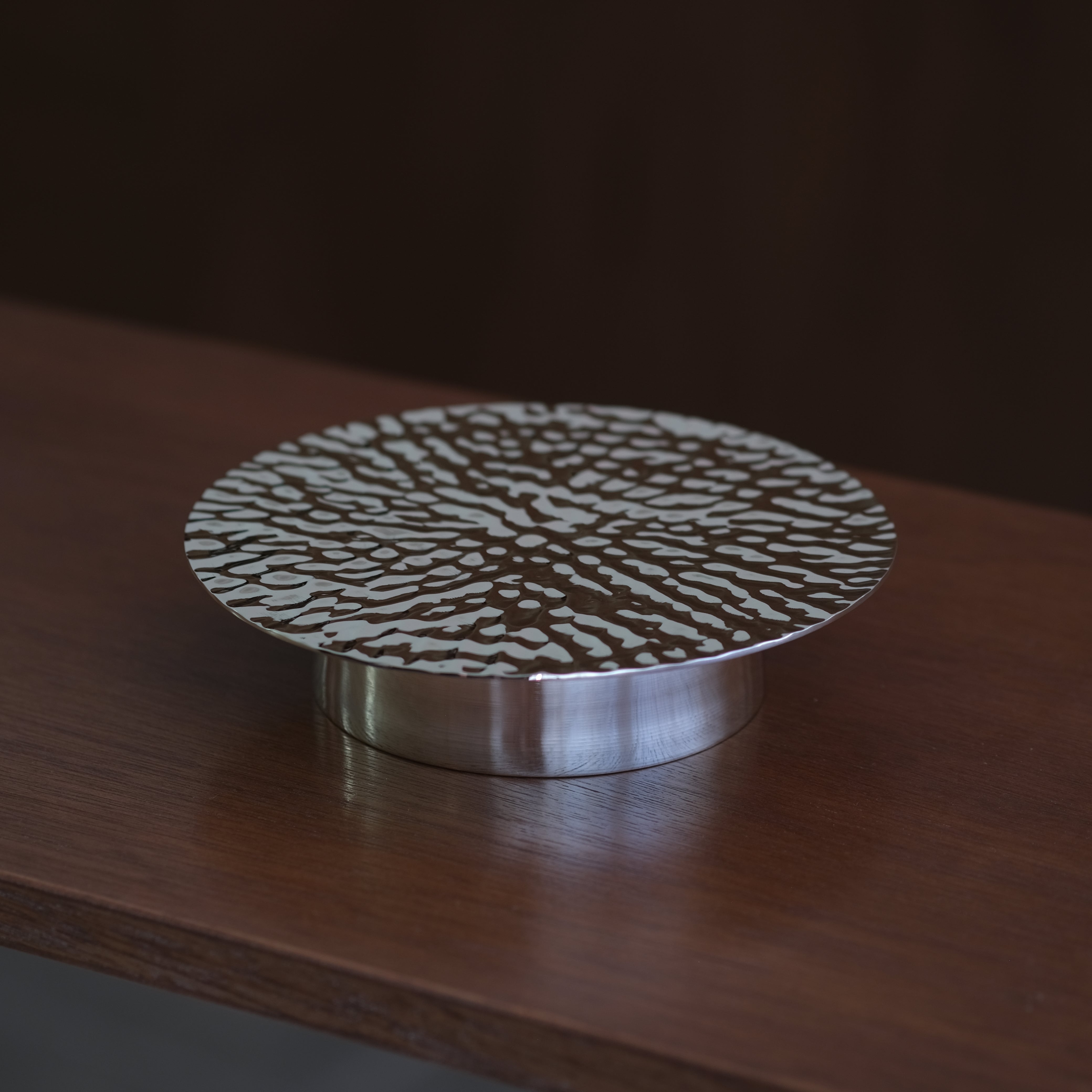
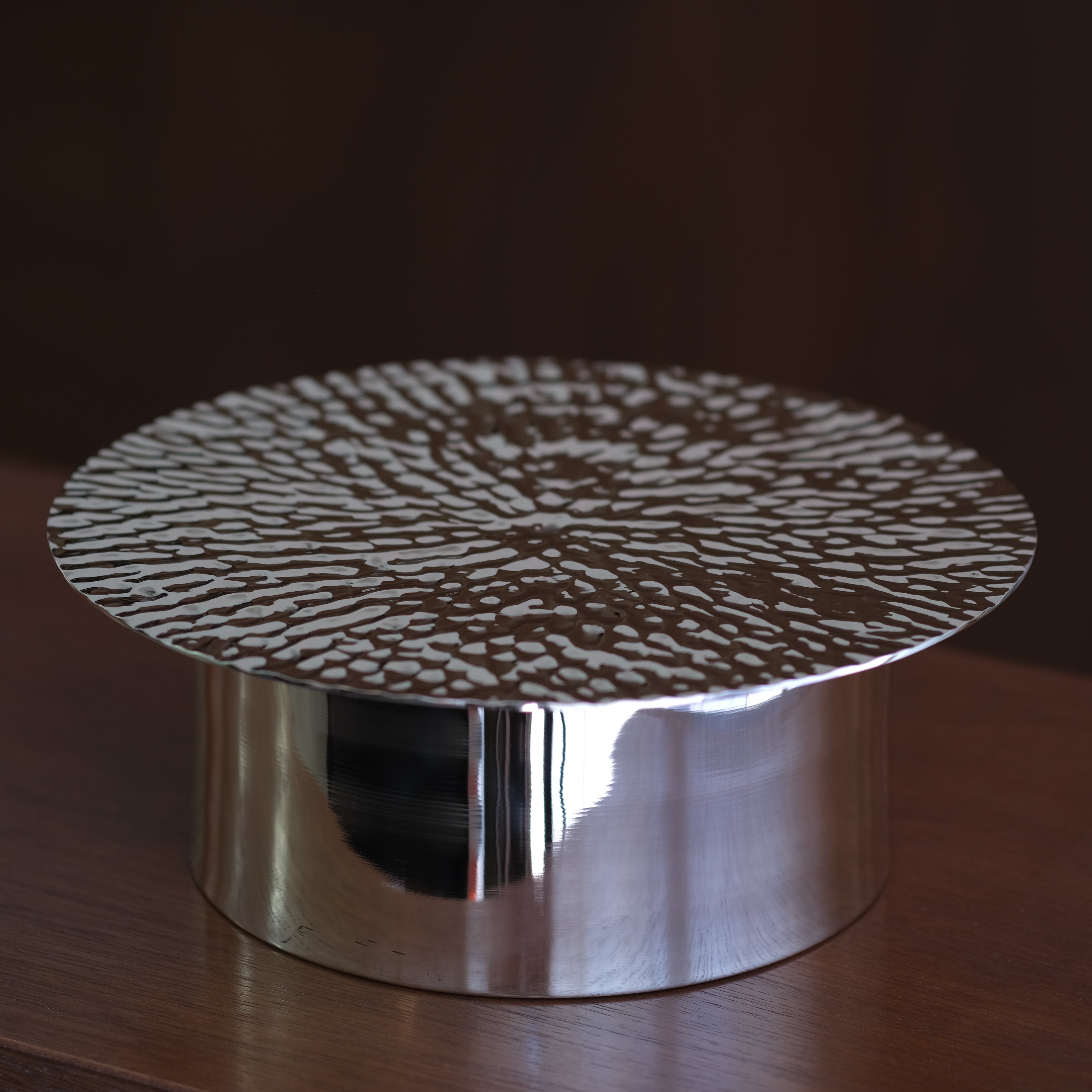
As bangjja has become more popular, many mass-produced, machine-made pieces have appeared. For this exhibition, I wanted to highlight what only our workshop can do—pieces made entirely by hand, with the natural hammer marks left visible.
The wall-mounted candleholder was something I created for the first time. I intentionally left the surface a bit rough so that the candlelight would reflect more warmly, creating a sense of depth in the glow.

What basic care guidelines would you give to someone using bangjja for the first time?
Exposure to high heat can alter the metal and cause cracking, so I recommend avoiding open flames, dishwashers, microwaves, or ovens. Foods high in acid—like vinegar, soy sauce, kimchi, or pickles—can also cause discoloration if left in the bowl for too long.
For daily use, simply wash by hand and dry immediately. If discoloration occurs, you can lightly scrub along the grain with a scouring pad or use a copper-specific polish to restore the golden tone.
How do you personally use or care for bangjja in your own daily life?
The original bright color is beautiful, but I believe craft objects should be used often and freely. As you use bangjja, its color deepens and its character changes—that transformation is another kind of beauty.
What do you hope American audiences understand or appreciate about bangjja?
Not long ago, I couldn’t have imagined Korean culture receiving this much attention in a cultural powerhouse like the U.S. But now, from music and film to food, Korean culture is being embraced. In Korea, bangjja yugi carries meaning beyond tableware. It’s often used when welcoming honored guests or loved ones—there is a spirit of hospitality and respect embedded in these objects. My hope is that bangjja finds a quiet place in the daily lives and spaces of American audiences as well, becoming part of the moments they cherish.


Curator's note
For many people, bangjja yugi evokes memories of something old—heavy bowls with a muted yellow tone found in our grandparents’ homes. For a long time, I also thought of bangjja as a relic of the past: familiar, but distant. Yet the more I lived with handmade objects, the more I realized that few materials embody longevity as honestly as bangjja. It is a vessel that not only endures but deepens over time.
Encountering Jiho Lee’s work changed my understanding of what bangjja could be. His pieces move beyond the conventional idea of tableware, expanding into forms that shift between function and sculpture. They demonstrate that tradition does not need to remain in the past; it can evolve, adapt, and enter contemporary life with clarity and purpose.
We are living in a moment when Korean culture is being seen, heard, and understood globally in ways that were once unimaginable. Amid this cultural shift, I felt it was important to present a traditional craft not as nostalgia, but as a living practice—one shaped by skill, continuity, and reinterpretation. Napcheong Yugi, carried through three generations of Lee’s family, embodies precisely that lineage: a craft rooted in history yet open to transformation.
Bangjja has always been more than metal. It carries hospitality, care, and the wish to honor the people at the table. In this exhibition, I hope to share that spirit with a new audience. By presenting Jiho Lee’s work, forged through inherited technique and contemporary imagination, I invite viewers to see bangjja not as an artifact but as a material that holds warmth, presence, and the quiet depth of time.
[Watch Business Insider Documentary]
(KR)
많은 사람들에게 방짜유기는 오래된 물건의 이미지로 기억됩니다. 할머니, 할아버지 댁에 있던 무겁고 누런빛의 유기처럼, 익숙하지만 어쩐지 우리 일상과는 거리가 있는 물건처럼 느껴지기도 합니다. 저 역시 한동안 방짜를 그렇게만 생각해왔습니다. 하지만 손으로 만든 물건들과 오래 지내다 보니, 시간 앞에서 방짜만큼 정직하게 아름다워지는 재료도 드물다는 사실을 깨닫게 되었습니다.
이지호 작가의 작업을 보면서 저는 방짜가 얼마나 폭넓게 확장될 수 있는지 알게 되었습니다. 그의 기물들은 단순한 식기를 넘어, 공간의 오브제로, 다양한 용도로 변주되는 새로운 방짜의 가능성을 보여줍니다. 전통은 지나간 시대의 흔적이 아니라, 오늘의 감각 안에서 다시 태어날 수 있다는 사실을 그의 작업이 증명하고 있습니다.
지금 우리는 한국 문화가 세계적으로 주목받는 흐름 속에 살고 있습니다. 음악, 영화, 음식뿐 아니라 한국적 미감과 공예에 대한 관심도 더욱 깊어지고 있습니다. 이 시기에, 전통 방식을 지켜온 납청유기와 그 유산을 3대째 이어온 이지호 작가의 이야기를 소개하는 것은 단순한 공예 전시를 넘어, 한국의 손仕事가 지닌 철학과 연속성을 알리는 일이라고 생각했습니다.
방짜는 오래전부터 단순한 그릇 그 이상이었습니다. 귀한 손님을 맞이하고, 소중한 사람을 대접하는 마음이 담긴 기물이었지요. 이번 전시를 통해 관객들이 방짜를 옛 물건으로서가 아니라, 시간을 담고 온기를 품으며 오늘의 생활 속에 자연스럽게 자리할 수 있는 재료로 만나길 바랍니다.
이지호 작가의 작업은 전통을 이어가면서도 새로운 감각을 더해, 방짜유기가 지닌 깊이와 가능성을 지금 이 순간의 언어로 보여줍니다.
이 전시가 한국 방짜의 아름다움과 그 안에 담긴 정신을 조용하지만 선명하게 전달하는 계기가 되기를 바랍니다.