Korean Sensibilities Through Dessert — A Conversation with Pastry Chef Yujung Kim
Earlier this month, Copenhagen-based pastry chef Yujung Kim visited Los Angeles for the first time to present a dessert pop-up at Quat.
Yujung is also a close friend of ours, and over the years we’ve always admired the way she approaches dessert — not simply as something to eat, but as a way of expressing memory, material, culture, and experience through flavor and presentation.
As she prepared for her first pop-up in LA, we sat down to talk about her journey into pastry, her years working in Copenhagen’s fine dining scene, the stories behind her desserts, and the Korean sensibilities that quietly shape her work.

Could you briefly introduce yourself and tell us about the work you’re currently doing?
Hello, I’m Yujung Kim, currently working as a pastry chef in Copenhagen.
I currently work at a bakery where I focus on menu development and production, and starting this year, I’m planning a variety of pop-ups in different countries — from dessert courses and viennoiserie to collaborations with Korean artists working across a range of mediums.
What first led you to pastry? Was there a particular moment that made you choose this path?
I think I began pursuing this path seriously during high school. Like many students, I admired the chefs I saw on television, and in middle school I decided I wanted to become a chef, which led me to attend a culinary high school. That was my very first step.
At first, I was actually more interested in savory cooking than pastry. Back then, learning desserts felt more like a way to strengthen the areas I lacked. During school breaks, I would go study pastry and stage at well-known fine dining restaurants because I felt those were things I needed to do. But somewhere along the way, I completely fell in love with the delicate and visually expressive nature of desserts.
Early in my career, I worked as part of a company’s menu development team, but I couldn’t let go of my desire to pursue pastry. Eventually, I left the company and fully committed myself to desserts.


You’ve worked in various fine dining environments. How have those experiences influenced your work today, and what do you think was the biggest lesson you gained from them?
Rather than staying at one fine dining restaurant for a long time, I tried to experience and learn from as many different environments as possible.
One of the places I worked at was Geranium, where six of the seventeen courses were dedicated to dessert. Beyond the techniques themselves, I was exposed to many ingredients you wouldn’t normally encounter in a traditional pastry kitchen, which really broadened my perspective.
I also learned a great deal from watching the team respond quickly and precisely to different allergies and dietary restrictions. There was always something new to learn.
We often worked up to eighteen hours a day, but everyone shared the same goal of delivering the perfect dish. Being surrounded by people moving toward the same goal — working beside them and experiencing those moments together — became one of the most meaningful lessons for me. Even now, that remains one of the things I’m most grateful for.

I’m curious about how one of your menus comes together. How does the process begin — from inspiration and ideas to the final plating and ingredient choices?
I enjoy experiencing things beyond desserts — traveling, looking at artists’ tableware, architecture, furniture, and other forms of design. I try to absorb and experience as much as possible, and I think I naturally try to translate those memories and impressions onto a plate.
Once I choose the tableware I want to work with, I spend a lot of time thinking about what feels most special about the piece and what kind of story could live within it.
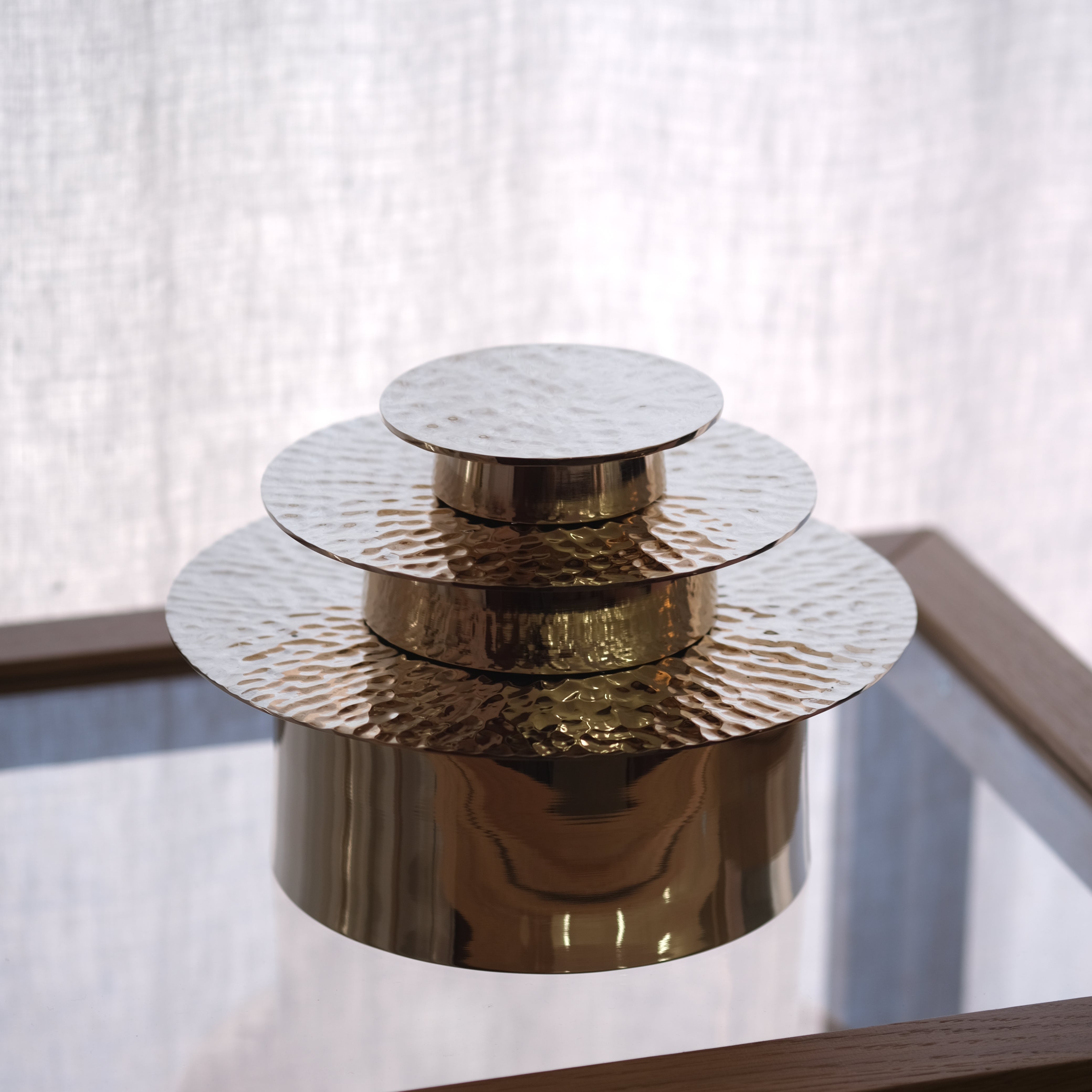
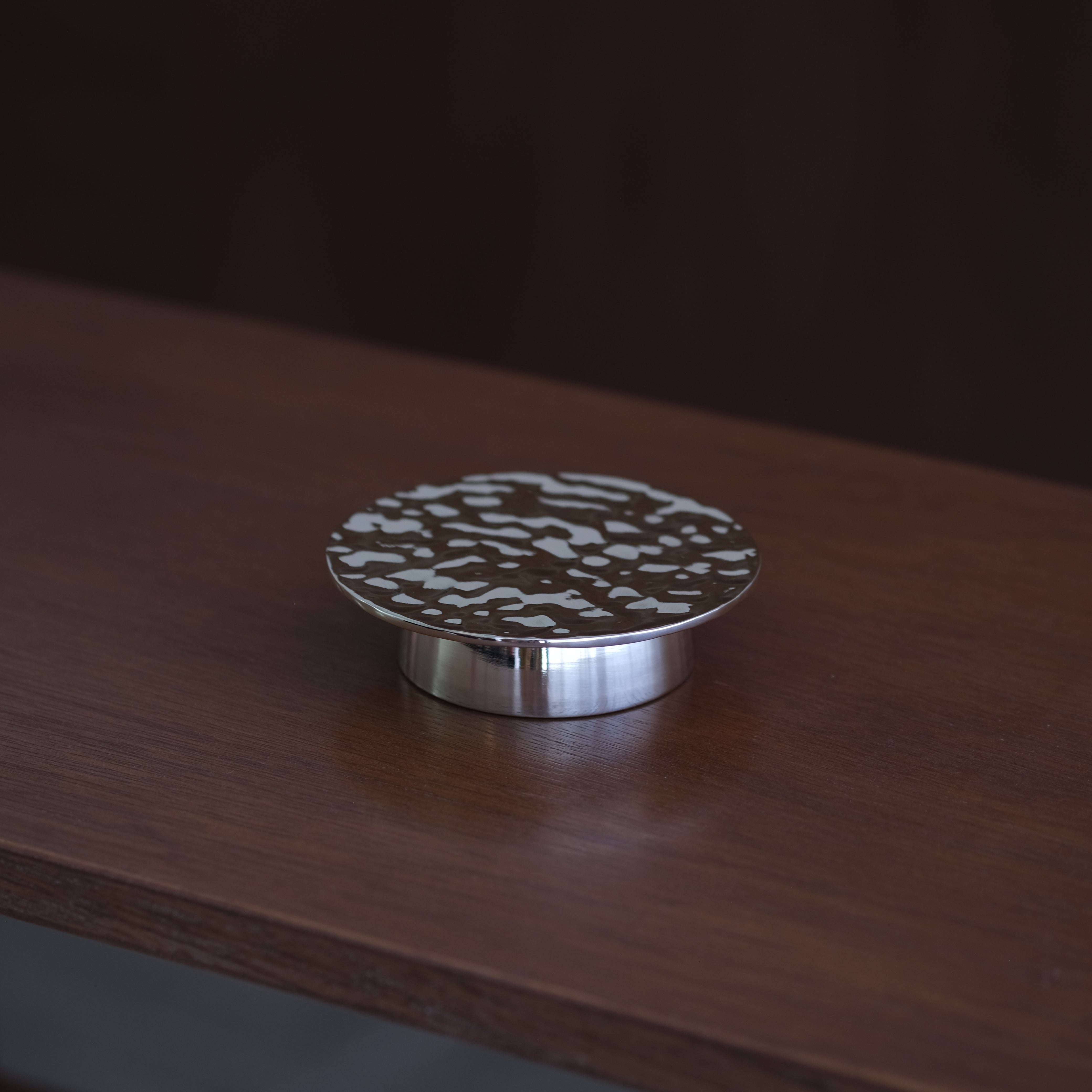
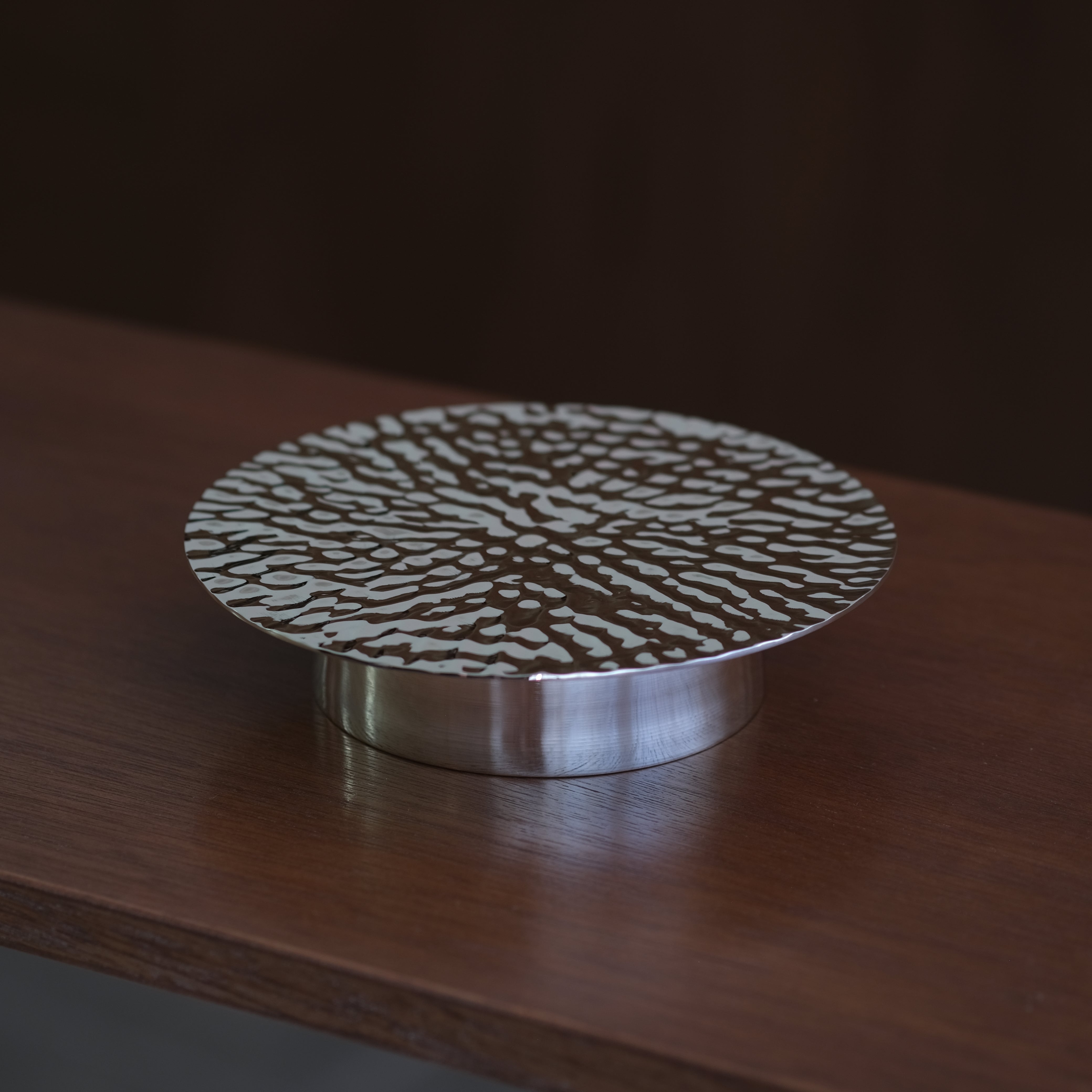
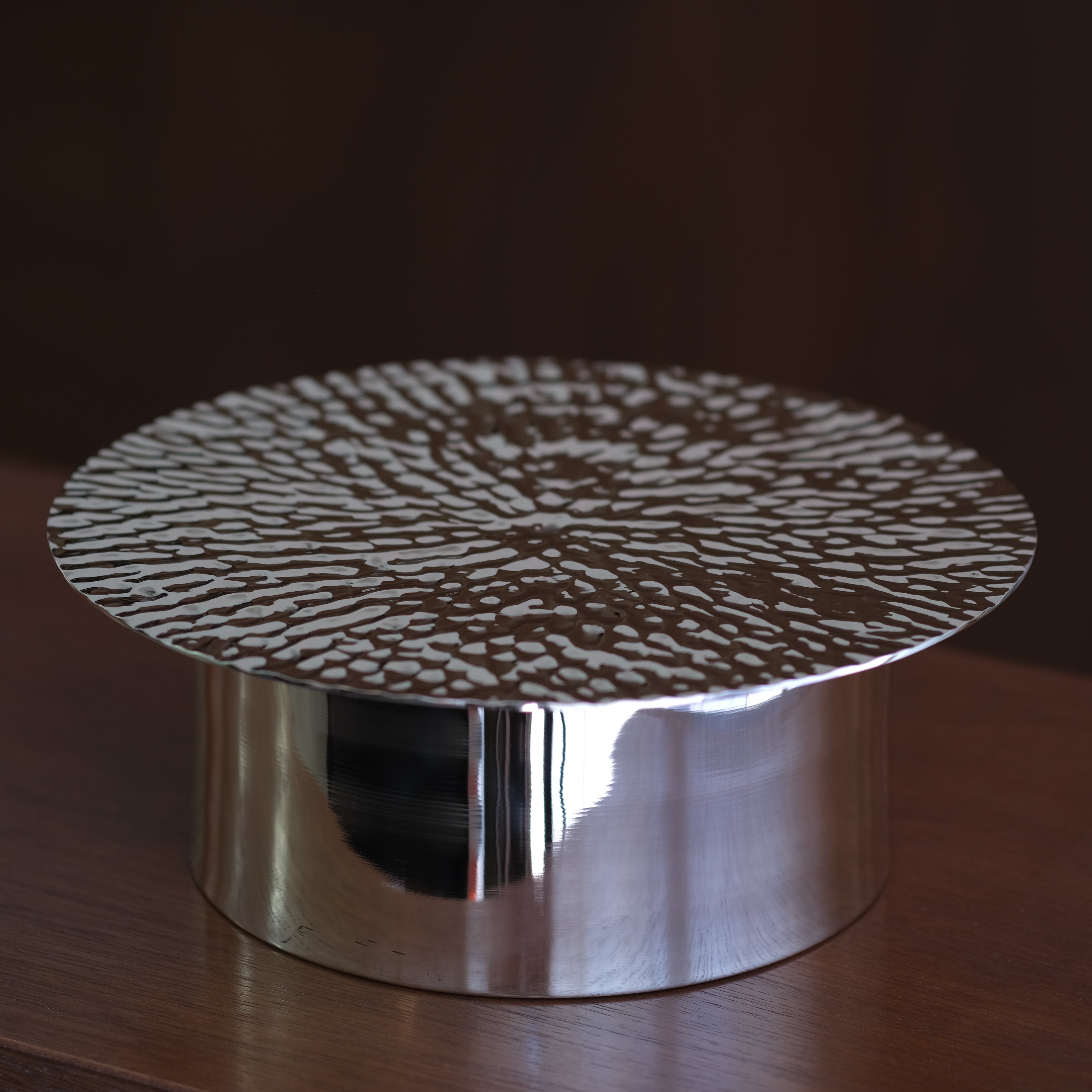
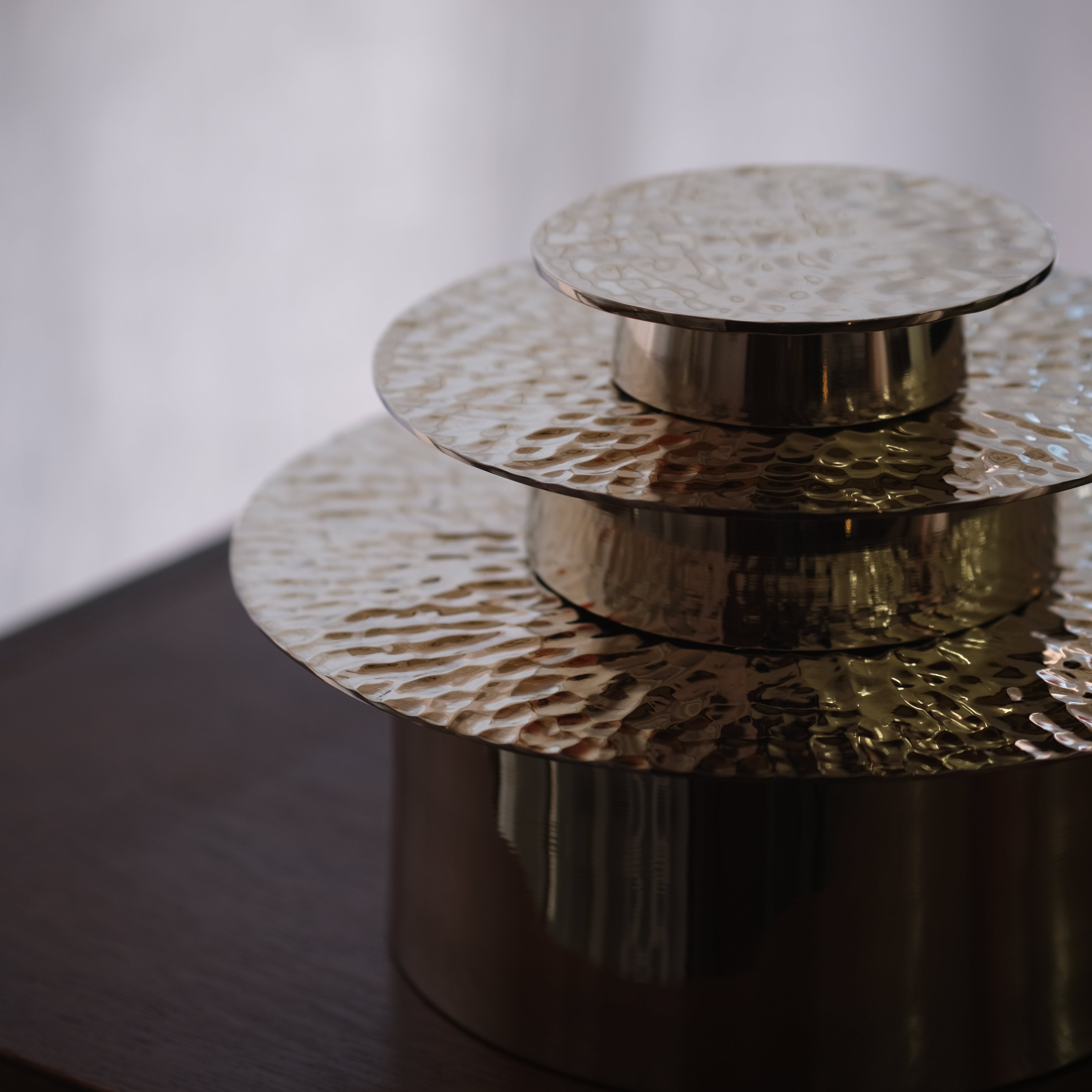
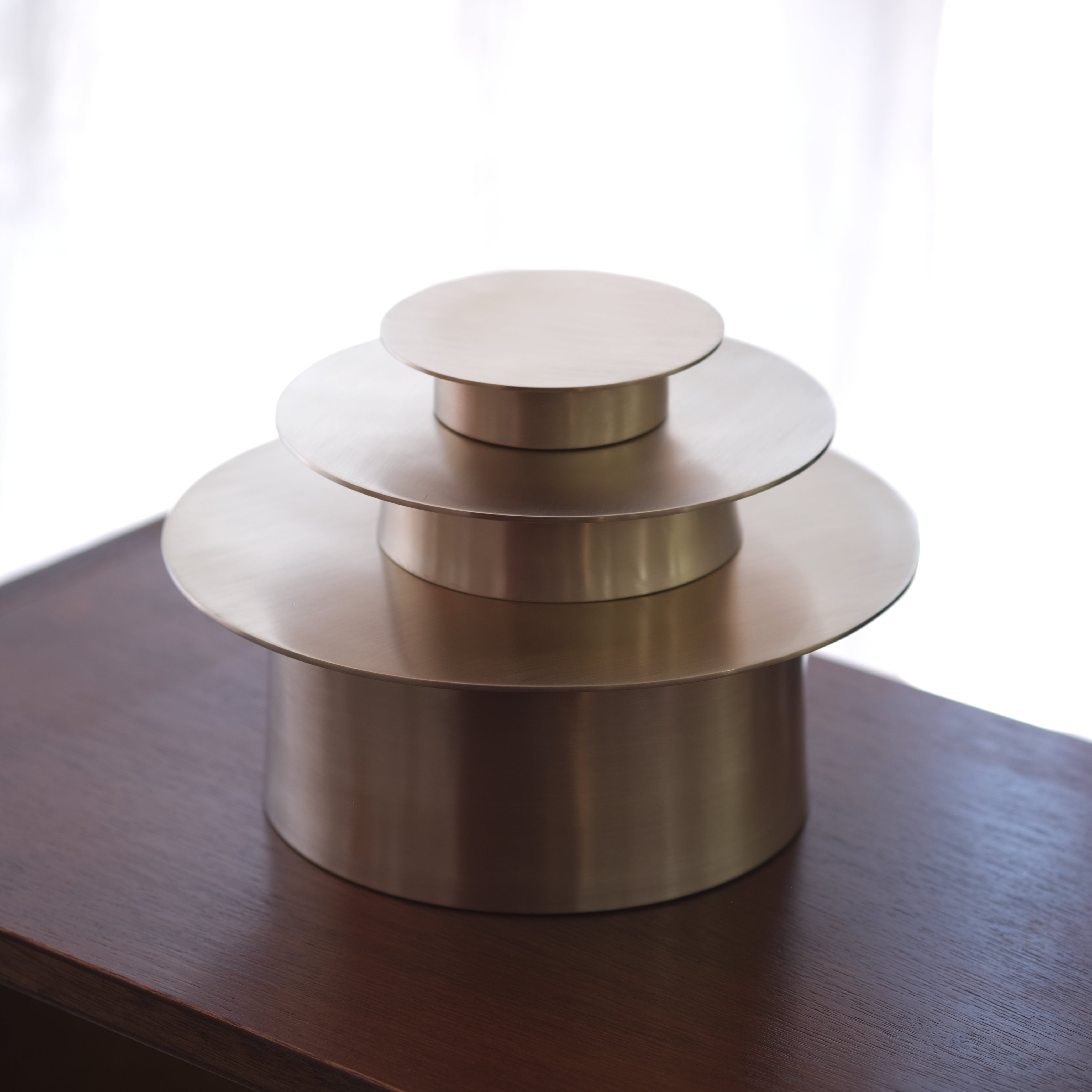
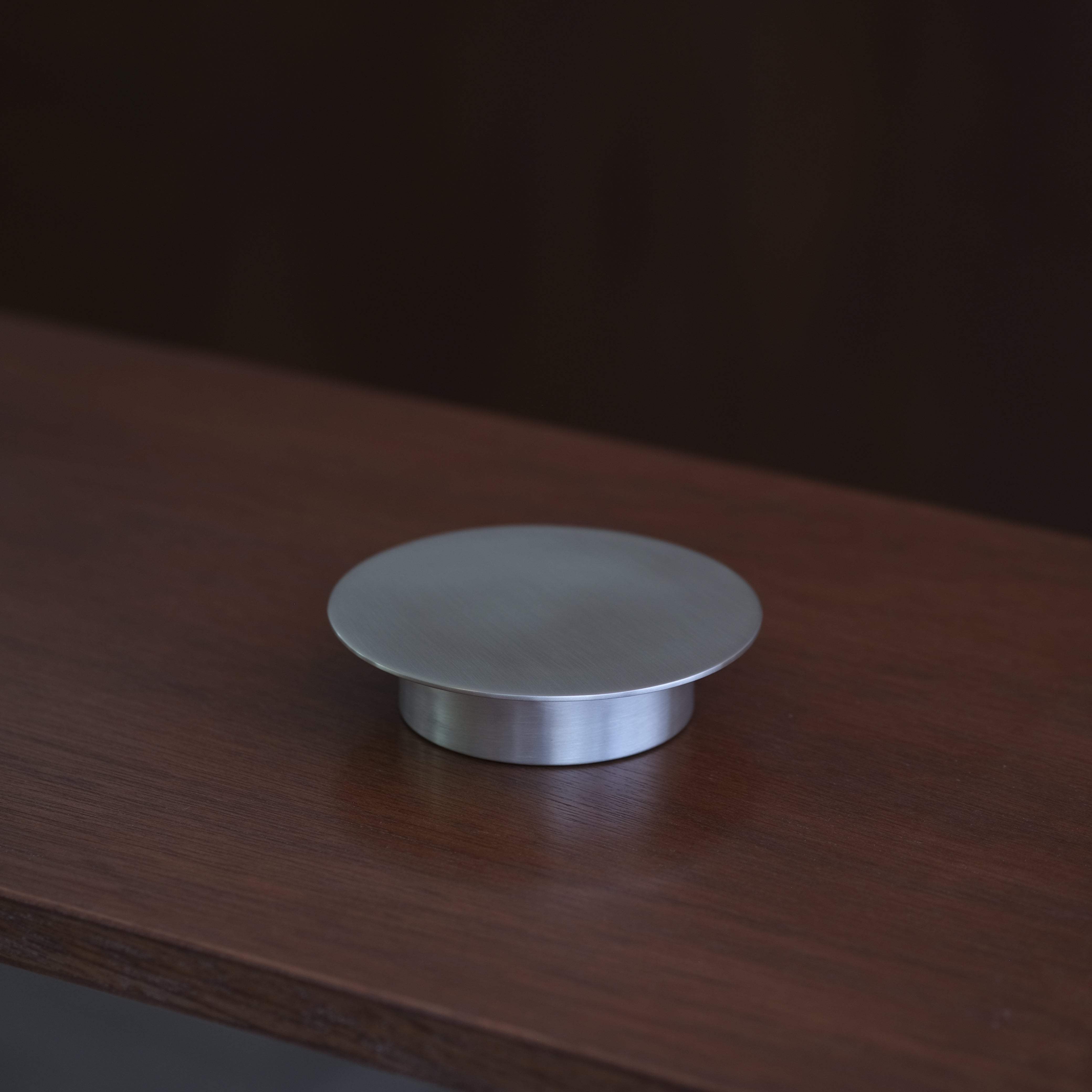
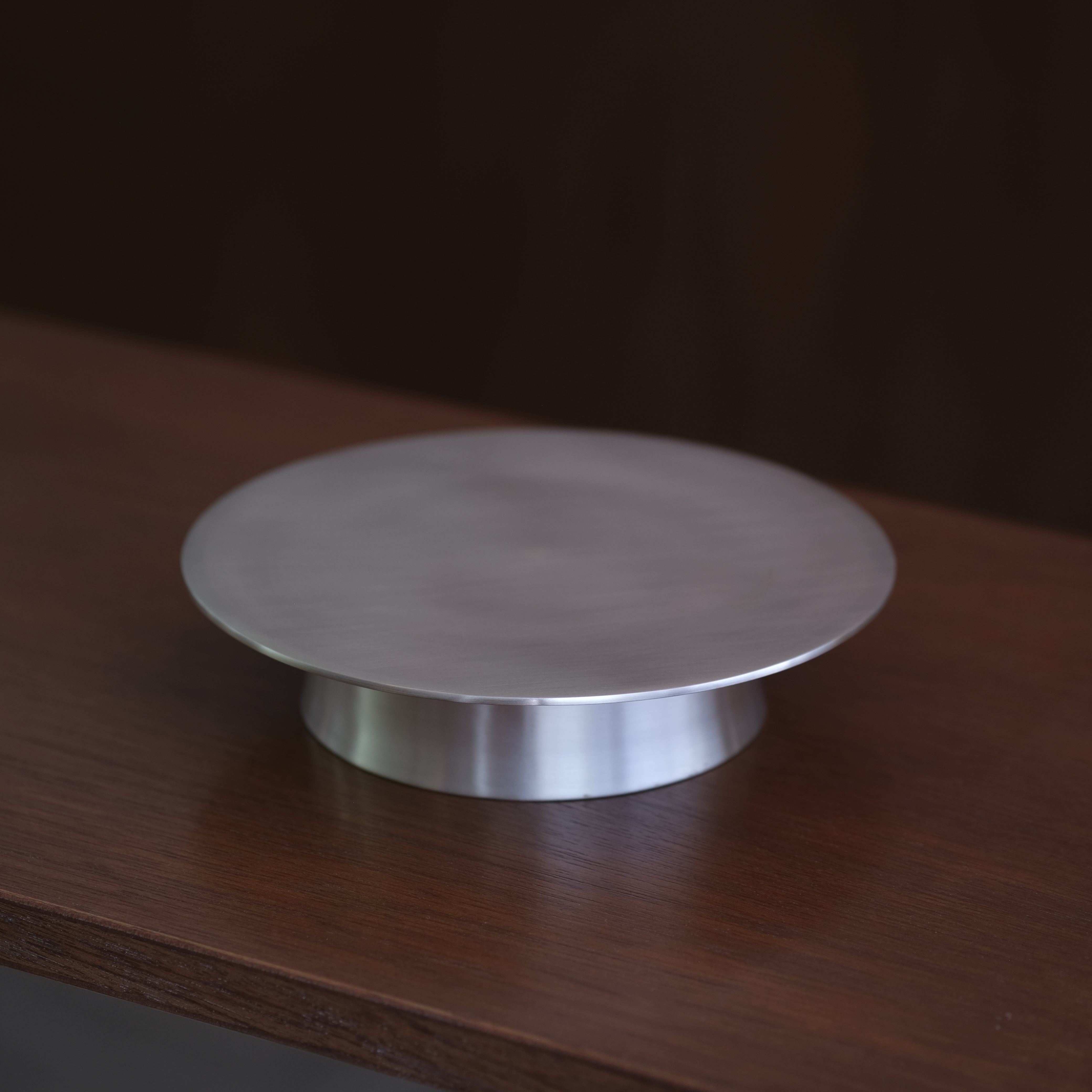
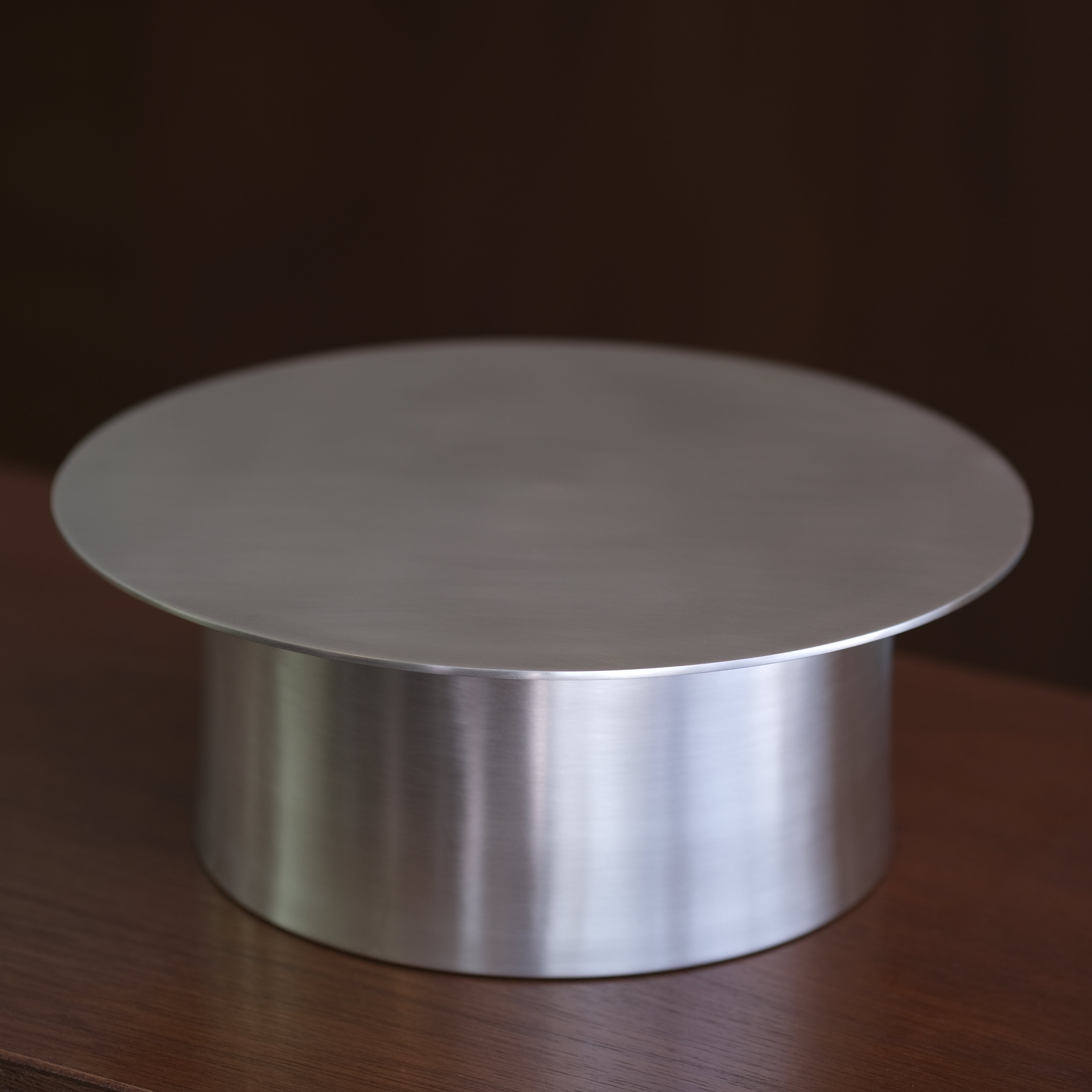
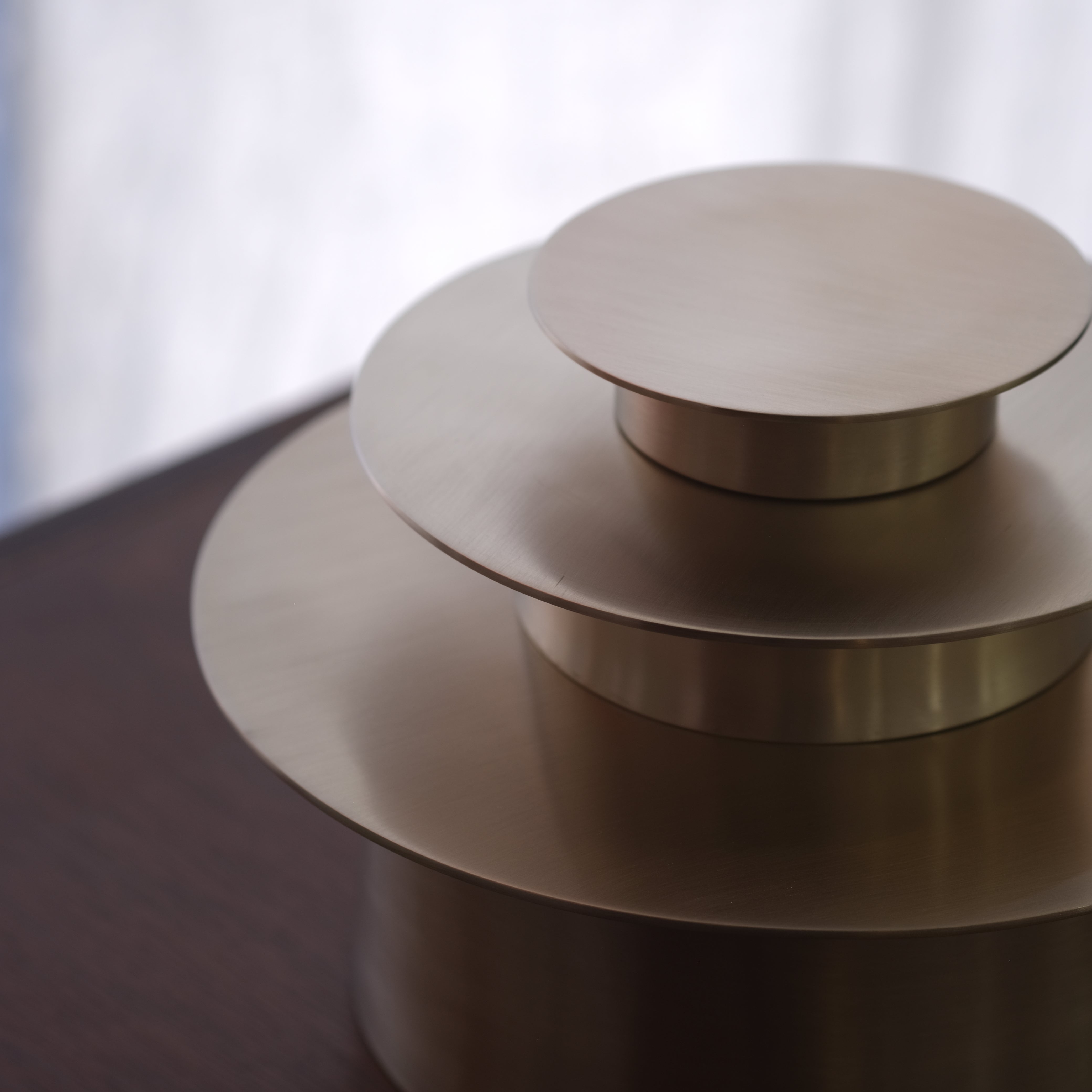
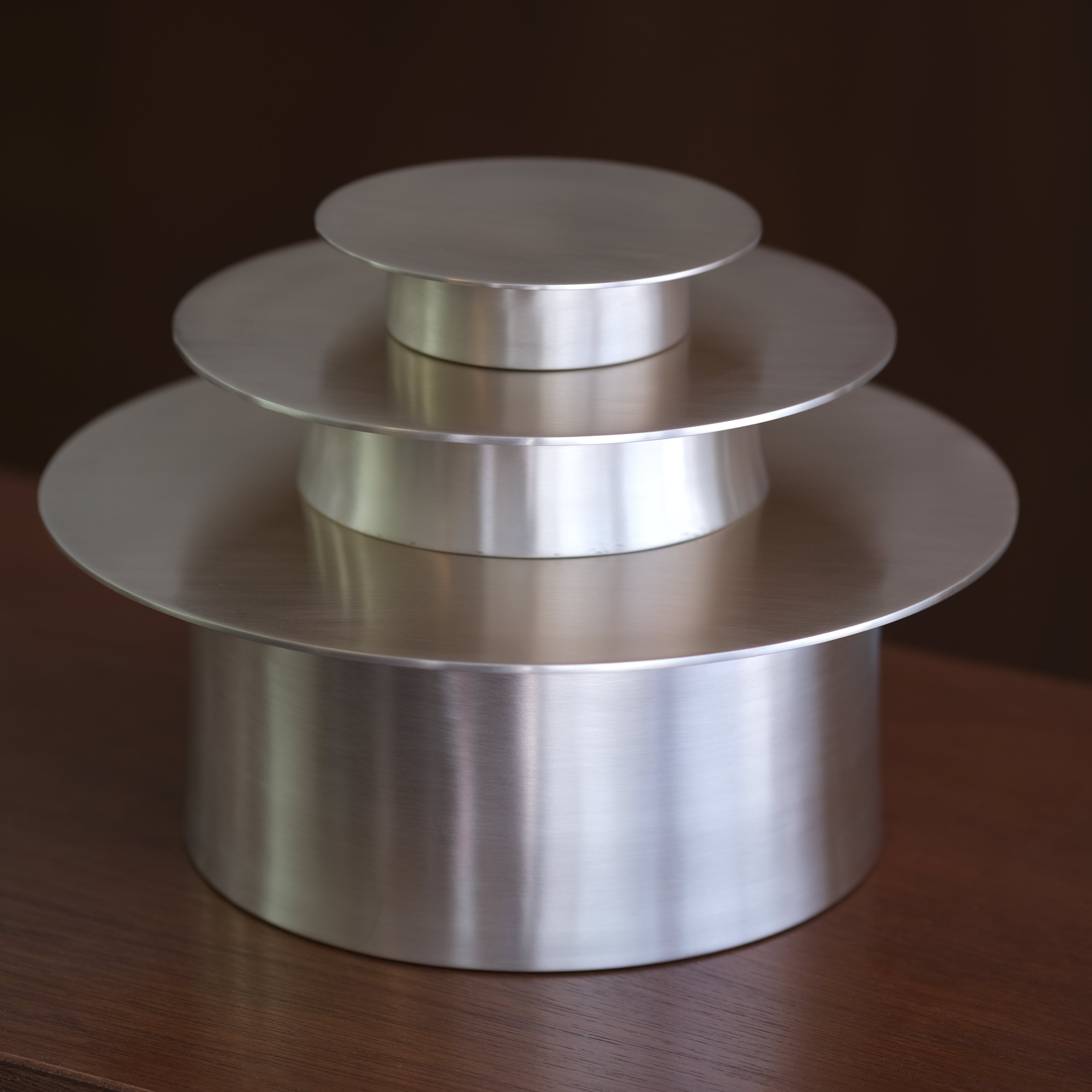
For example, I used bangjja yugi tableware by artist Lee Jiho. While the forms themselves resemble plates often seen in fine dining, the material reminded me of traditional ceremonial vessels used in Korean ancestral rites. I wanted to interpret that feeling in a subtle and interesting way for guests.
That led to the idea of serving fruit whole, with the tops cut off. I chose oranges and kumquats because they immediately reminded me of Los Angeles, and I wanted the ingredients to feel direct and recognizable.
I think my desserts naturally become a reflection of the stories and experiences I’ve gathered over time.


What feels like the most difficult part of your process?
Creating the menu itself is difficult, but the hardest part is communicating the story and intention behind a dish through only a brief explanation and the food itself.
Because of that, I spend a lot of time thinking about how guests might experience the dish — especially if they come from a different cultural background than my own. I often find myself wondering how I would feel in their position as well. (laughs)
On the other hand, what is your favorite part of the process?
I think many people who cook or make desserts would probably give a similar answer.
The happiest moment is when someone enjoys eating what I’ve made in a genuinely exciting and memorable way.
No matter how many times I refine and revisit a dish, the moment before a guest takes their first bite is always nerve-racking. But seeing their expression brighten a few seconds later is probably the most rewarding moment for me.


What brought you to Copenhagen?
In 2018, I went to the UK to study English and interned at a restaurant while I was there. During that time, I started wanting to stay abroad a little longer, but when my visa expired the following year, I began thinking about where else I could go.
Around that time, Denmark — and Nordic cuisine in general — was receiving a lot of international attention. I thought working at a fine dining restaurant there would be a great learning experience, so I bought a plane ticket, applied for a visa, and moved to Copenhagen.
Thankfully, I was fortunate enough to begin as a stagiaire at Geranium. I was originally supposed to stay for two months, but after only two weeks, I received an offer and officially joined the pastry team.
What feels special about life and working in Copenhagen or Denmark? What makes it unique?
Copenhagen is quite a small city, but it feels incredibly rich in design, architecture, and culture.
One of the things I love most is that you naturally encounter beautiful design and architecture just by walking or riding a bicycle through the city. Being constantly surrounded by those environments allows you to absorb inspiration very naturally.
Another thing I appreciate is the balance between work and rest. After spending long hours working, even sitting quietly in one of the city’s green parks on a day off helps clear my mind and gives me energy to return to work again.

Could you recommend some of your favorite places in Copenhagen?
If you walk around Copenhagen, you’ll notice there are parks everywhere. Personally, my favorite is King’s Garden. Since it was originally the king’s garden, the landscaping feels especially beautiful and carefully maintained compared to many other parks.
Many people probably already know Louisiana Museum, but I still highly recommend it. It’s located right by the sea, and especially during the summer, it’s such a lovely place to spend time after seeing an exhibition — even just sitting outside by the water is enough to make the visit memorable.
Copenhagen is also incredibly well known for its bakeries, and personally, I think many of them are as good as those in France. At the bakery where I currently work, Koebenhavns Bageri, I especially recommend the sourdough bread, croissants, and pain au chocolat. I’d also recommend Juno the Bakery for their soft seasonal jam buns.
There are so many wonderful restaurants in Copenhagen, but whenever friends ask me where they should try traditional Danish food, I always recommend Restaurant Møntergade for smørrebrød and snaps.
How did the idea for this LA pop-up begin?
There was a pastry shop in Korea where I previously worked as a head chef, and the owner of Quat used to visit as a guest. We reconnected later while I was working at Noma.
As we talked more, I learned that Quat was operating reservation-based coffee courses, which I found really interesting. From there, we naturally began discussing the idea of creating a course-style pop-up experience centered around dessert and coffee together.


Could you introduce the menu and concept for this pop-up?
I tried to bring together many of the experiences that have shaped me so far. Korean flavors form the foundation of the menu, while California ingredients and the signature drinks from Quat’s sister brands, Kumquat and Loquat, are woven throughout the desserts in a natural way.
The first dish, Welcome to LA, centers around pine nuts and citrus. Pine nuts are an essential garnish in many Korean desserts, known for their rich and nutty flavor. I used them in the form of granita and crumble to bring both texture and freshness, then filled the dish with citrus cheong made from bright seasonal citrus fruits. It’s finished with a pine needle foam and powder.
The second dish is inspired by hwajeon. It includes grilled rice cake, locally made California cheese, and pears infused with coffee and pine resin syrup, finished with flowers.
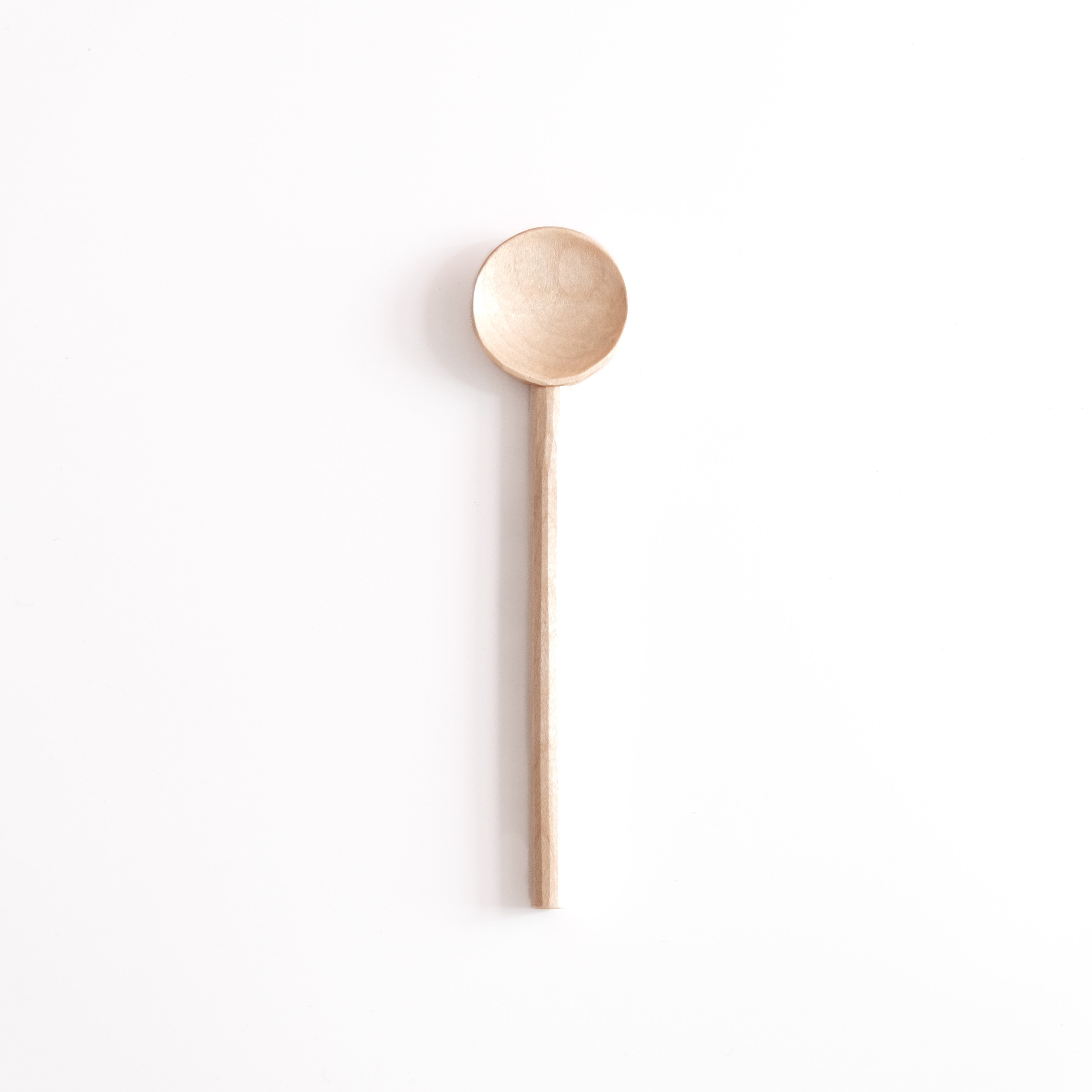
For the third course, I prepared two interpretations of hwachae. One is a small bite served on a wooden spoon by artist Park Hongjun, featuring peaches marinated in maesil cheong and pu-erh tea with a sheep’s milk yogurt ice ball. The plated version brings together lightly sparkling fruits with a broth made from tomato water, maesil cheong, and lemon verbena oil.
The final dessert is a jujube sticky pudding with doenjang caramel, which adds a deep savory richness. On the side, I serve a mascarpone hojicha ice cream so guests can enjoy the contrast between the warm pudding and the cold ice cream together.


What kind of experience do you hope guests will have at this pop-up? Is there anything you hope they pay particular attention to?
There are Korean elements woven throughout the dishes, but I intentionally avoided using overtly traditional Korean forms or imagery.
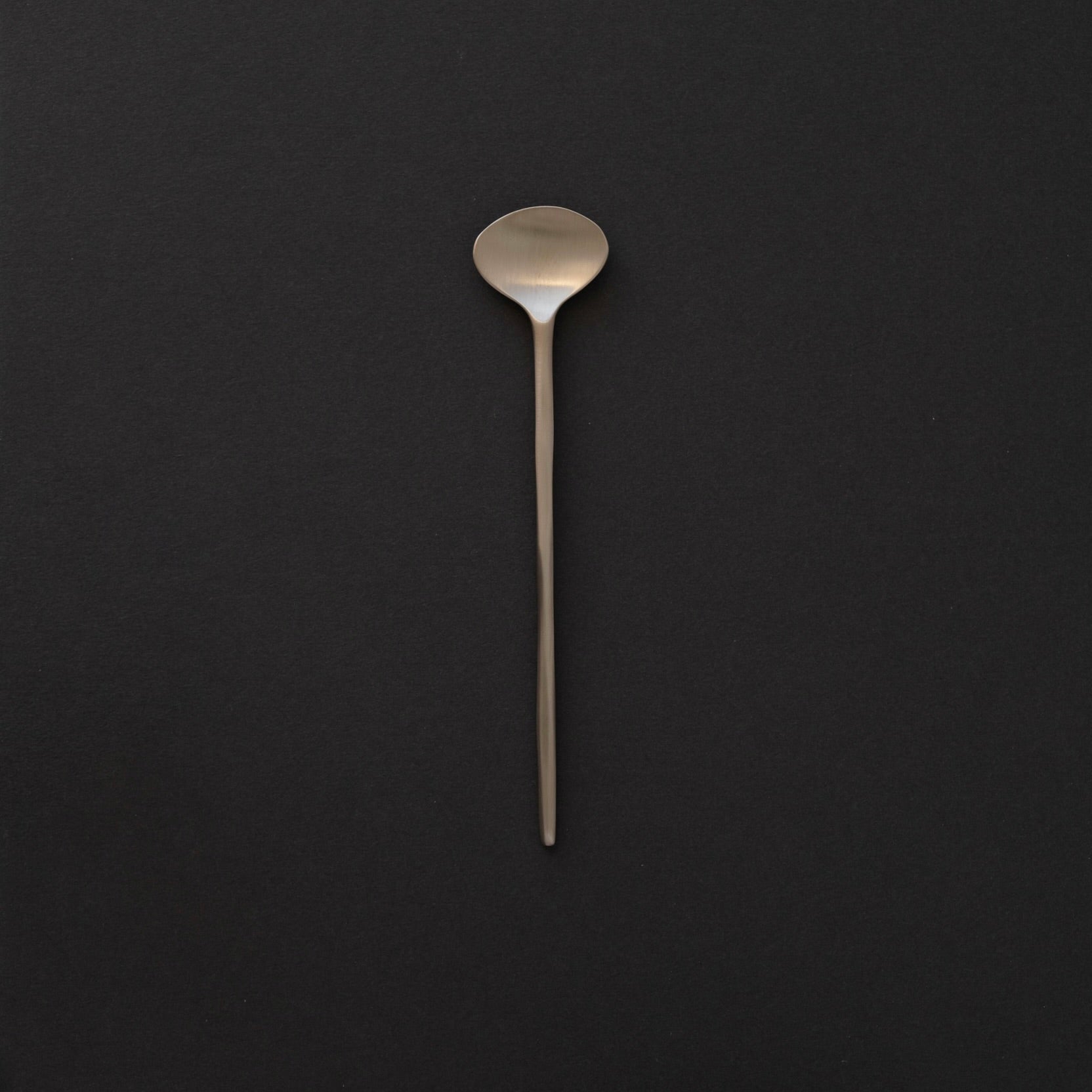
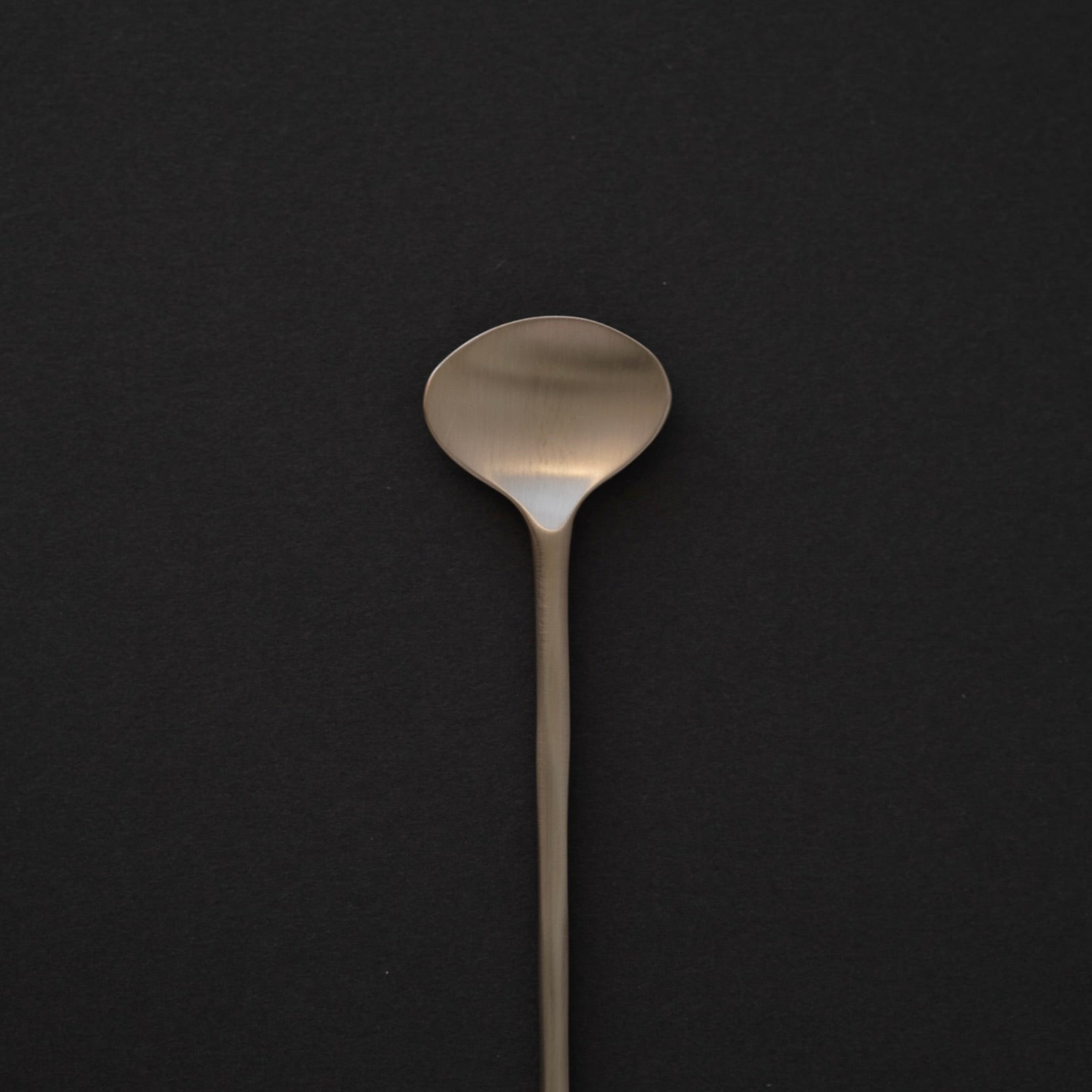
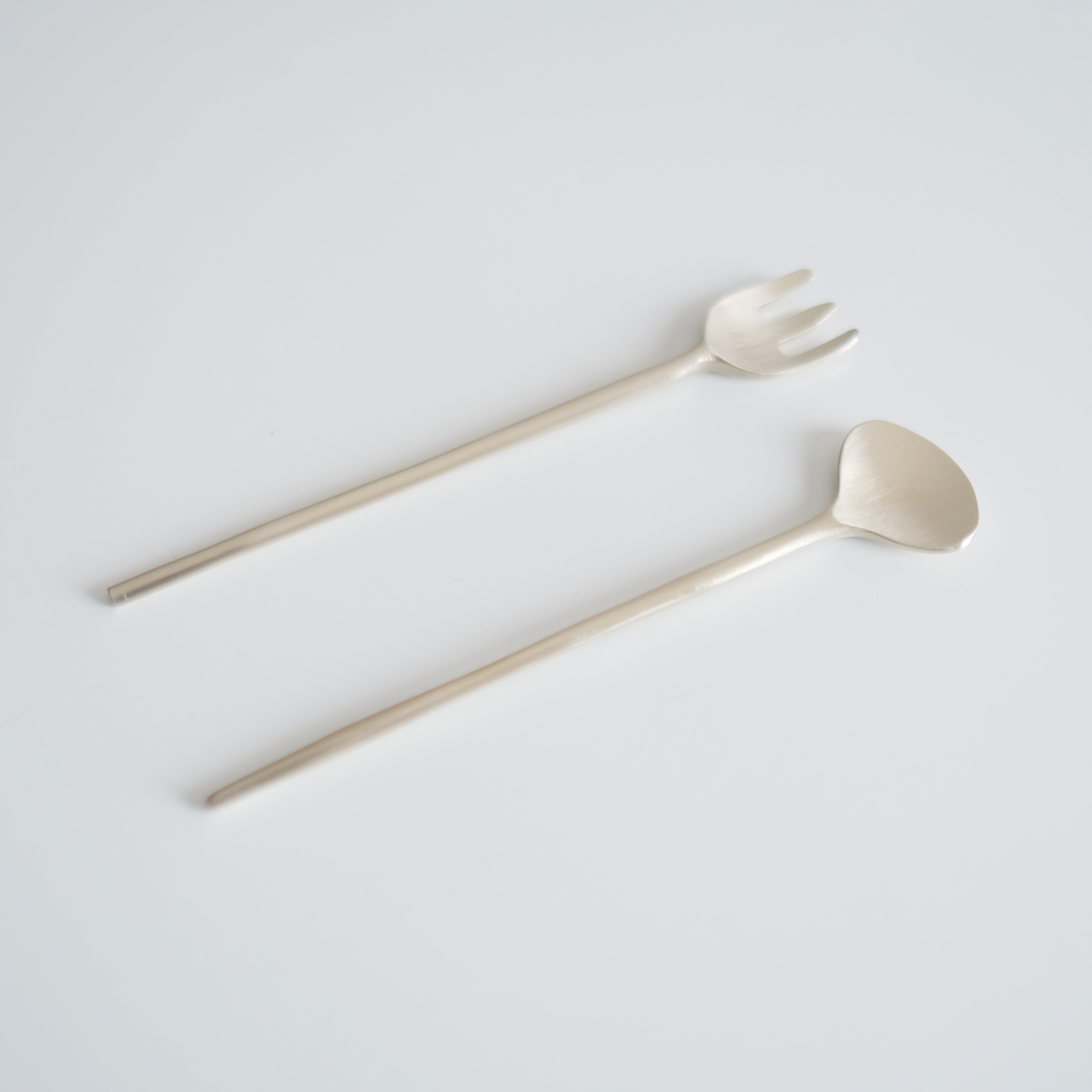
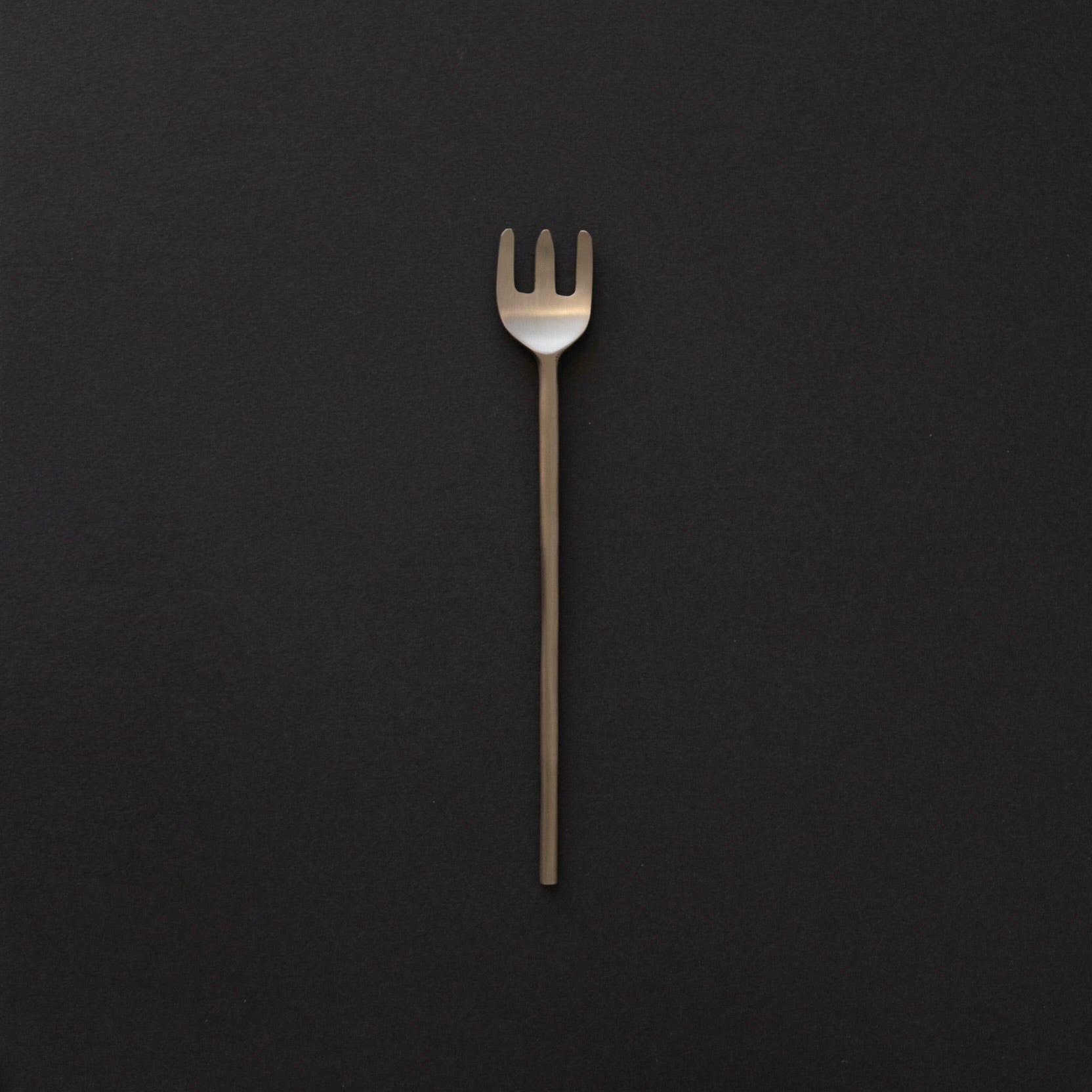
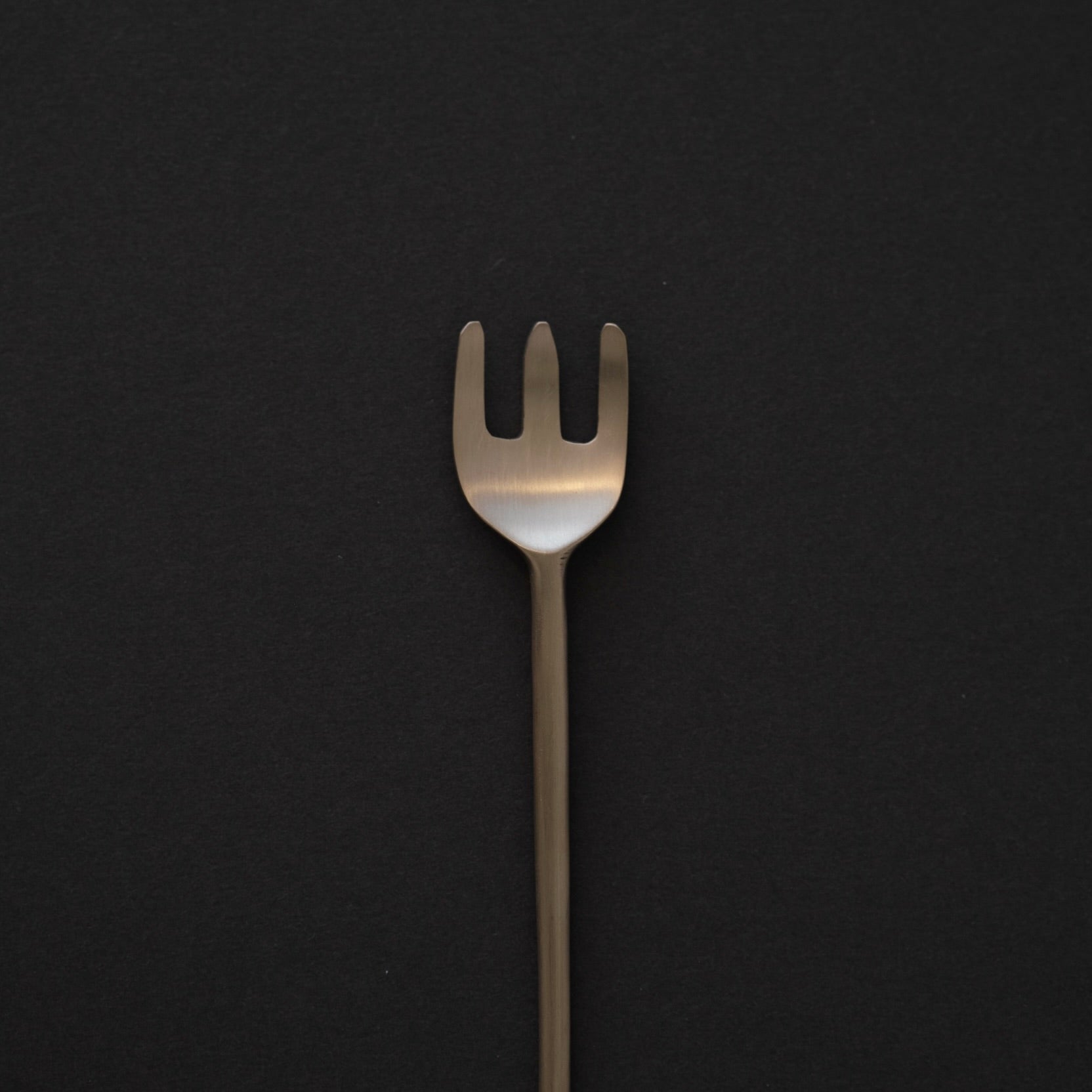
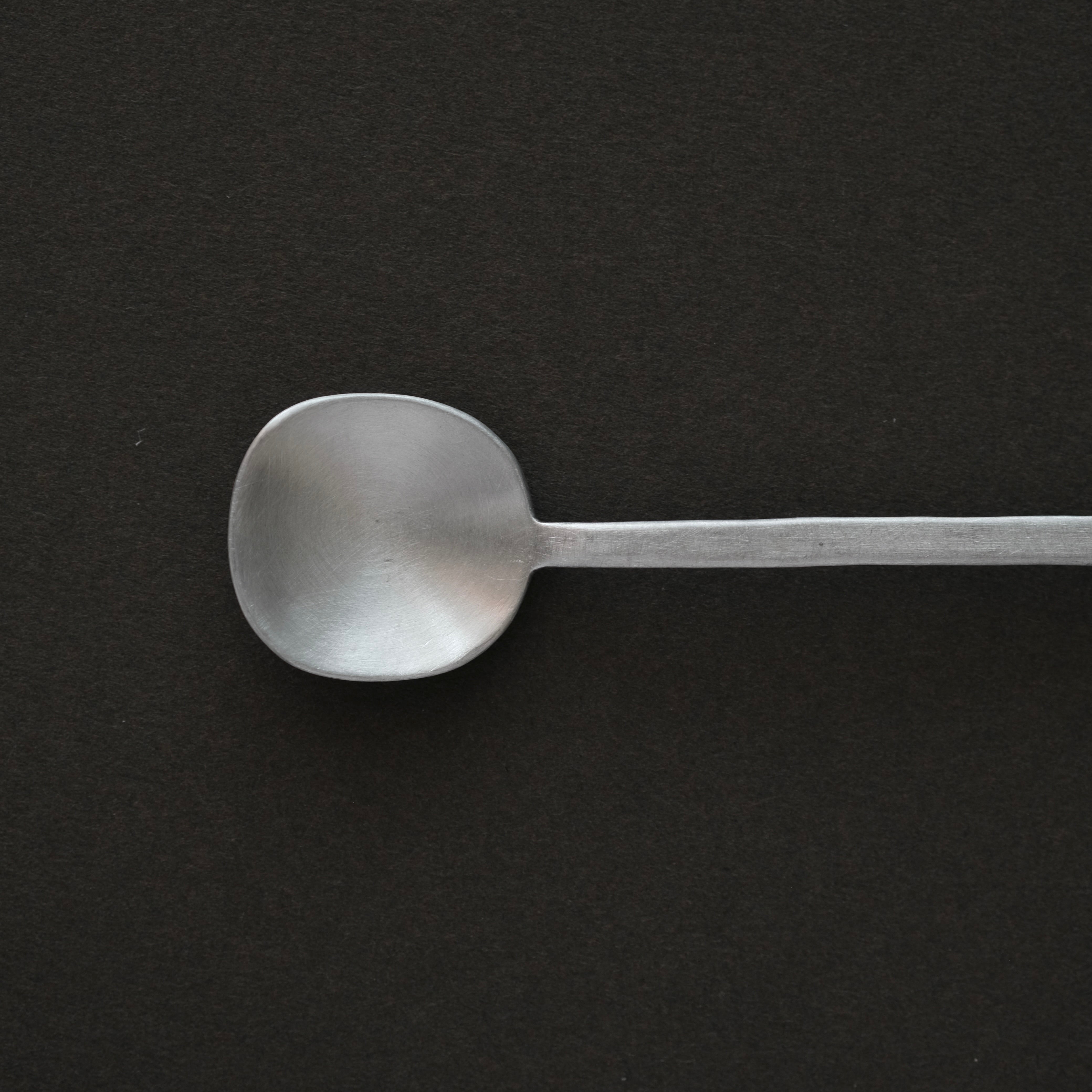
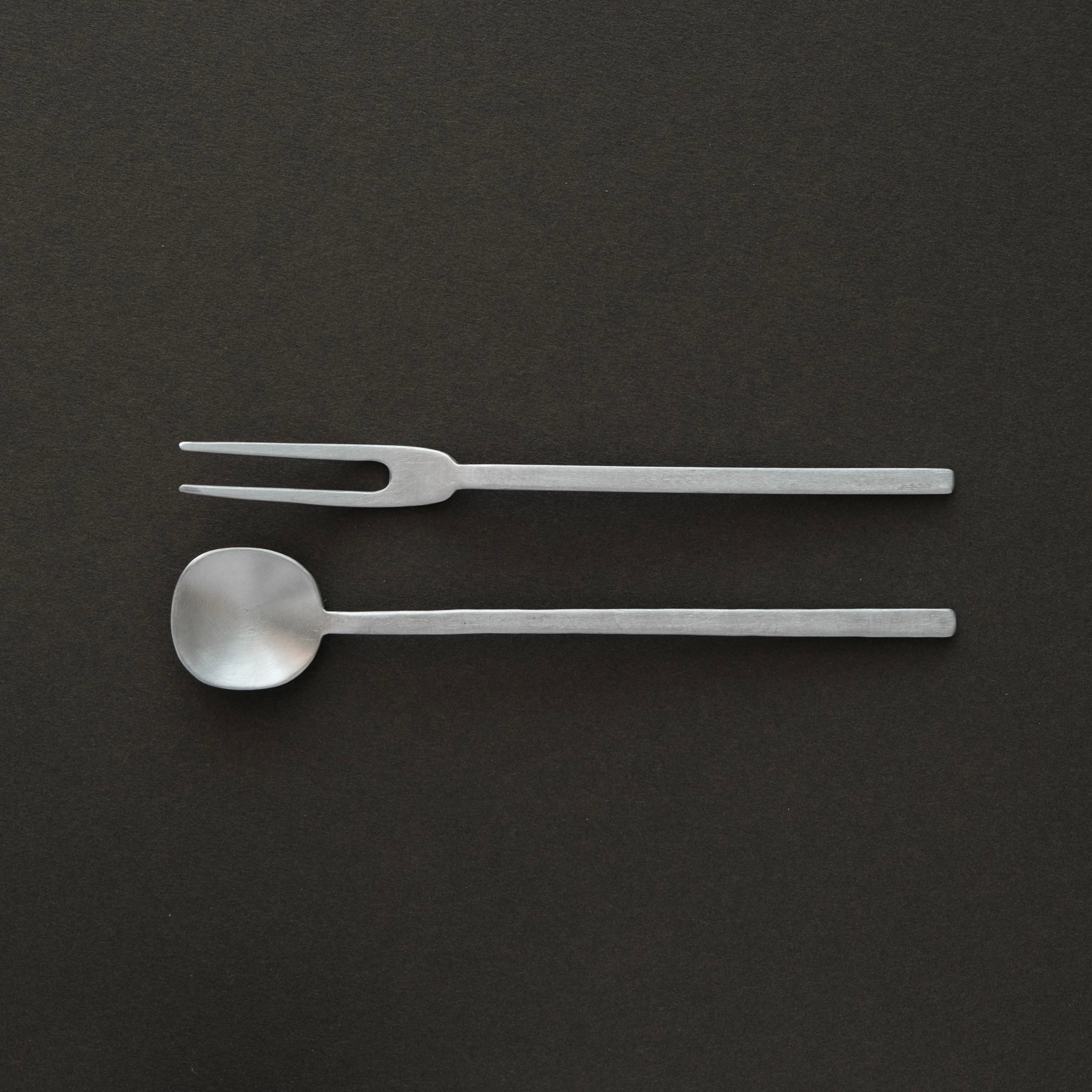
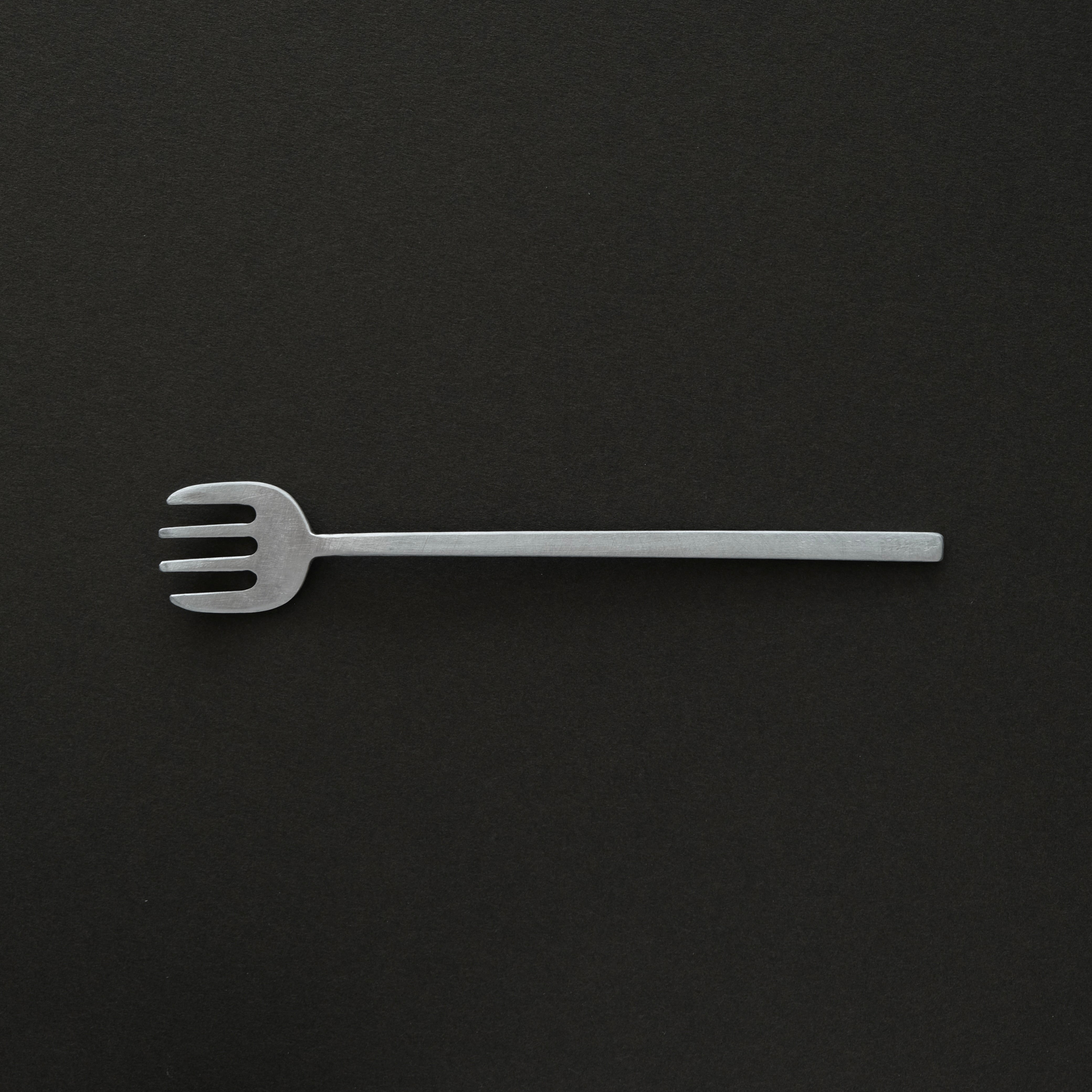
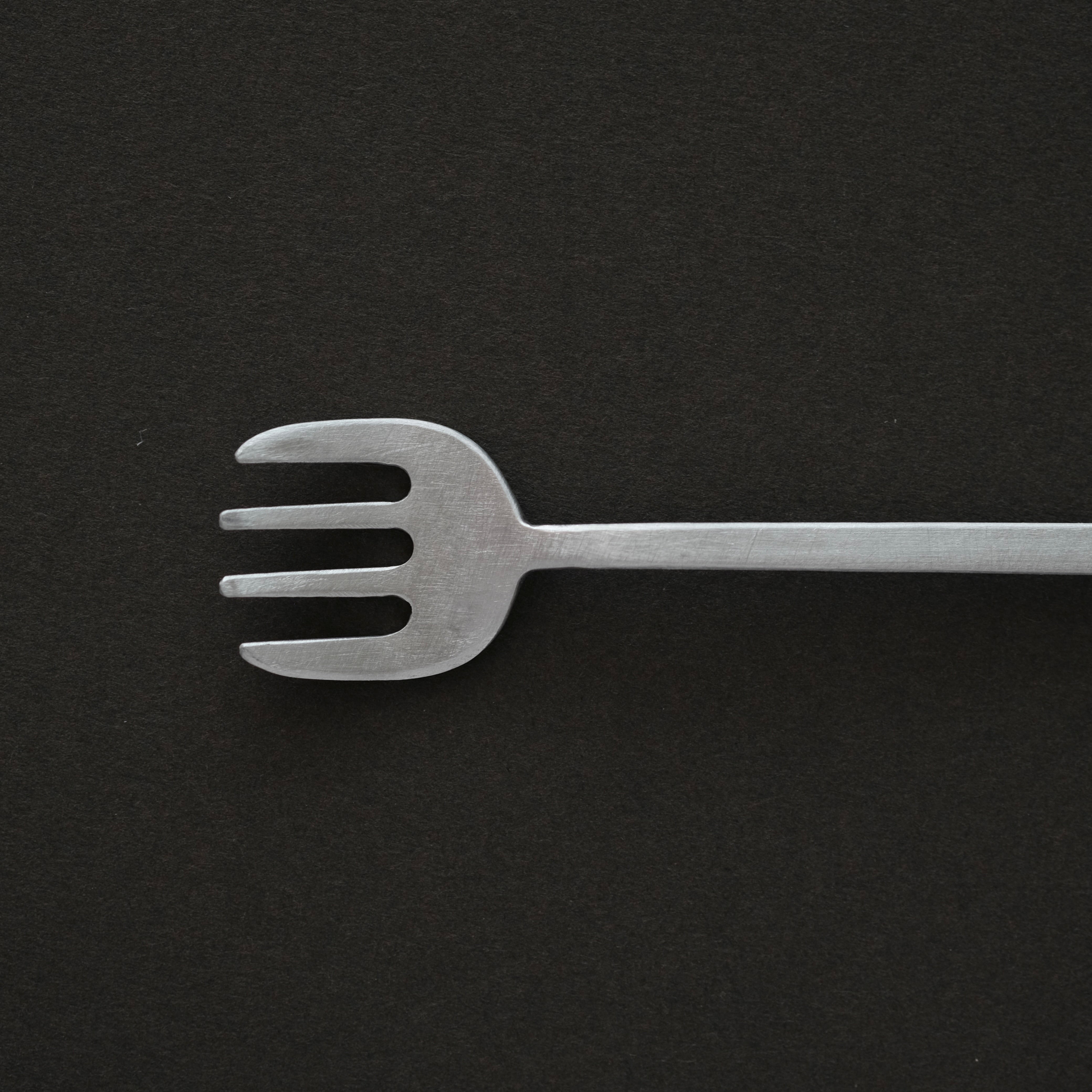
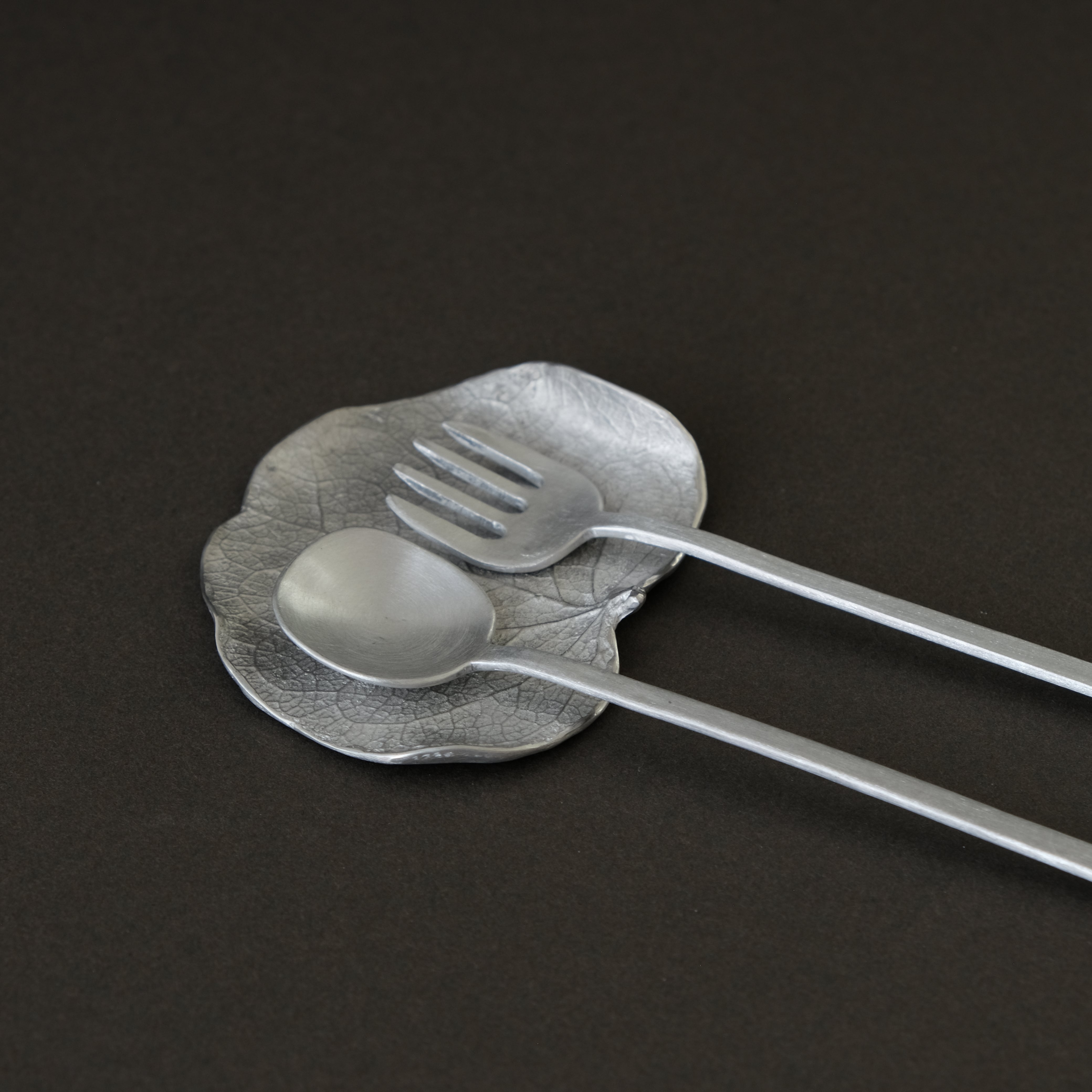
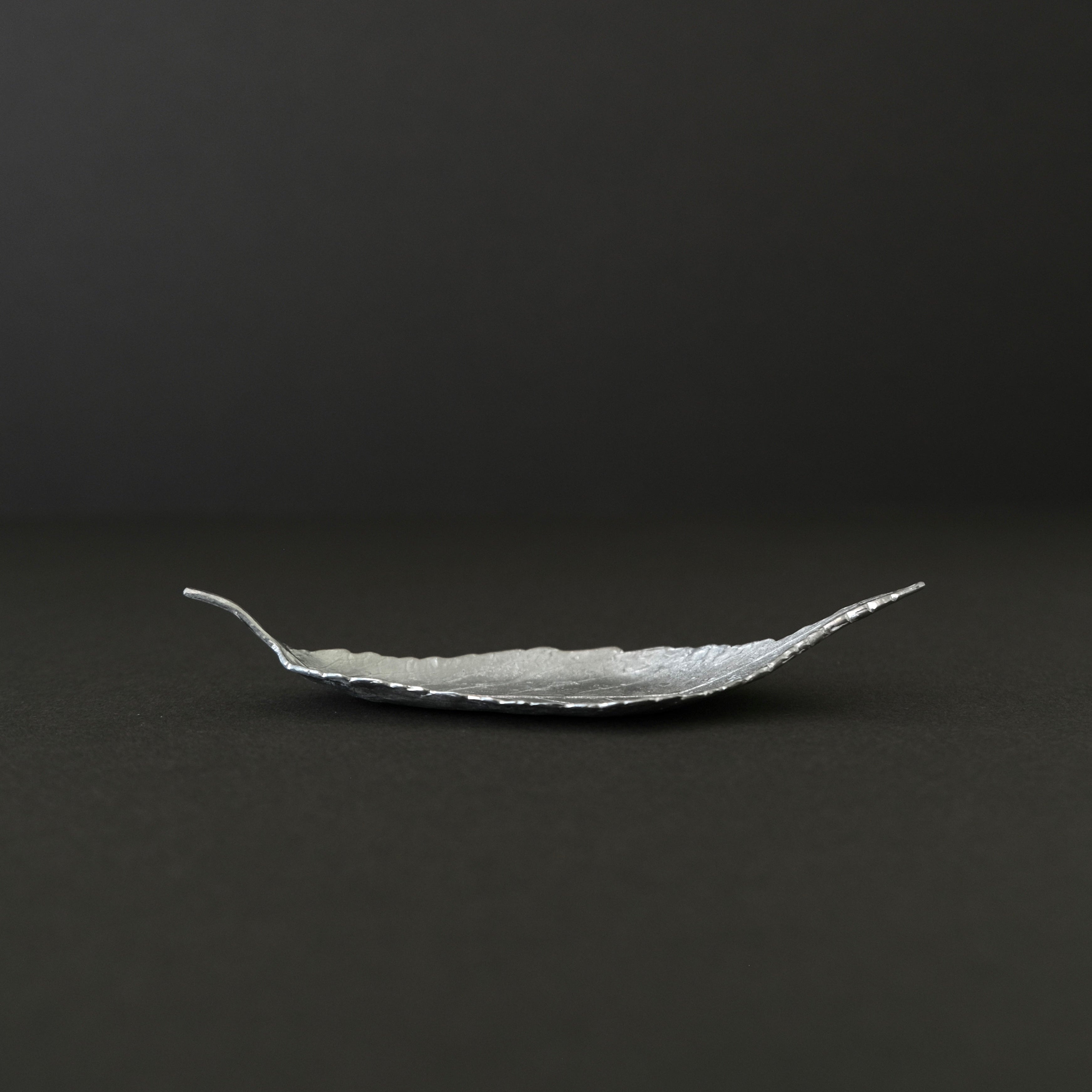
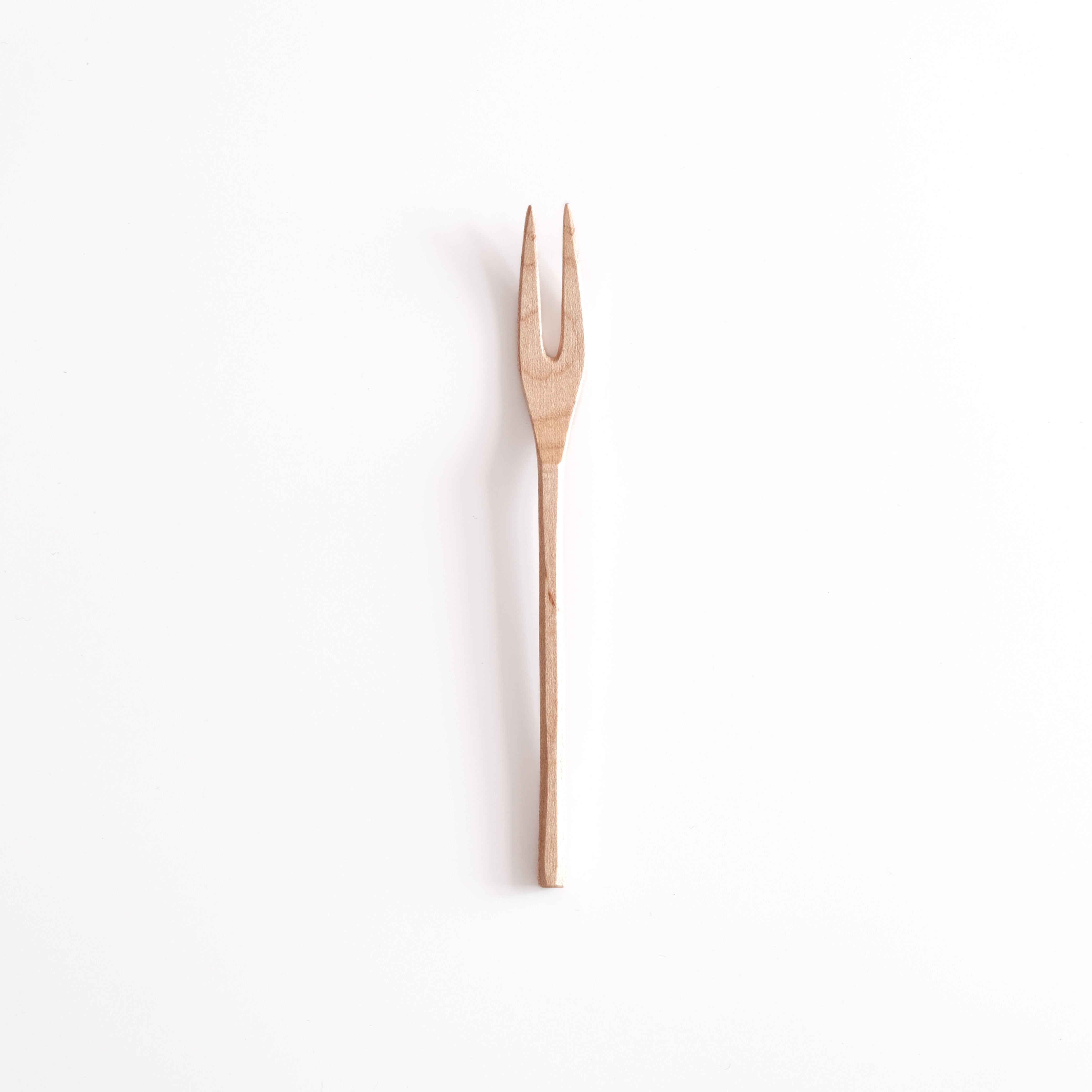
Instead, I focused on expressing Korean sensibilities in a more subtle and metaphorical way. All of the tableware used for the pop-up was made by Korean artists — Bangjja by Jiho Lee, flatware by Studio Foh, and wooden pieces by Hong Jun Park. Throughout the menu, I also incorporated ingredients that feel deeply familiar to many Koreans, such as cheong, rice cakes, certain fruit, and jang.
I hope these small details can evoke a sense of nostalgia or memory for Koreans living abroad, while also becoming a moment of curiosity and discovery for other guests encountering Korean ingredients and flavors for the first time.
Are there any upcoming projects or news you’d like to share?
I’m planning a variety of pop-ups this year. Right after the LA pop-up, I’ll be collaborating with a Danish ceramic artist named Toseibo next month.
Of course, I enjoy collaborating with people in the food industry, but working closely with artists and creating experiences together is also one of my favorite parts of what I do. For the collaboration with Toseibo, I’ll be serving desserts, coffee, and tea using Korean ingredients, presented as a course experience on tableware made by the artist.
In September, I’ll also be doing a pop-up at Ito, a well-known non-alcoholic beverage bar in the Philippines. That event will include both a course format and a more casual takeaway-style experience.
Alongside these course-based events, I’m also planning more casual gatherings and pop-ups throughout the year. I hope people continue to follow along and stay interested in what’s to come. Thank you!