Poetry of Metal: A Moment Held in Eternity
Poetry of Metal marks Foh’s first solo exhibition in the United States. The artist has long referred to her practice by this title — a hope that the objects encountered in daily life might approach us like a poem.
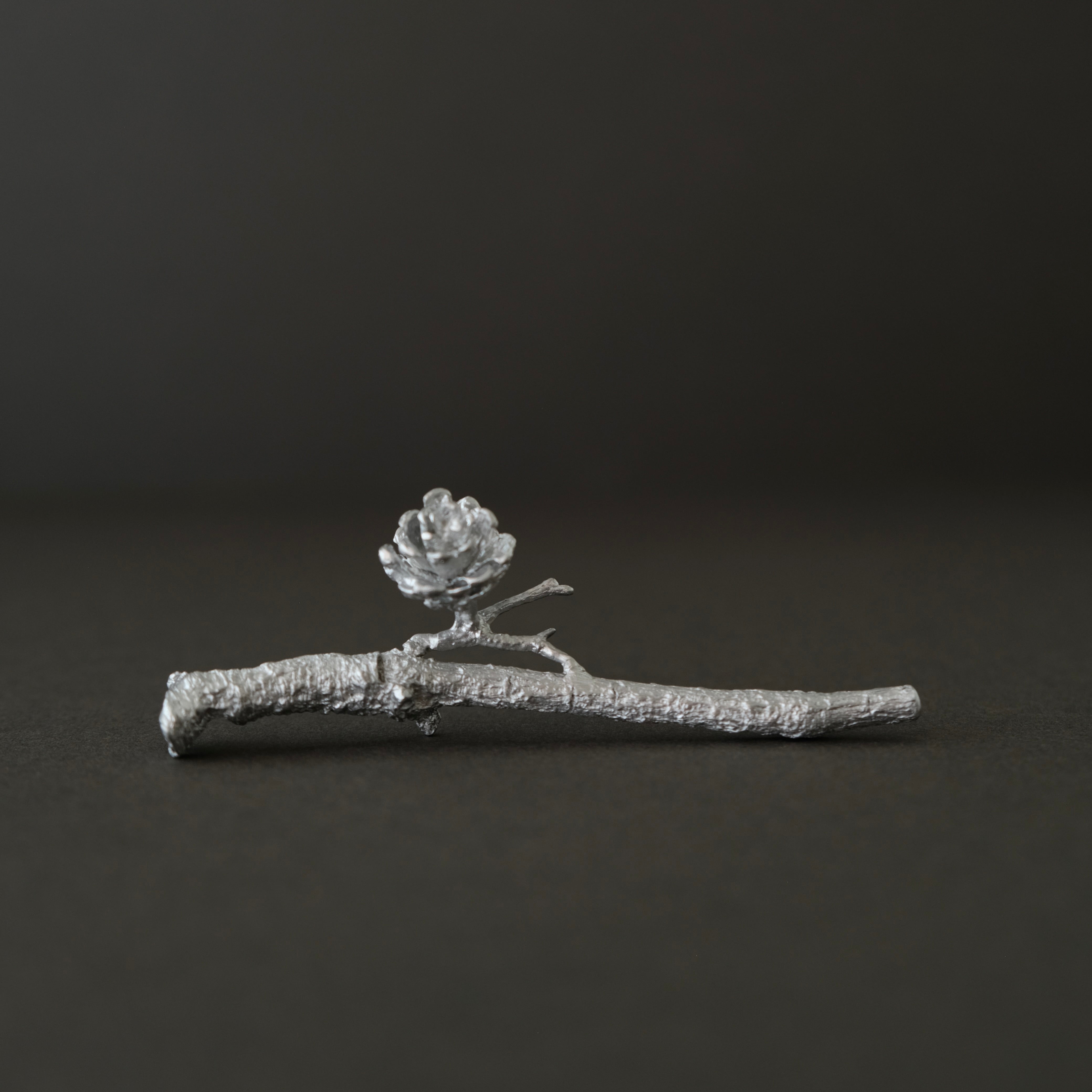
“I read the sentences of nature in the broken stems of grass, the perforated tracks of worm-eaten leaves, and the coarse grains of crumbling bark. My work endows these fragile, serene records of nature with the eternal materiality of metal.”
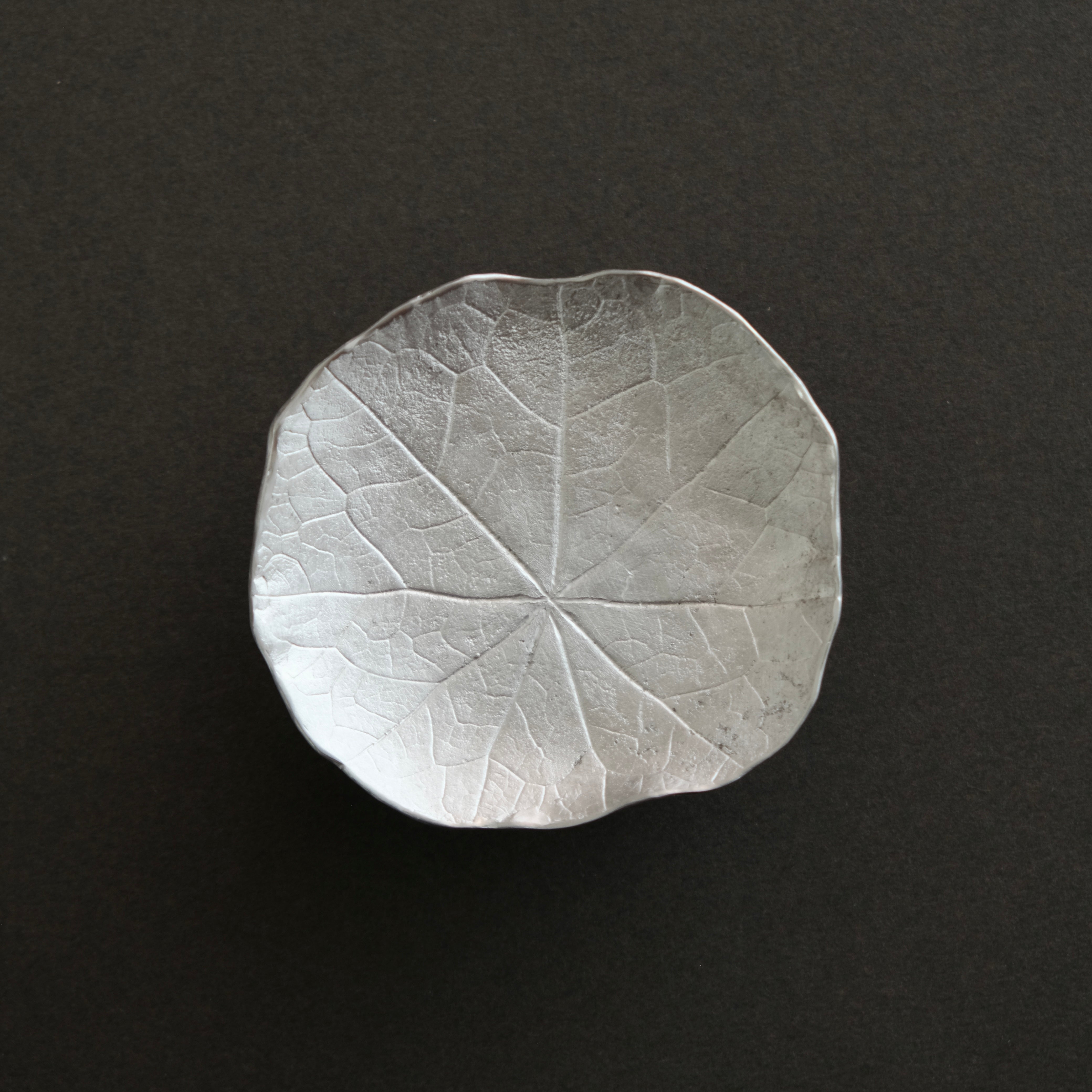
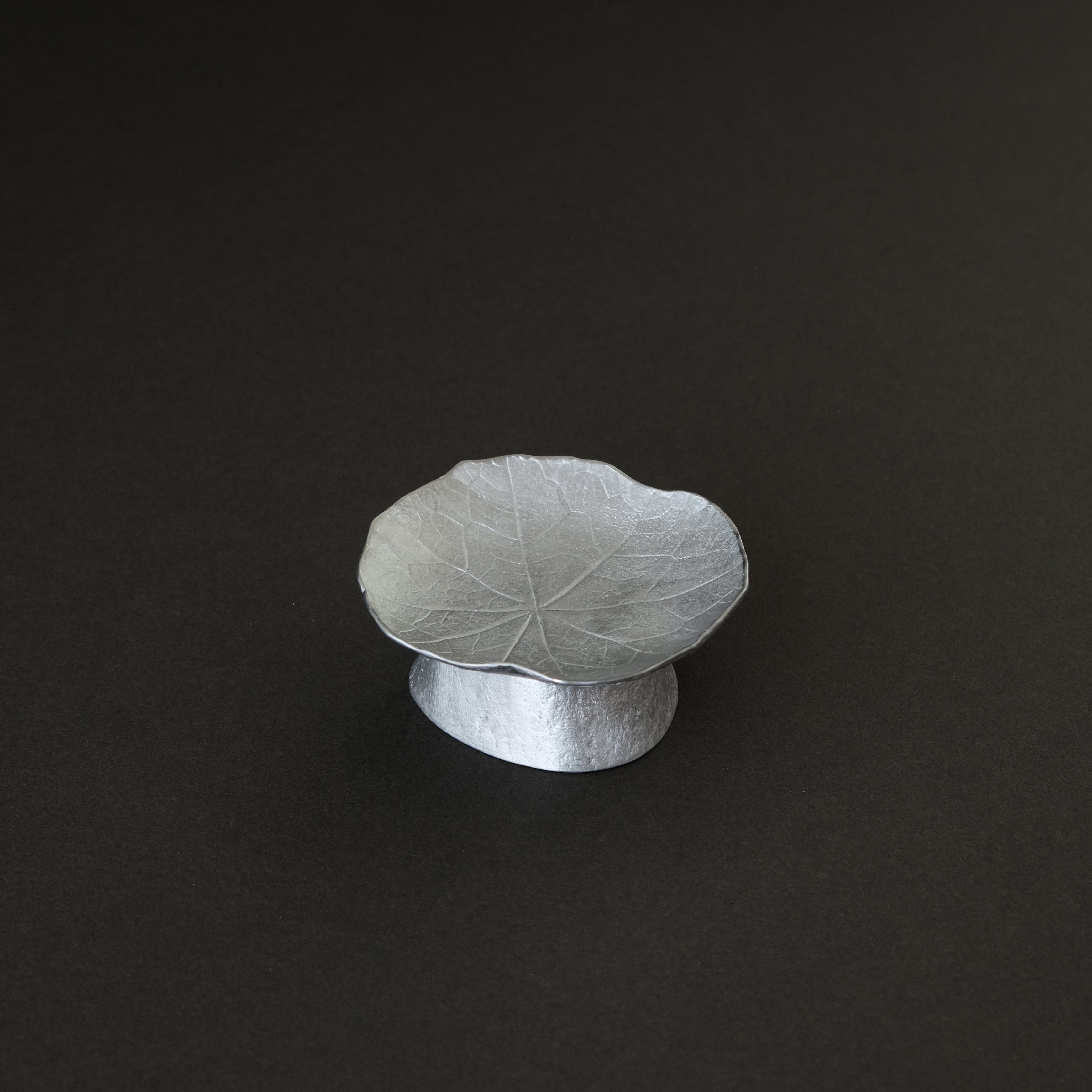
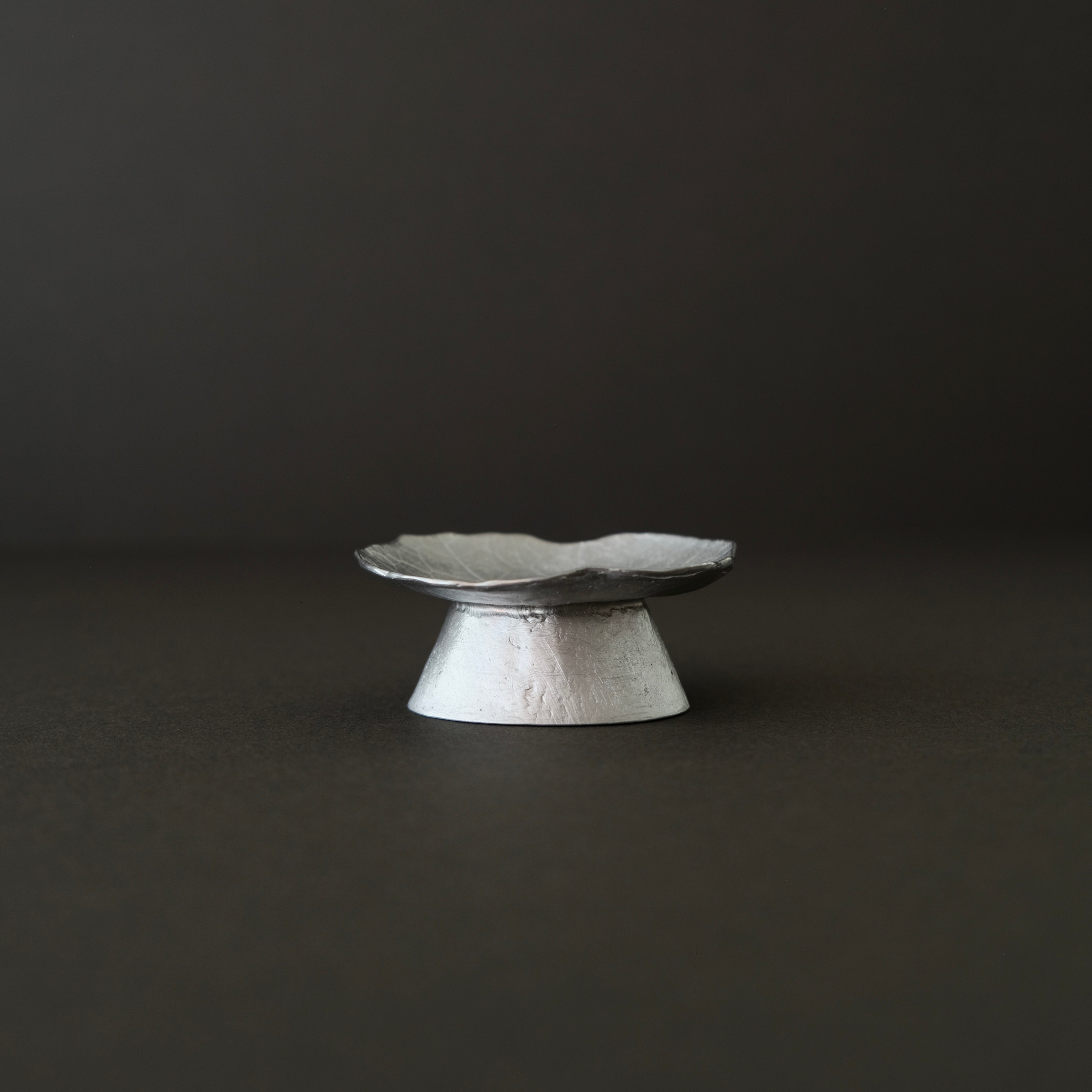
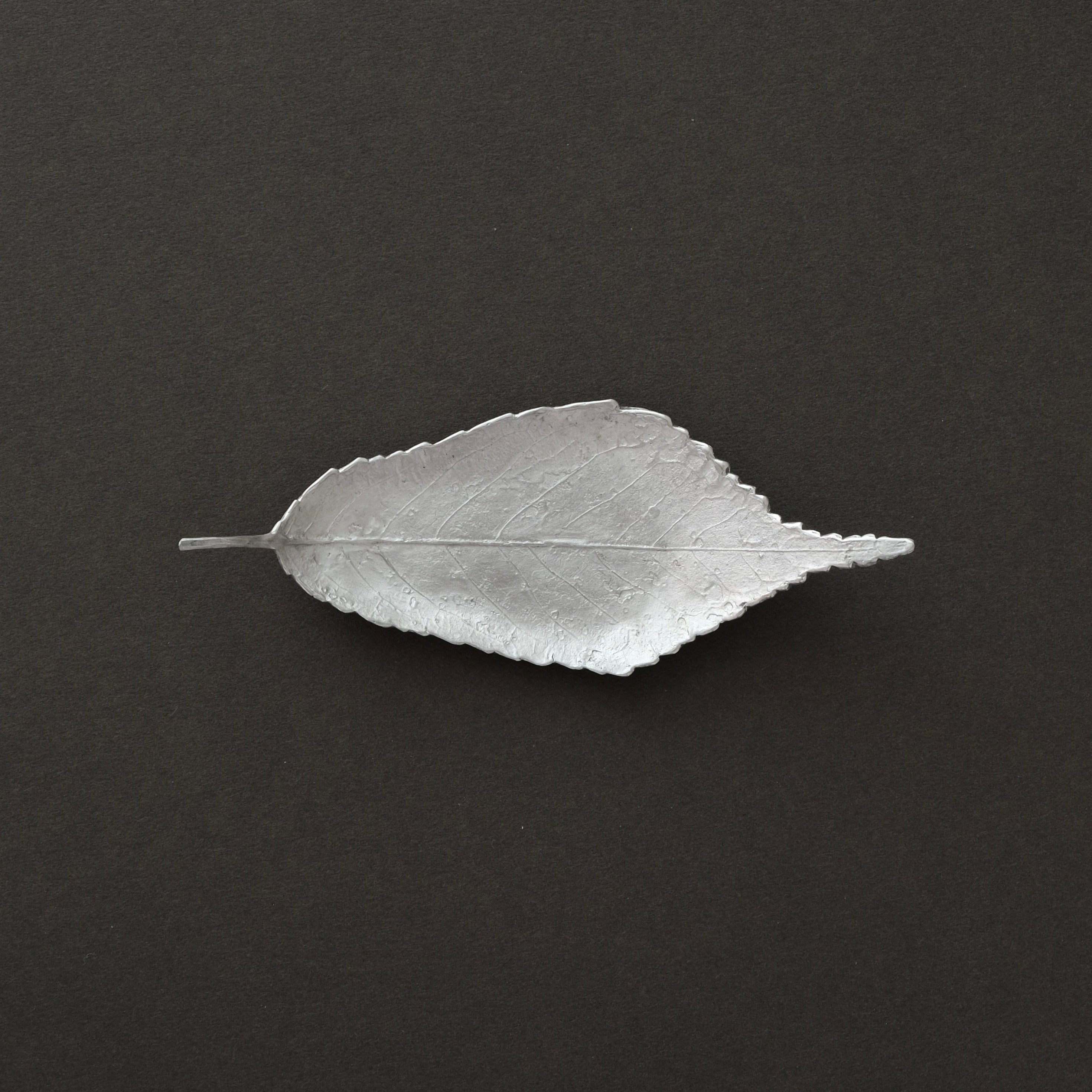
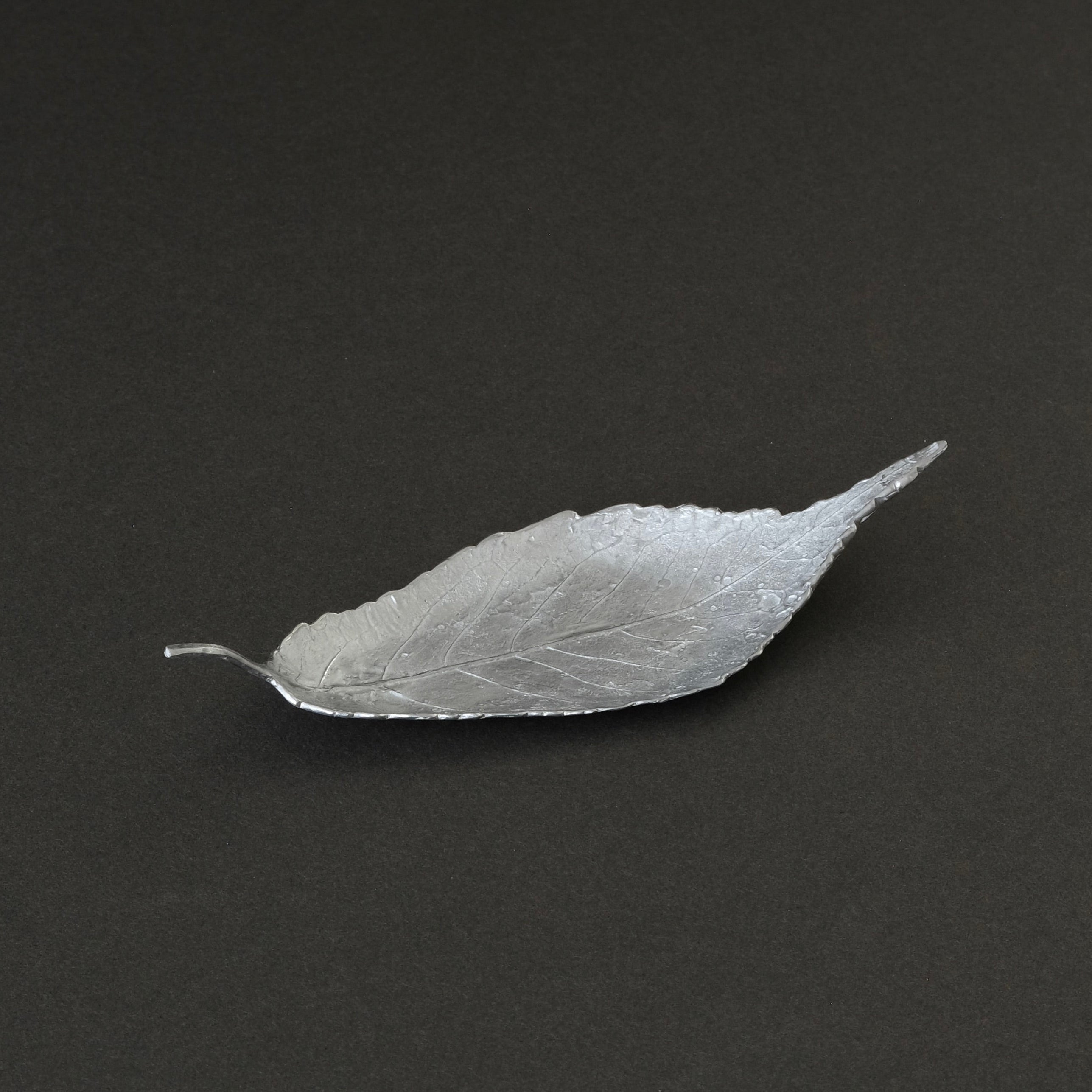
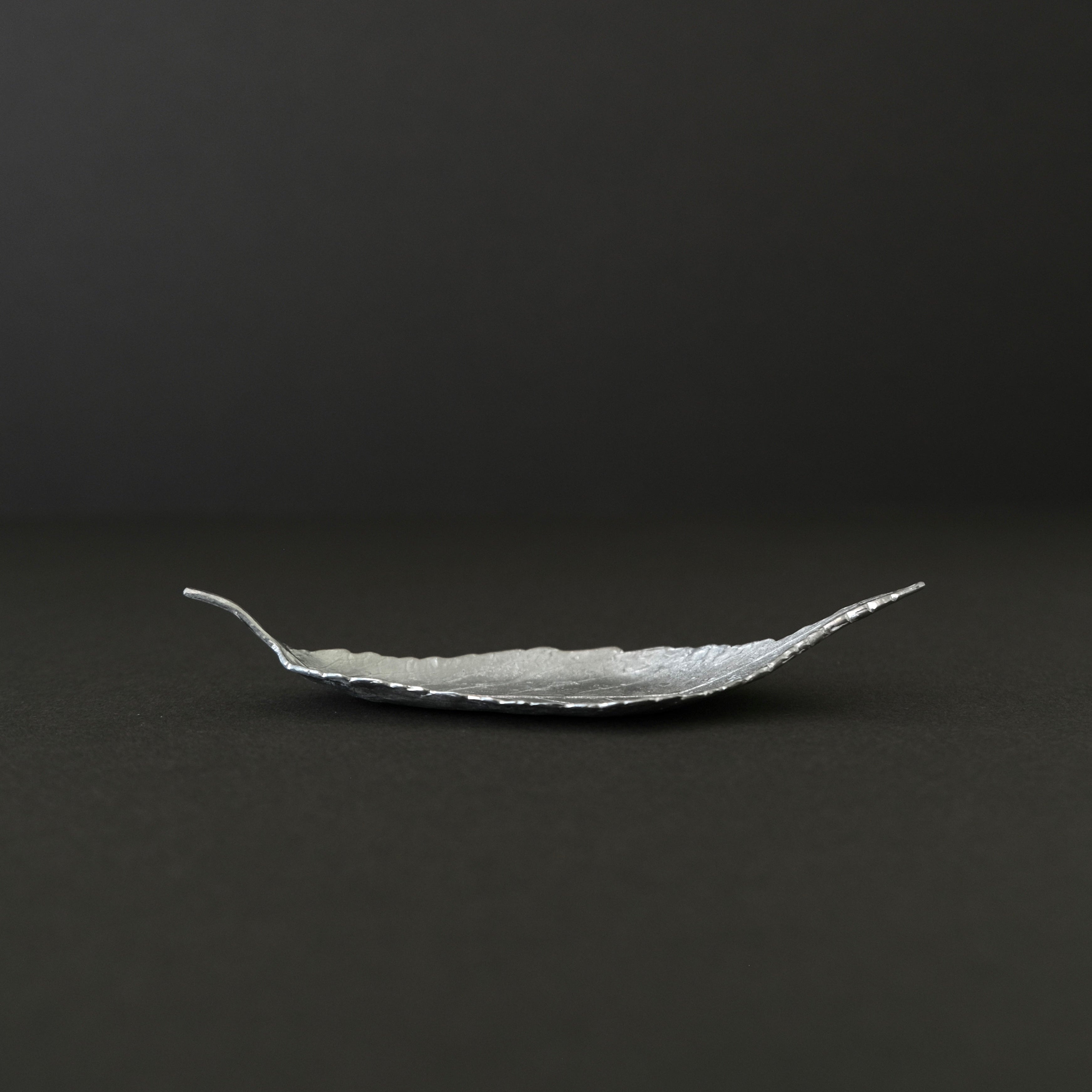
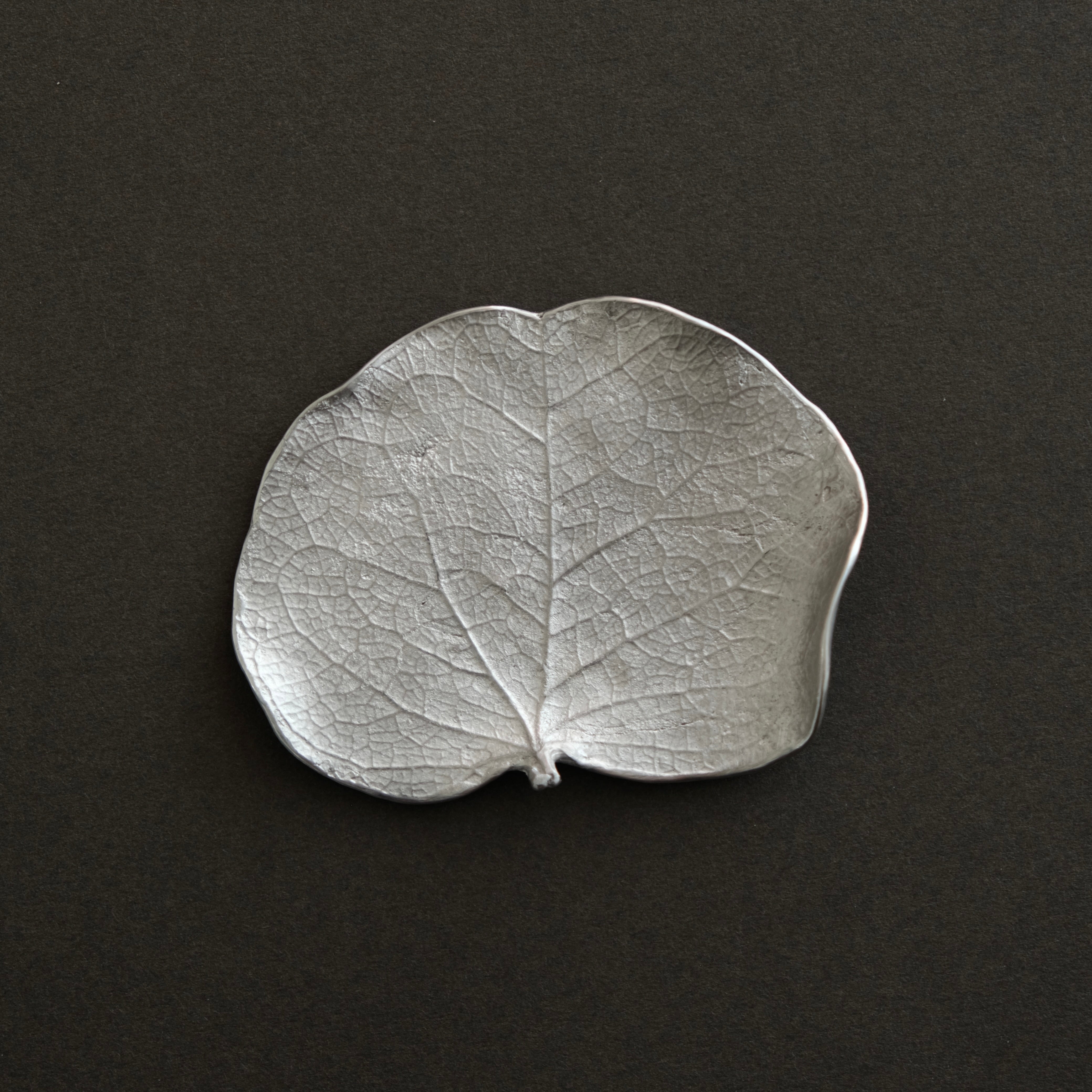
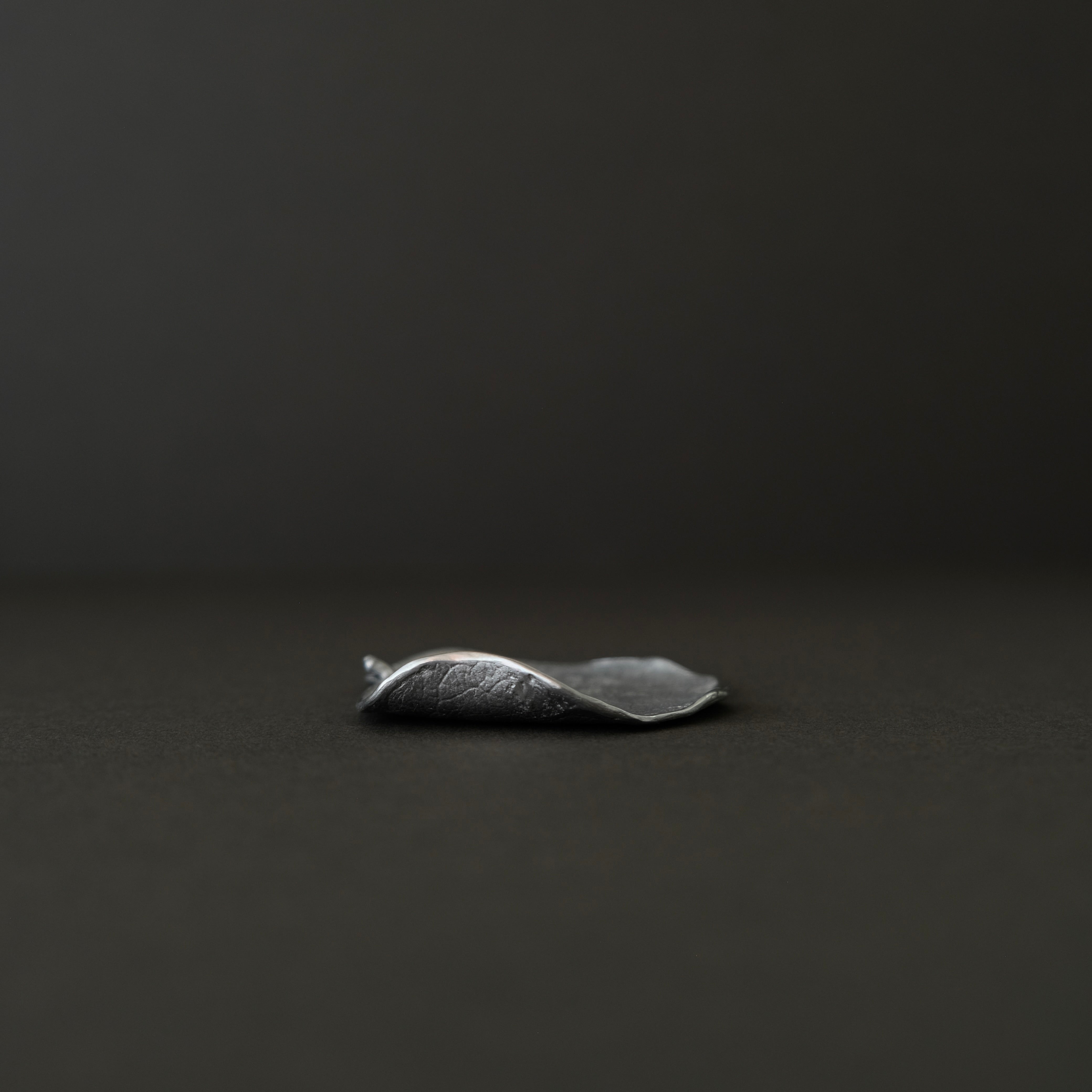
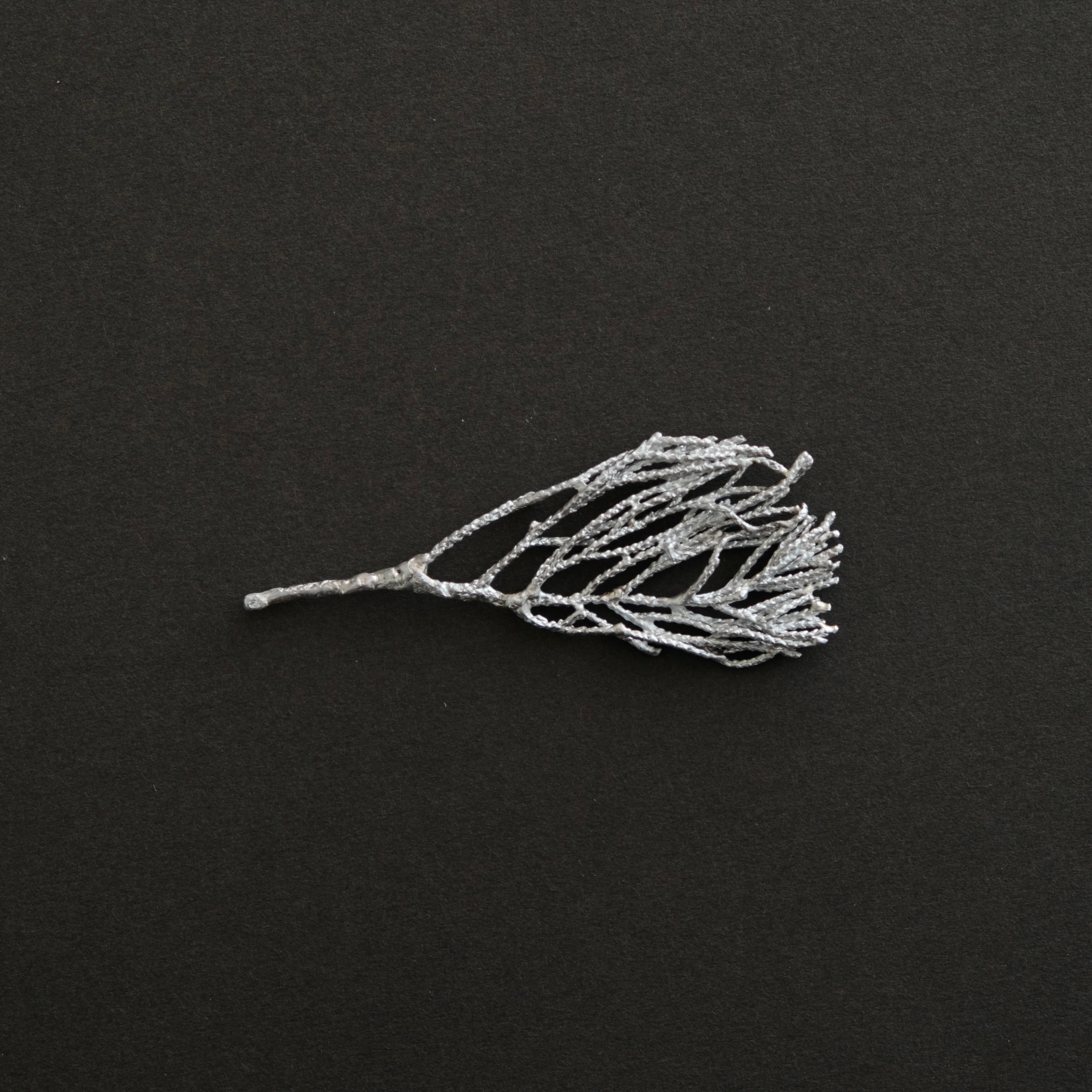
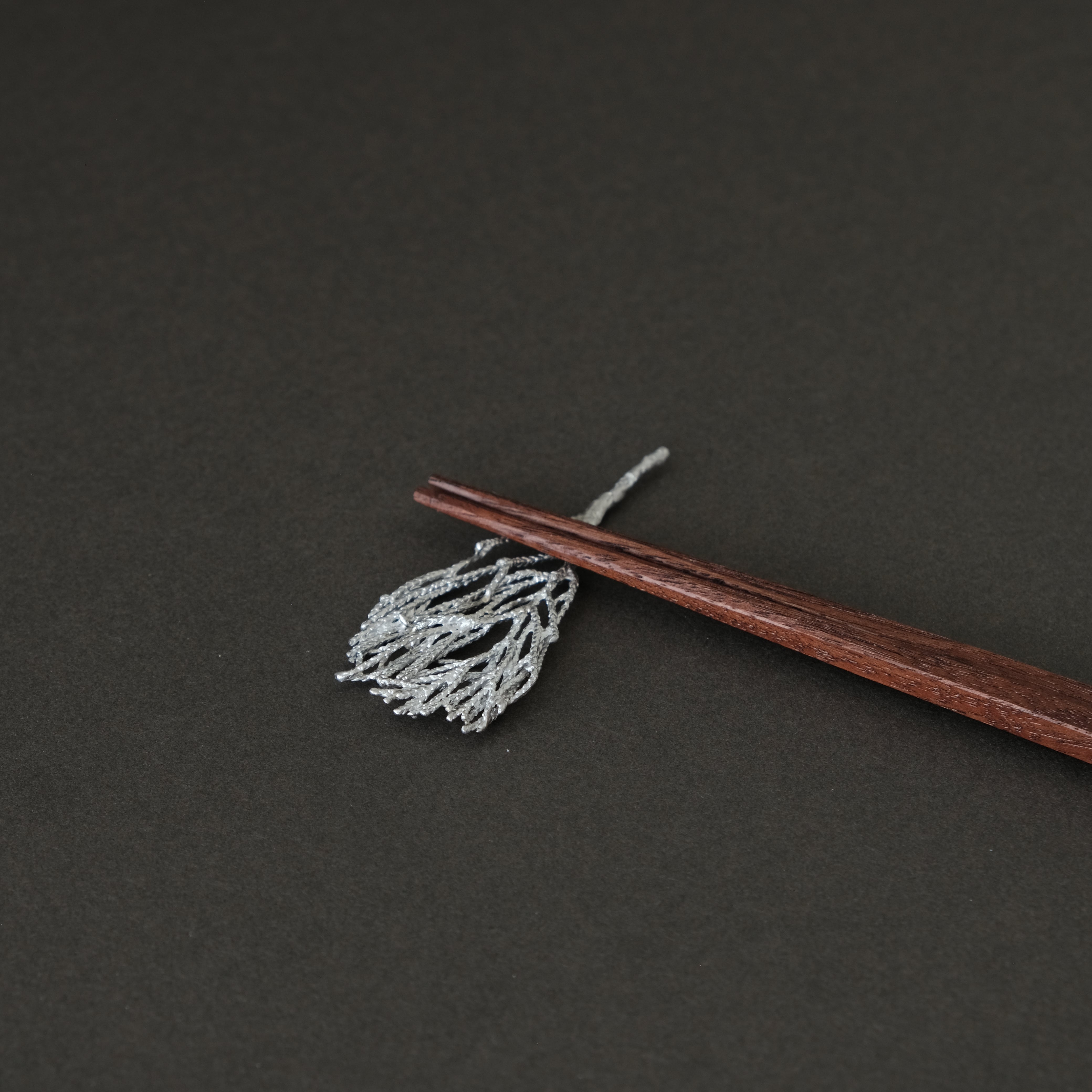
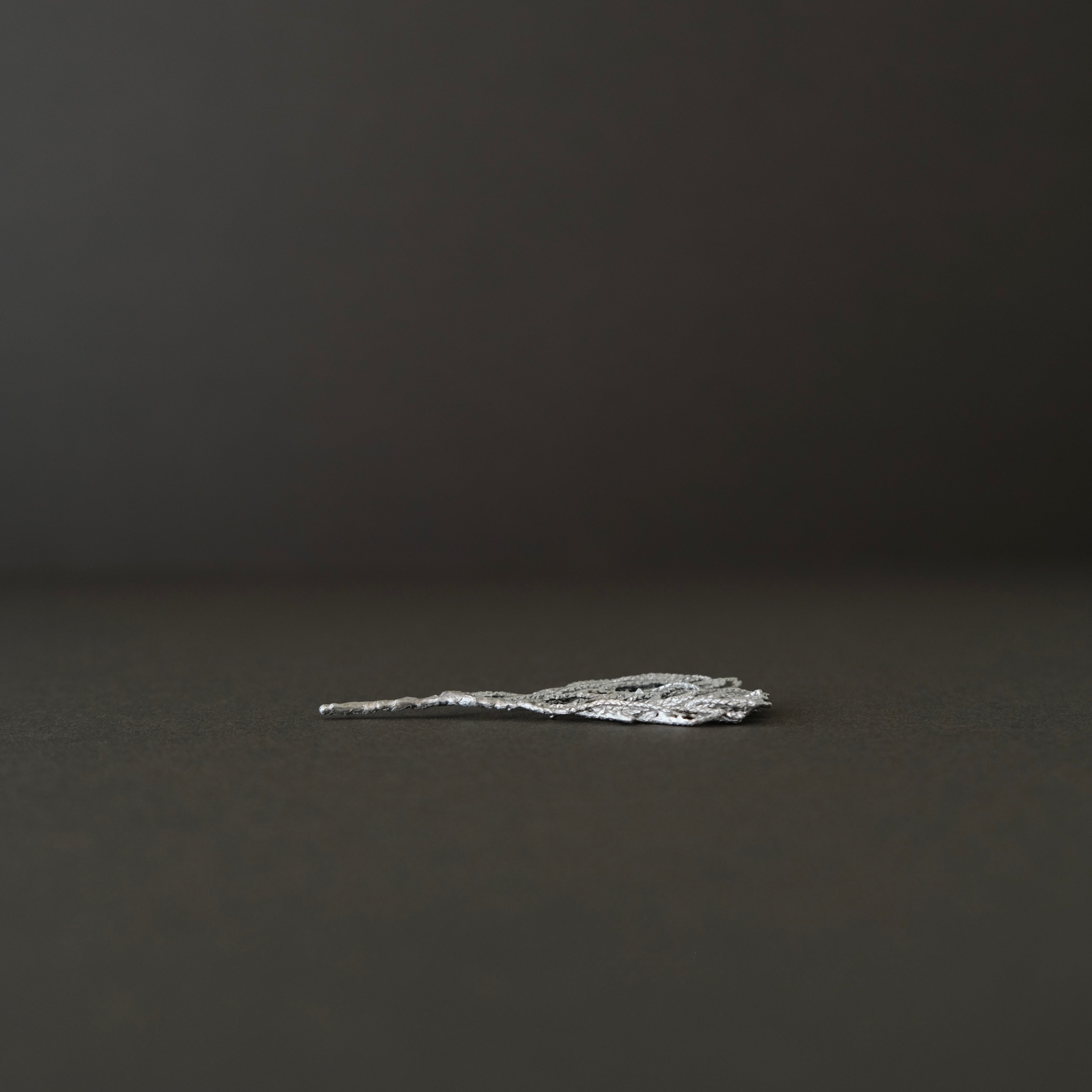
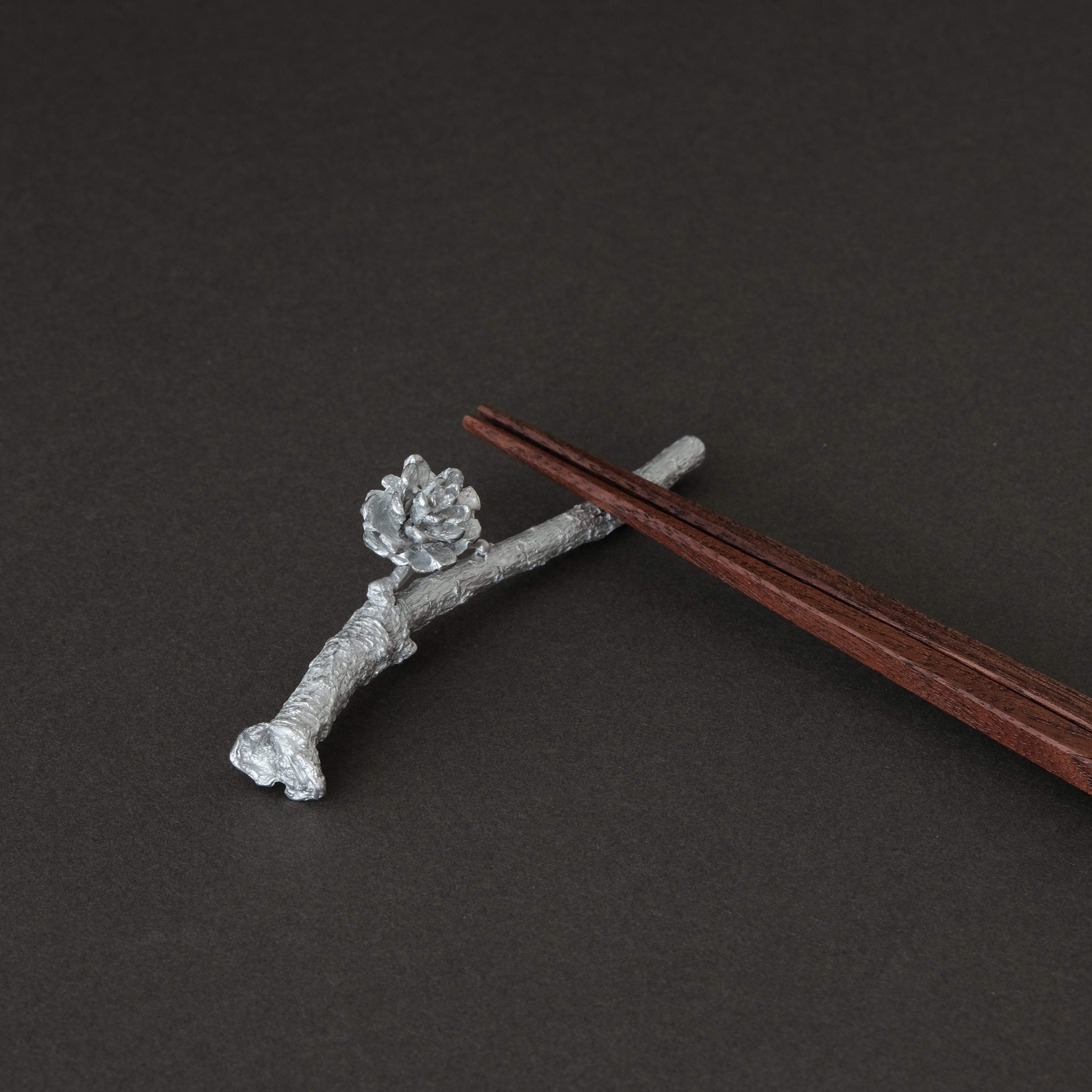
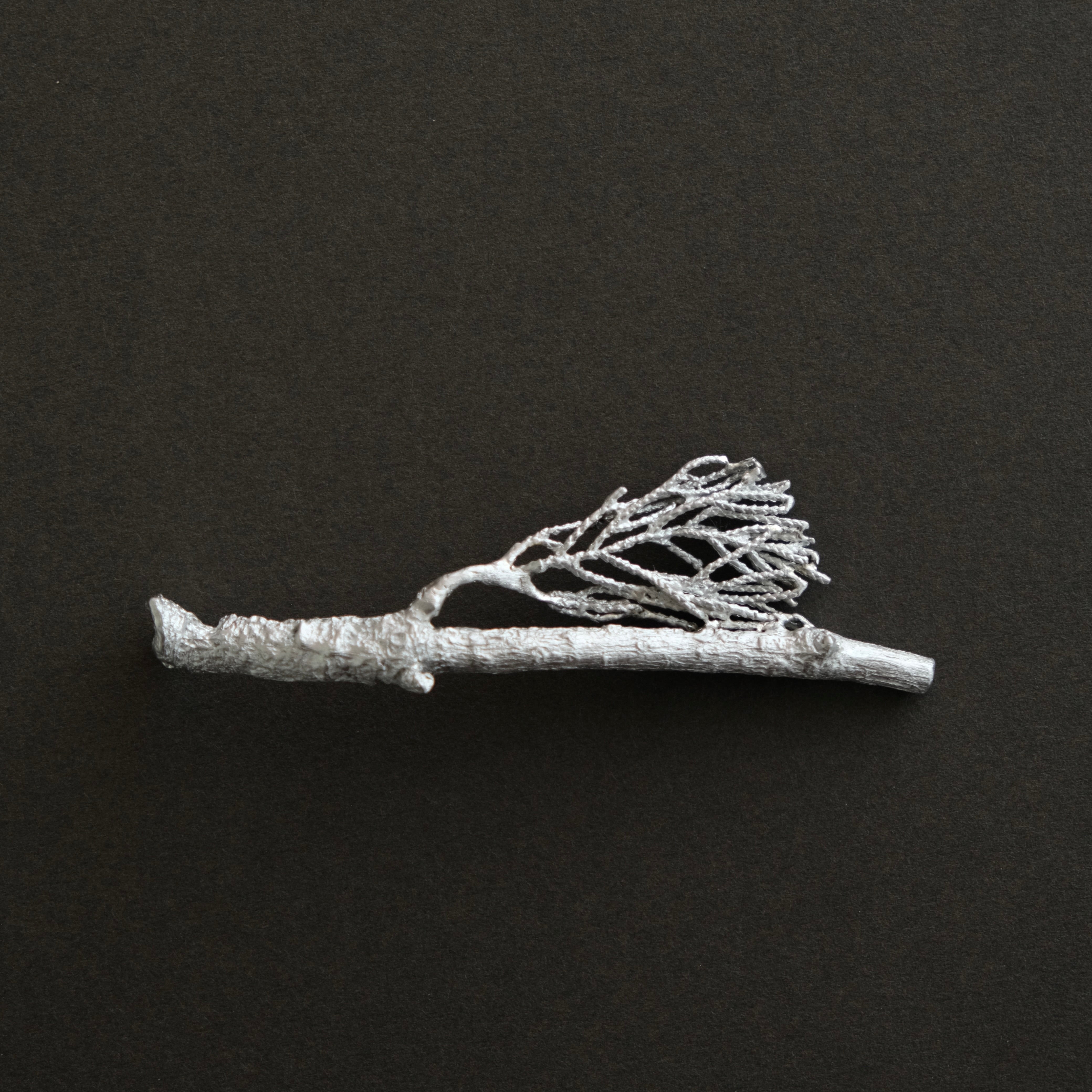
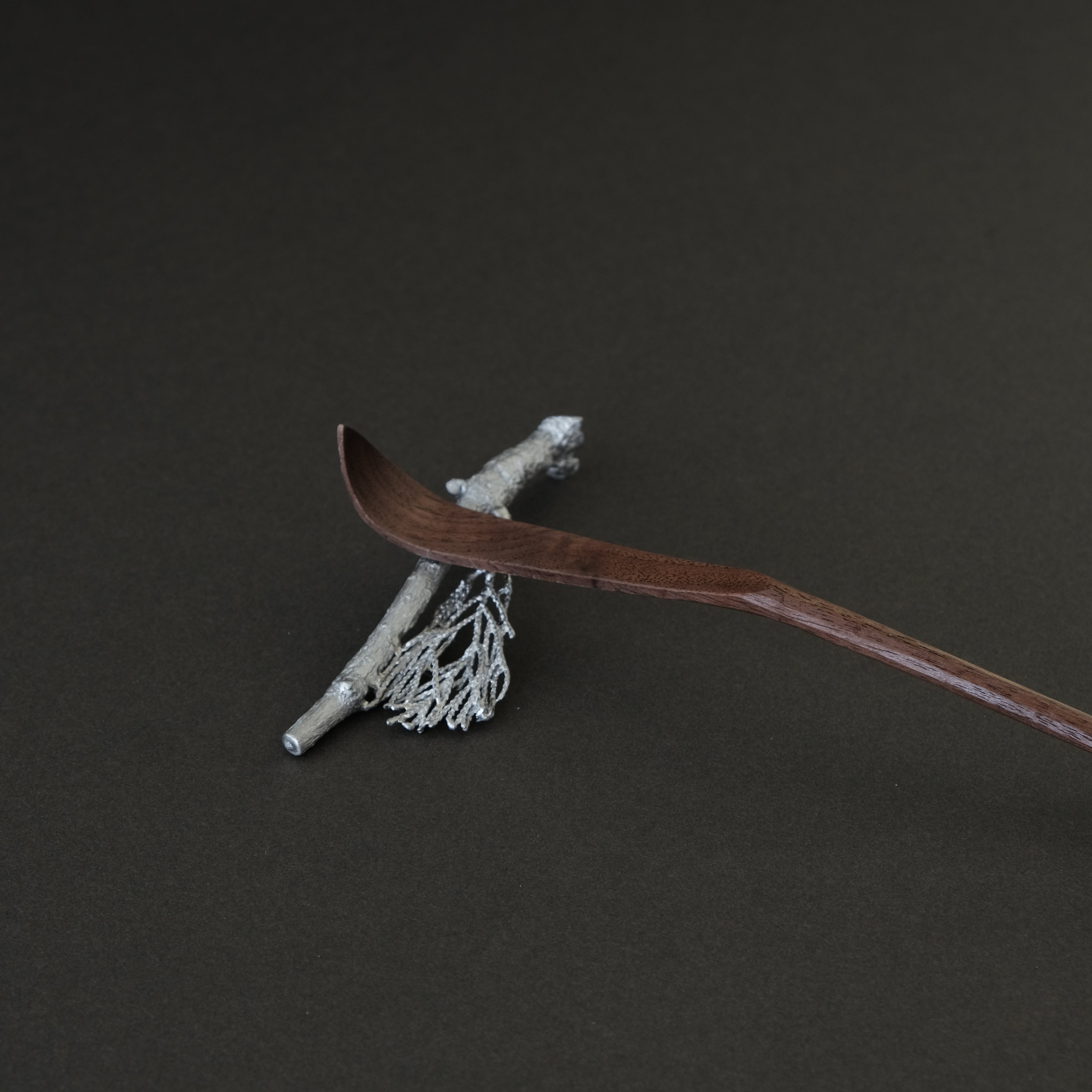
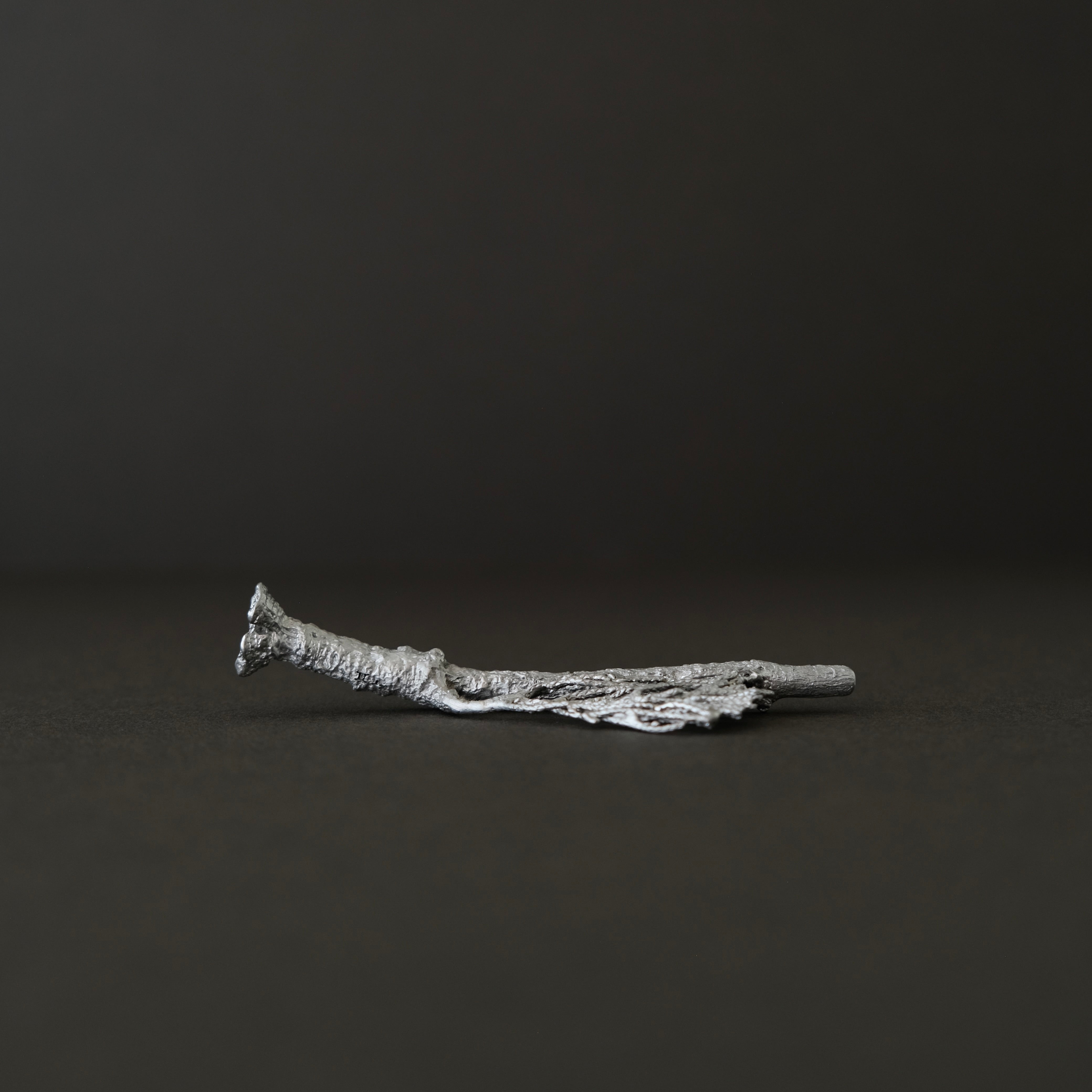
Foh’s practice is less an attempt to replicate nature than an attitude of honoring what it has undergone. Things bent by wind and rain, worn by time, pass through her hands and are clothed in metal. What appears slender and delicate, as if swaying in the wind, holds within it a grounded serenity. Delicacy and resilience coexist within a single form.
This exhibition includes new works inspired by several California native plants that bloom after fire — the so-called fire followers. Seeds that germinate only through exposure to heat. Flowers that rise again from soil enriched by ash. These plants reveal nature’s capacity for renewal and the continuity of life even after destruction.
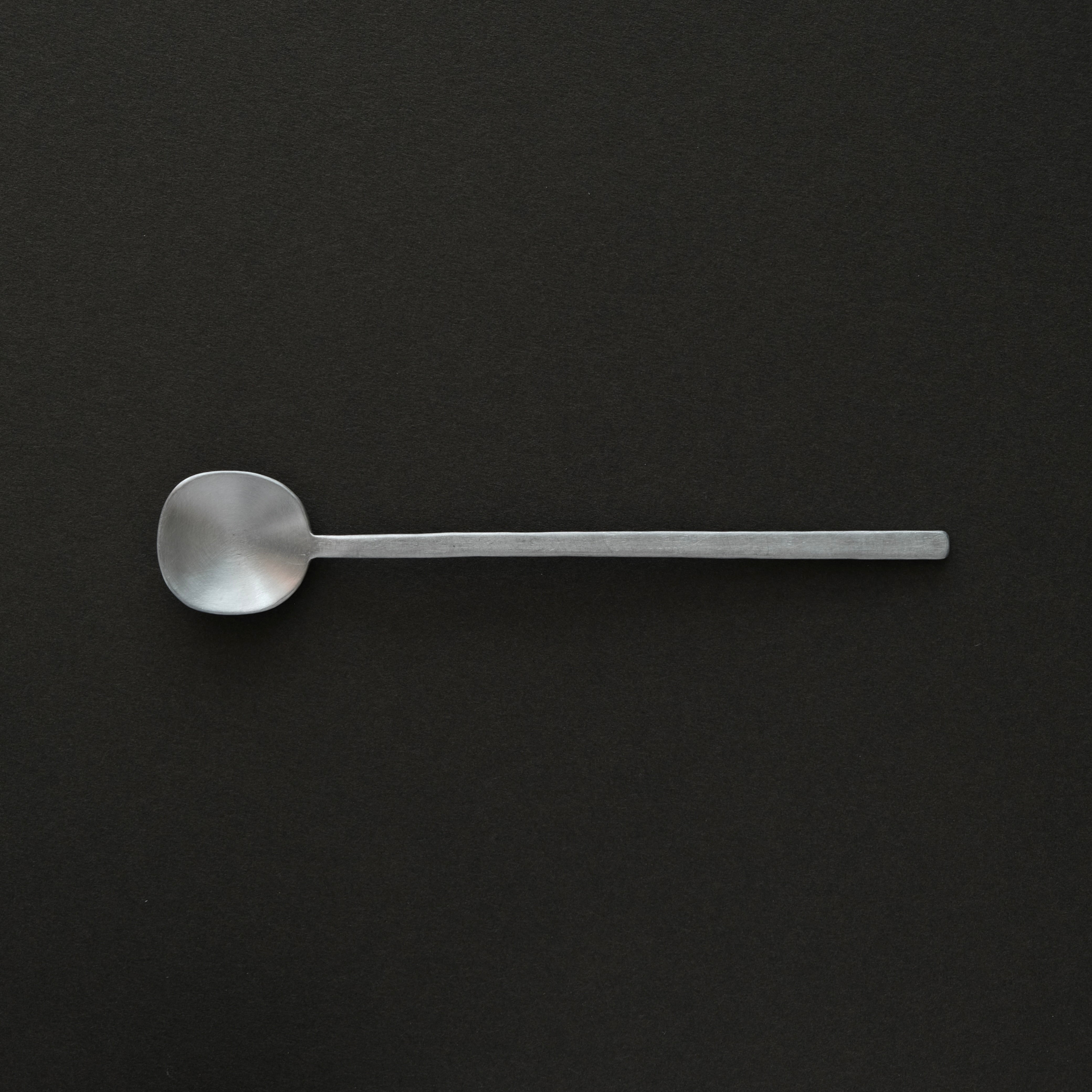
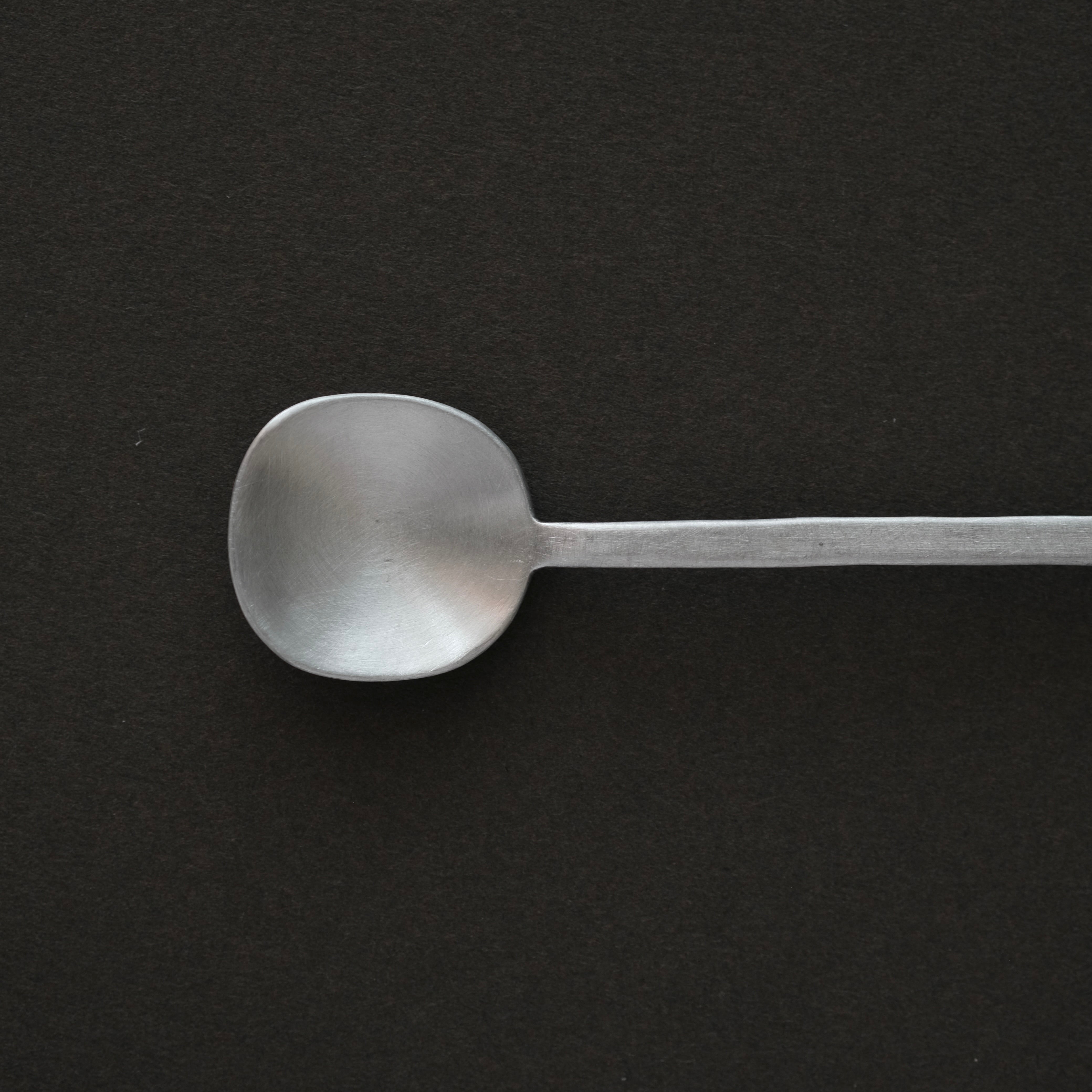
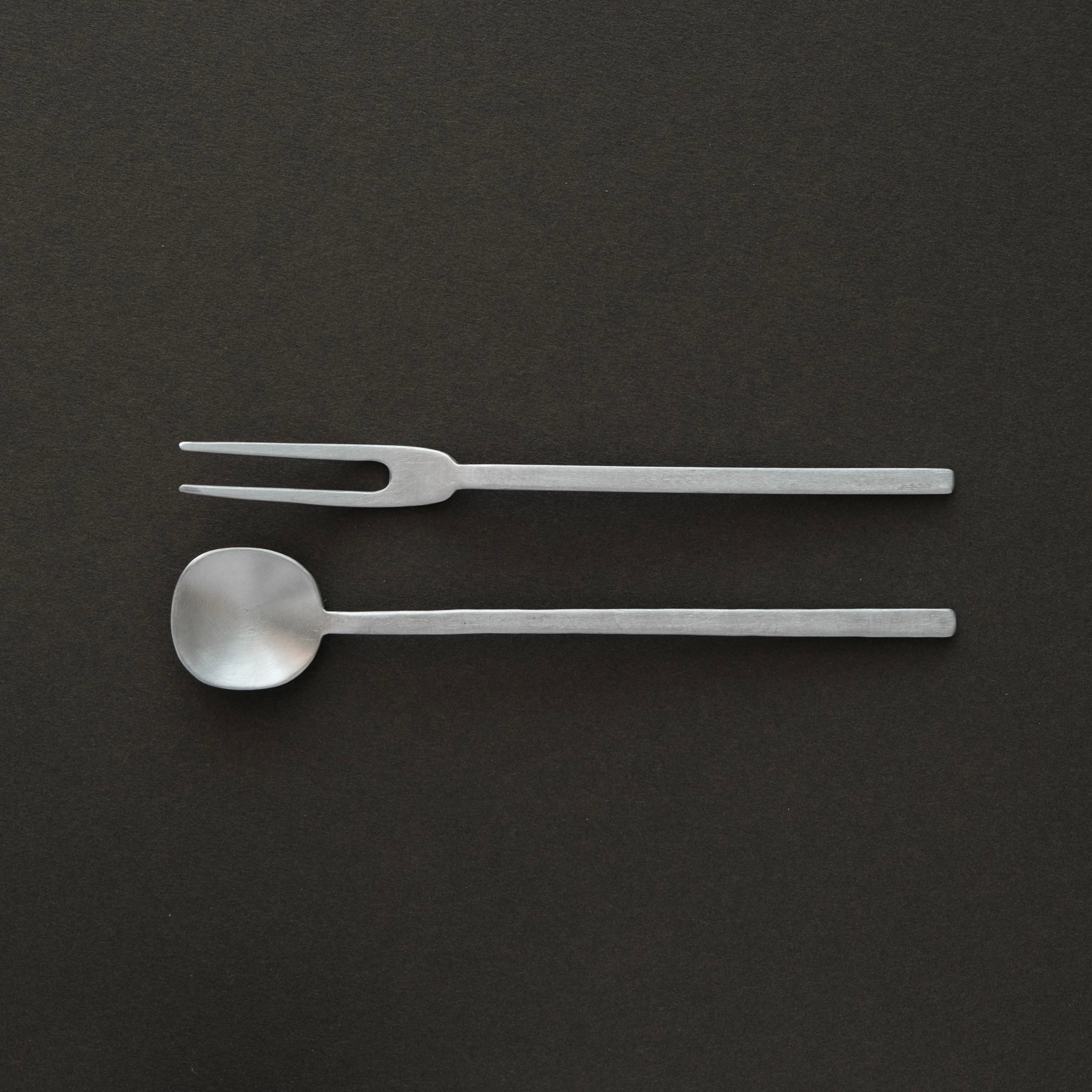
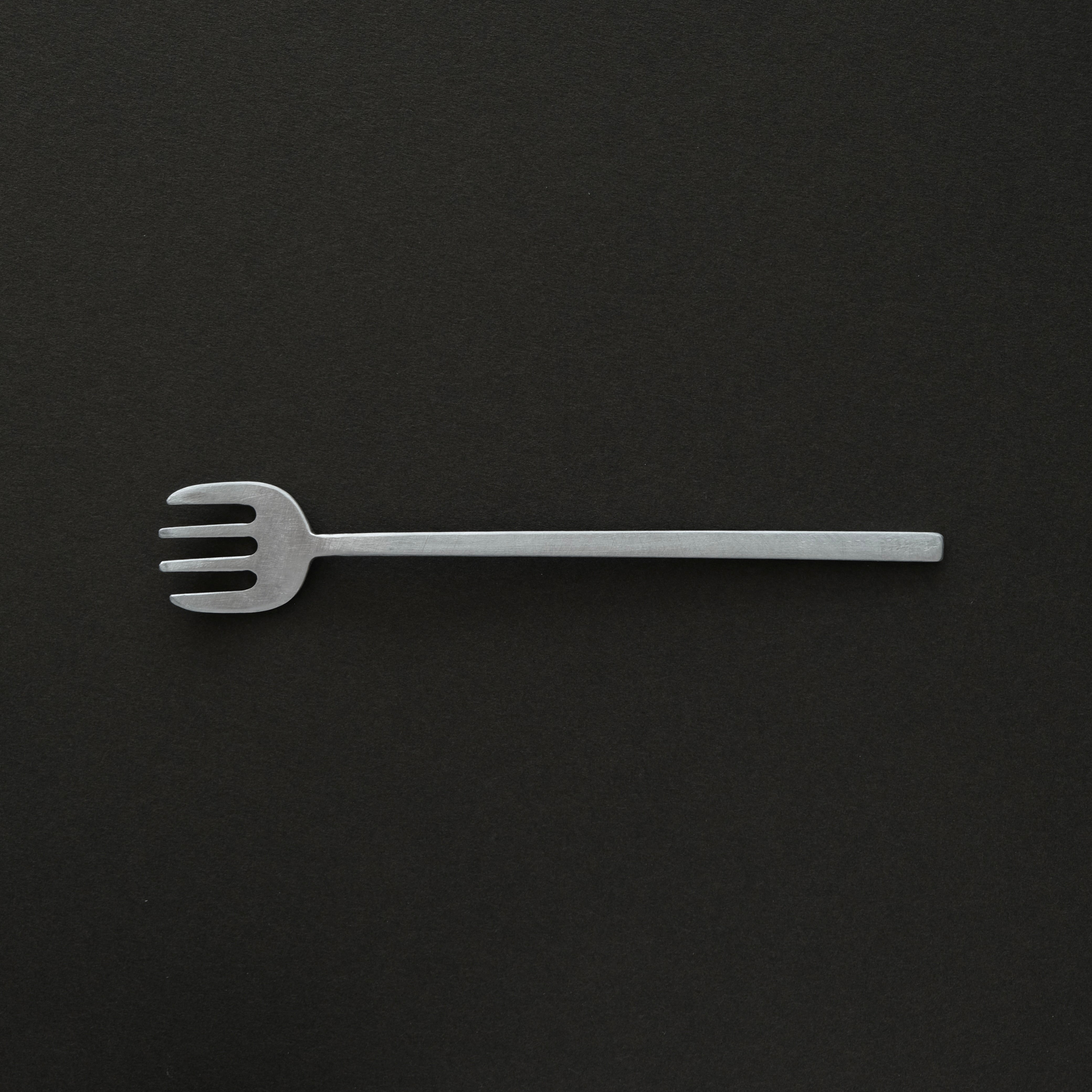
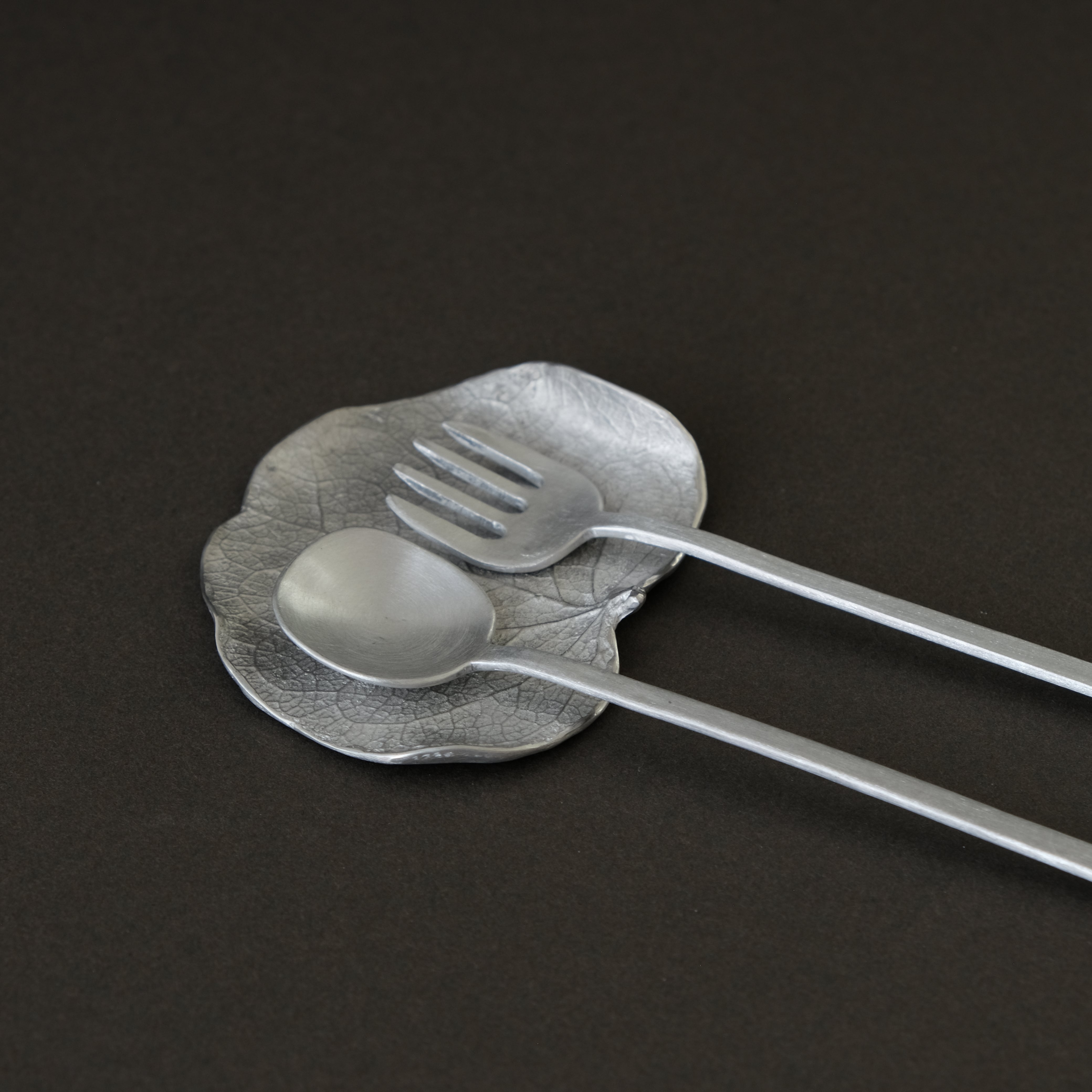
These works began with the hope that they might offer a small measure of comfort to those who have experienced profound loss. Poetry of Metal offers us a moment in which the fleeting becomes enduring. While meant to be used in daily life, her works feel like short poems — spaces where the eyes and the heart may briefly come to rest.
Studio Ko
3107 W 6th St, Los Angeles, CA 90020
Exhibition Dates
April 23 (Thu) — May 16 (Sat)
Hours
Thursday — Saturday | 12:00PM — 4:00PM

Could you briefly introduce yourself?
I work in the forest and learn from nature every day.
What first led you to work with metal?
In university, I studied sculpture and worked primarily with steel, where I learned large-scale welding techniques such as electric welding and oxy-fuel welding.
Later, I became interested in the idea of wearable sculpture. I initially approached metalwork rather lightly, simply wanting to learn the basics. But the intensity and physical demands of working with metal gradually drew me deeper into the process. Before I knew it, I had completely immersed myself in the medium.
What fascinated you most when you first began working seriously with metal?
Its sense of eternity.
Metal is not easy to create, yet it does not easily disappear. Interestingly, freshly cast metal—just after it has been melted and solidified—is surprisingly soft and delicate, almost like fresh grass. It is warm as well. Through the many stages of the process, it gradually becomes stronger.
Transforming fragile forms—like bent grasses in nature—into something enduring through the material of metal feels almost like a kind of alchemy. It is as if the delicate calm that trembles in everyday life becomes strong and steady through the substance of metal.
I remember you once saying your work begins with a morning walk. How does that time influence your practice?
It helps me think about the attitude with which I approach my work. It allows me to find my center. It is also a moment to step away from the world for a while and see what is truly essential and simple.
I believe what distinguishes craft from manufactured objects is emotion and spirit. In quantum physics, there is the idea of empty space between the particles inside atoms. I sometimes wonder if it is this kind of spirit that fills those spaces.
For me, it is important never to stop thinking about what kind of spirit I want to place into an object. It is about shaping an invisible attitude.
There is a small stream and a forest just outside the door of my studio. The moment I step outside, my walk begins. It is a tiny studio, but having a national park as my garden is one reason I find it hard to leave this place.


When you collect objects from nature, do you immediately think, “I want to turn this into a piece”? Or does the form emerge over time?
In truth, I rarely go out with the intention of collecting things. Most of the time I simply encounter them while walking through the forest.
What draws my attention are not things that are perfect or beautiful, but dried leaves following the lines of their veins, forms shaped by insects, and stones or branches with unpredictable shapes. I often find myself quietly admiring them before gently picking them up.
I bring them back and keep them nearby. Each time my gaze returns to them, my feelings deepen, and at some point an idea naturally arises about how they might enter everyday life.
You’ve said that even when you walk the same path every day, the forest always appears different. Why do you think that is?
Because I work in the forest, the seasons approach me in very subtle ways. I sometimes feel that there are not just four seasons, but 365 seasons.
The light changes every day. The temperature of the earth shifts, and even the color of the water is different. Grass emerges, trees grow, and flowers bloom.
At the same time, my own body is different each day, and my mind is never quite the same. When I take a step, it feels as though a different state of mind allows me to notice something new each moment.

Could you describe the process of transforming a natural object you’ve collected into a finished work?
Many people assume that I simply cast natural objects directly or coat them in metal. In reality, more than 50–70% of the work is created through wax carving.
When I study the delicate veins of a leaf through magnifying lenses, carving them slowly in wax, it sometimes feels as though I am reading a kind of map drawn by nature itself.
In this process, my focus is not on perfectly replicating nature. Instead, I try to make choices that feel true to my own sensibility—sometimes delving deeper into a form, and sometimes leaving it intentionally incomplete.
After that, I create the metal form through vacuum casting. I refine it, create molds, and produce wax forms from those molds. These wax pieces are again carefully carved before undergoing another casting process to arrive at the final metal form.
The metal is then filed, polished, and finished by hand.
The most important thing in this process is letting go of the desire for perfection and maintaining a sense of calm.
You mentioned that some molds begin not only from collected natural objects but also from imagination and sketches. Are there parts of this process that are especially difficult or that require long periods of thought?
I repeat the process until the image in my mind aligns with the sensation in my hands. Most of the time, what emerges is different from what I first imagined. But I see that as part of the process. When that happens, I begin again from the start and continue working until the image I had imagined begins to feel present before me. Along the way, there are often unexpected gifts that come from chance.


In your process, some works require making molds many times before reaching their final form. How do you approach that kind of repetition in your process?
If the work progresses naturally, it does not feel difficult. But when doubt appears—when I wonder whether something is right—I stop. I believe there is always a reason for that feeling. I set the work aside for a while and turn to something else. When the energy for that piece returns, I continue again.
Making many molds is simply part of the process. The repetition required for a form to find itself is not a burden, but a necessary density of time.
What I spend the longest time observing is balance: how much tension a slender structure should retain, and where to stop so that the weight of metal does not overwhelm the breath of nature.
Are there moments in your practice when you feel deeply absorbed in the work? What are those moments like for you?
There are moments when I become deeply absorbed in the act of making. At times I find myself so immersed that I lose my sense of time. In those moments, all of my senses seem to gather around the work. When that kind of state flows into the process, it leaves something within the piece itself — a certain sincerity.
Over time, this daily immersion becomes a kind of rhythm, and every piece that emerges from it feels meaningful to me.
I hope that when these small fragments of nature are encountered in everyday life, they may feel like short poems — something that can quietly remain not only before the eyes, but also in the heart.

This exhibition marks your first solo presentation in the United States. What does it mean to you to introduce your work in Los Angeles for the first time?
After the fires in Los Angeles last year, I was deeply moved by the sight of small shoots emerging from the burned soil, and by plants that rooted themselves again and began to bloom — the so-called fire followers.
In my work, I often take broken grasses and fallen branches and give them a kind of enduring life through the strong material of metal, while trying to preserve the vitality of a fleeting moment.
In that sense, I feel that my work resonates with the resilience of this city.
Through the language of metal, I hope to share the quiet strength of fragile life — the strength to take root and bloom again.
You have used the phrase “Poetry of Metal” for many years. Is there a reason you chose this title again for your first exhibition in the United States?
I wanted to introduce myself through the phrase that has long been at the heart of my work — Poetry of Metal.
I hope the pieces can exist both as objects used in daily life and as objects that remain quietly in the heart.
I try to hold the quiet moments I encounter in nature within a strong material, hoping that when someone looks at the work, it may rest in the mind like a short poem.


You have recently experimented with materials such as hanji(Korean mulberry paper). Are there other materials you are curious to explore, and how do you usually choose the materials you work with?
There are several materials I would like to explore — clay, textiles, wood, and even silicone.
Although I primarily work with metal, I do not begin by choosing a material. The idea comes first, and then I look for the material that best expresses it.
As I come to understand a material more deeply, the expression becomes clearer. The process feels less like using a tool and more like having a conversation with the material itself. In that sense, the material becomes something closer to a companion.
Is there something you hope visitors might feel or experience when they encounter your work in this exhibition?
I hope this exhibition can become a moment to slowly release the breath we have been holding.
A moment where, standing before the work, the breath deepens and reaches through the body.
A place where one can pause for a moment and gather oneself again.
Like a tender sprout pushing through burnt soil, like a seed that takes root even in frozen ground, I hope it may become a time to breathe together with the resilient life that surely exists within us all.


Curator's note
January 2025 remains unforgettable to me. As flames spread from the mountains into the neighborhoods of Altadena and Pacific Palisades, the city was covered in dark smoke and ash fell from the sky like snow. The familiar paths and forests we once walked, the hills that carried the quiet shifts of the seasons — along with the spaces where people lived — turned gray in an instant.
Around that time, one sentence from Foh’s interview stayed with me: “To move a fleeting moment of nature into the enduring material of metal.”
Rather than trying to reclaim what cannot be restored, the sentence suggests another way of leaving something behind. When I first encountered Foh’s work, I was struck by a sensation that seemed to contradict the material itself. Metal, which I had always thought of as cold, carried an unexpected warmth. Perhaps it is because the artist’s sensibility has been fully absorbed into this otherwise rigid material.
In the aftermath, many people volunteered and donated in support of rebuilding their communities. During this time, I found myself thinking again about California’s native plants. As I began preparing this exhibition with the artist, I looked more closely at the forms of life that once grew in the landscapes we lost. In that process, I learned about plants that bloom after fire — the so-called fire followers. Seeds that germinate only through heat. Flowers that rise again from soil enriched by ash. The existence of these forms of life, emerging only after devastation, reminded me that even within deep loss, life continues.
Through conversations with the artist, we decided to include new works inspired by several fire followers in this exhibition. The ecological characteristics of these plants — blooming after fire — resonate with Foh’s metal practice, where delicacy and resilience coexist. Rendered in metal, these works evoke the strength to rise again after loss and quietly remind us of the resilience that exists within us.
I hope this exhibition may offer a small measure of comfort to those who have experienced loss — a space to remember what was lost, and perhaps to take a step forward once more.
Flowers bloom even where fire has passed.
May our lives, too, find ways to bloom again — even after hardship.
(KR)
2025년 1월은 내게 잊히지 않는 시간으로 남아 있다. 산에서 시작된 불길이 Altadena와 Pacific Palisades의 주거 지역으로 번져가던 그날들, 도시는 짙은 연기로 뒤덮였고 하늘에서는 재가 눈처럼 내려앉았다. 우리가 함께 걸었던 길과 숲, 계절의 변화를 품고 있던 산들뿐 아니라 사람들이 살아가던 공간까지도 한순간에 잿빛으로 변했다.
그 무렵, 포 작가의 인터뷰 속 한 문장이 오래도록 마음에 남았다.
“자연의 찰나를 금속이라는 오래 남는 물성으로 옮긴다.”
되돌릴 수 없는 것을 되찾으려 하기보다, 다른 방식으로 남겨두는 일. 그 문장은 상실 이후 우리가 취할 수 있는 또 다른 태도를 보여주는 듯했다. 포 작가의 작업을 처음 마주했을 때, 금속이라는 재료가 지닌 차가움과는 다른 감각이 느껴졌다. 차갑게만 여겨졌던 금속이 이토록 따뜻한 온기를 머금을 수 있다는 점이 인상 깊었다. 어쩌면 그것은 작가의 감각이 이 물성에 깊이 스며들어 있기 때문일지도 모른다.
화재 이후 많은 사람들이 자원봉사와 기부를 통해 공동체의 회복을 돕고 있다. 그 시간을 지나며 나는 캘리포니아 자생 식물들에 대해 다시 생각하게 되었다. 작가와 함께 이번 전시를 준비하며, 우리가 잃어버린 풍경 속에 어떤 생명들이 있었는지를 더 깊이 들여다보았다. 그 과정에서 불 이후에 피어나는 식물들, 이른바 fire followers라 불리는 존재들을 알게 되었다. 열에 노출되어야만 발아하는 씨앗, 재가 남긴 토양 위에서 다시 자라는 꽃들. 파괴 이후에야 모습을 드러내는 이 생명들은 깊은 상실 속에서도 삶이 멈추지 않는다는 사실을 상기시켜 주었다.
작가와의 대화를 통해 우리는 몇몇 fire followers를 모티프로 한 신작을 이번 전시에 포함하게 되었다. 불 이후에 피어나는 이 식물들의 생태적 특성은, 여림과 강건함이 공존하는 작가의 금속 작업과 맞닿아 있다. 금속으로 구현된 이 작품들은 상실 이후에도 다시 일어서는 힘을 떠올리게 하며, 우리 내면에 존재하는 강인함을 조용히 상기시킨다.
나는 이 전시가 상실을 겪은 이들에게 작은 위로가 되기를 바란다. 잃은 것을 기억할 수 있는 자리이자, 다시 한 걸음을 내딛을 수 있는 시간이 되기를.
불이 지나간 자리에서도 꽃은 핀다. 그리고 우리의 삶 또한, 어떤 어려움 이후에도 그 꽃들처럼 다시 피어날 수 있기를.